 Save to Pinterest
 My neighbor brought a container of black-eyed pea hummus to a potluck last summer, and I watched it disappear faster than any traditional chickpea version ever could. The moment I tasted it, I understood why—there's something about the earthiness of black-eyed peas combined with creamy tahini that feels both unexpected and somehow familiar. I went home that night determined to recreate it, and after a few batches and some generous taste-testing from friends, this recipe became my go-to when I need something that feels fancy but takes barely any effort.
I made this for a book club gathering where someone mentioned they were tired of the same hummus every single time, and I swear the conversation shifted the moment people tried this. One friend asked for the recipe immediately, then admitted she'd never thought to use black-eyed peas that way before. There's something satisfying about introducing people to a dish that makes them reconsider what they thought they knew.
Ingredients
- Black-eyed peas (2 cups cooked): Canned works perfectly fine and saves you time, but if you're cooking them fresh, their slightly nutty, gentle flavor is worth the extra 20 minutes. Just make sure to drain and rinse them well so the hummus stays light and creamy.
- Tahini (1/3 cup): This is your secret ingredient for that luxurious texture, so don't skip it or substitute with peanut butter no matter how tempting. Good quality tahini makes a real difference in both taste and smoothness.
- Extra virgin olive oil (2 tbsp plus more for drizzling): Use the good stuff here since it's a main flavor player, not an afterthought. The fruitiness of a quality oil elevates the whole dip.
- Fresh lemon juice (2 tbsp): Freshly squeezed is non-negotiable—bottled lemon juice will make it taste flat and one-dimensional. One medium lemon usually gives you what you need.
- Garlic (1 clove, minced): One clove is all you need so the garlic whispers rather than shouts. If you love garlic, go ahead and add another, but taste as you go.
- Ground cumin (1/2 tsp): This warm spice is what makes people ask what's in this, even though they can't quite place it. It connects the black-eyed peas to the tahini in a way that feels intentional.
- Salt (1/2 tsp): Start here and adjust at the end after you've blended everything together and know how it tastes.
- Water (2–4 tbsp): Add this gradually so you don't accidentally make soup when you wanted dip. You're looking for the consistency of thick yogurt.
- Smoked paprika or sumac (1/2 tsp for garnish): Either one adds color and a subtle complexity that makes this feel finished rather than half-hearted.
- Fresh parsley (2 tbsp chopped): The brightness of fresh herbs right at the end transforms this from good to memorable.
Tired of Takeout? 🥡
Get 10 meals you can make faster than delivery arrives. Seriously.
One email. No spam. Unsubscribe anytime.
Instructions
- Gather everything and get your processor ready:
- Having all your ingredients measured and within arm's reach means you won't lose momentum or forget anything halfway through. It's a small habit that makes the whole process feel smooth and intentional.
- Combine the base:
- Add your black-eyed peas, tahini, olive oil, lemon juice, minced garlic, cumin, and salt to the food processor and pulse a few times to break things down. You'll hear it start to whir into something that smells incredible.
- Blend until creamy:
- Let the processor run for a minute or two, stopping to scrape down the sides with a spatula whenever needed. You're aiming for that moment when the texture shifts from chunky to silky, which usually takes less time than you'd expect.
- Adjust the consistency:
- Add water one tablespoon at a time, pulsing between additions, until you reach that perfect dip consistency. If you add too much, you can always stir in a bit more tahini, so go slow here.
- Taste and season:
- This is your moment to be honest about what it needs—another squeeze of lemon, a pinch more salt, or even a whisper of garlic powder if you're feeling it. Trust your palate because it knows better than the recipe.
- Transfer and garnish:
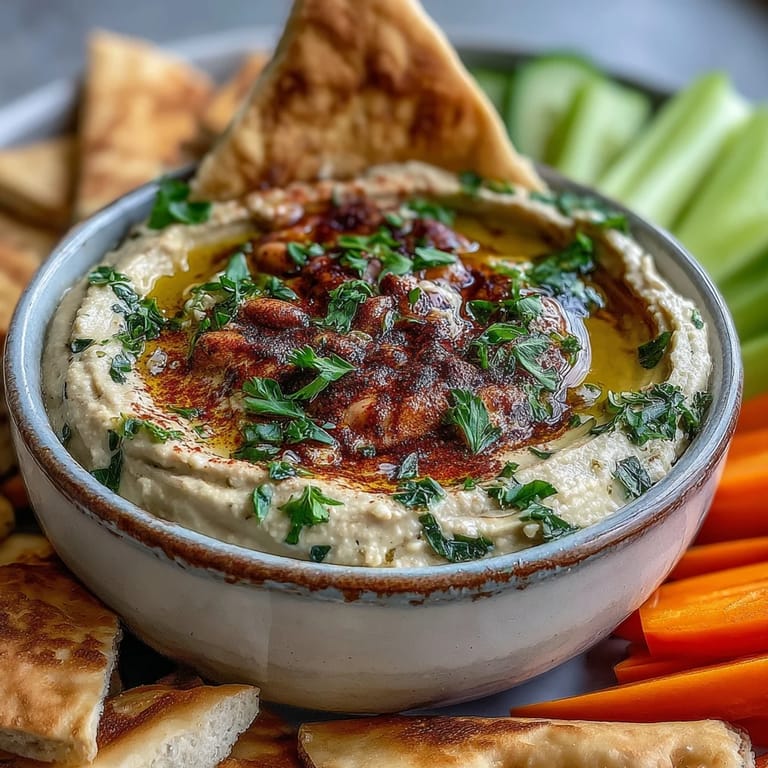
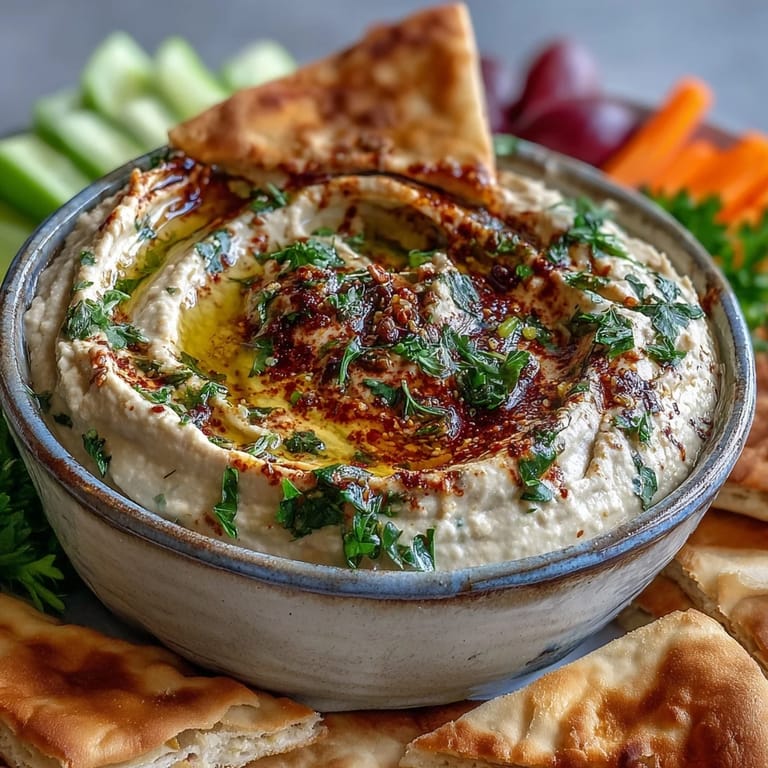
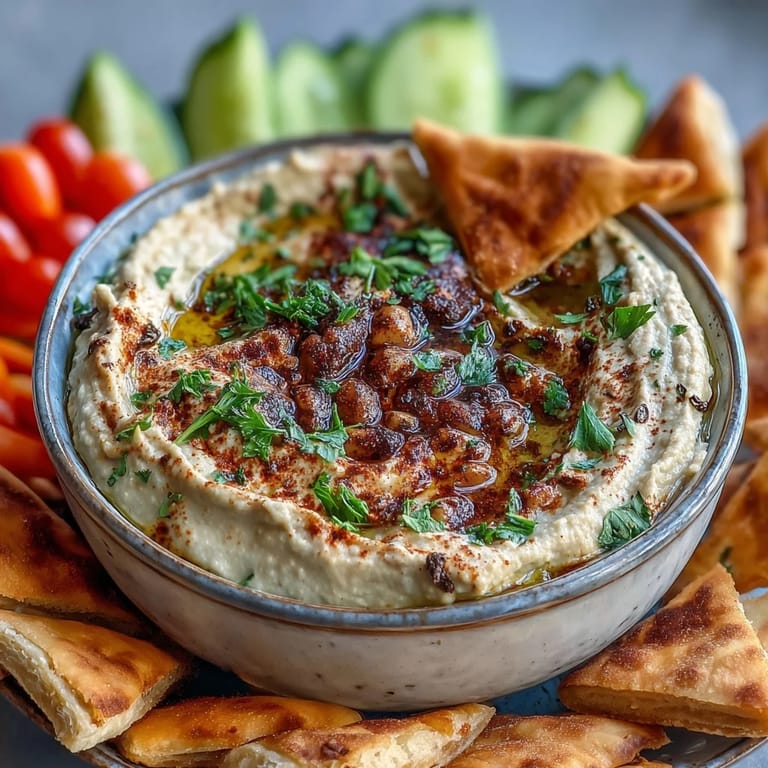
- Spoon the hummus into a serving bowl, make a little well in the center with the back of a spoon, and drizzle with olive oil. Dust with paprika or sumac and scatter the fresh parsley over the top for that final touch of intention.
 Save to Pinterest
 There was a moment during a quiet weeknight when I made this just for myself, spread it thick on toast with some roasted vegetables, and realized I'd been keeping this good thing mostly for entertaining. Now I make it whenever the craving hits, and it's become the thing I reach for when I need something nourishing but also somehow joyful.
Why Black-Eyed Peas Deserve More Credit
Black-eyed peas are one of those humble ingredients that people overlook because they're associated with specific traditions, but honestly, they're just as versatile as chickpeas and they bring an earthiness that's uniquely their own. In hummus form, they let other flavors shine while adding body and richness without heaviness. Once you start using them this way, you'll wonder why more people don't.
Serving Suggestions That Actually Work
I've learned that how you serve this hummus matters almost as much as how you make it, because the right pairing makes people understand the whole picture. Warm pita bread straight from a skillet is perfect, but so is a simple arrangement of cucumber, bell pepper, and cherry tomatoes arranged on a board with crackers or flatbread on the side. The texture contrast between the creamy dip and something crisp or chewy is where the magic happens.
Storage and Make-Ahead Magic
This hummus actually improves after sitting overnight because the flavors get to know each other better, so making it the day before an event takes pressure off your day-of timeline. Keep it in an airtight container in the fridge where it'll stay fresh and ready for up to four days, though honestly it rarely lasts that long in my house.
- If you're packing this for lunch, press a piece of parchment paper right onto the surface of the hummus before sealing the lid to keep it from oxidizing and turning gray on top.
- Bring it to room temperature for about 20 minutes before serving if it's been refrigerated, because cold hummus tastes muted compared to how it's meant to taste.
- Keep a small bottle of good olive oil and extra paprika at the table so guests can add more if they'd like, which always makes people feel like they're customizing their own experience.
 Save to Pinterest
 What I love most about this recipe is how it invites you to make it your own while still tasting like itself. Whether you're serving it at a gathering or just keeping it on hand for snacking, it's the kind of thing that quietly becomes a favorite.
Common Recipe Questions
- → Can I use canned black-eyed peas?
Yes, canned black-eyed peas work perfectly. Simply drain and rinse them thoroughly before blending. One 15-ounce can equals approximately 2 cups of cooked peas.
- → How long does this keep in the refrigerator?
Store in an airtight container in the refrigerator for up to 4 days. The flavors often develop and improve after a day or two.
- → What makes this different from traditional hummus?
The main difference is using black-eyed peas instead of chickpeas. Black-eyed peas have a slightly sweeter, earthier flavor and creamier texture when blended.
- → Can I make this without tahini?
You can substitute with extra olive oil or a small amount of Greek yogurt, though the flavor profile will change. Tahini provides essential creaminess and nutty richness.
- → Is this freezer-friendly?
Yes, freeze in portions for up to 3 months. Thaw in the refrigerator overnight and stir well before serving, adding a splash of lemon juice to refresh flavors.
- → What can I serve with this?
Fresh vegetables like carrots, cucumber, and bell peppers pair beautifully. Also excellent with pita bread, crackers, or as a spread on wraps and sandwiches.