 Save to Pinterest
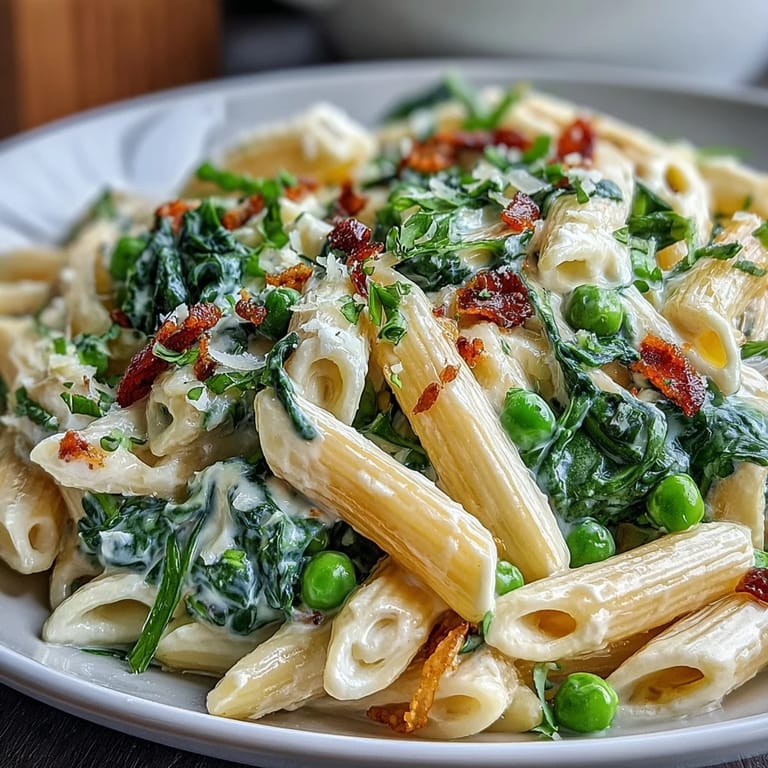
 The sound of pasta hissing in a hot pan will always wake up my appetite, but nothing prepared me for how lively this dish would taste the first time I made it. I remember zesting the lemon, its bright aroma instantly lifting the mood in my tiny apartment kitchen. Who knew that a handful of peas and spinach could look so much like summer itself when folded into creamy ricotta? There&aposs something uniquely satisfying about watching everything come together in one pot, especially when you&apose in a hurry and want dinner to feel special. This Easy Lemon Ricotta Pasta quickly became my antidote to grey days and grocery gloom alike.
On a Tuesday when my fridge looked bare, I pulled this together just as my roommate came home ranting about meetings. I handed her a bowl straight from the pot, and within a minute she was sighing with contentment, all office drama forgotten. She&aposs since demanded I show her the trick, and now it&aposs her go-to when hosting friends last minute. Watching someone&aposs face change as they taste something so simple—that&aposs the real magic of this pasta. It&aposs been a dinner table peace offering more than once in my house.
Ingredients
- Short pasta (penne, fusilli, or similar): Go for sturdy shapes that soak up sauce and cook evenly with everything else—fusilli is my favorite for the way it twists every creamy bit into its grooves.
- Ricotta cheese: Buy whole-milk ricotta if you can: it gives the sauce its rich, fluffy bounce and won&apost split when heated gently.
- Grated Parmesan cheese: Adds savory depth—don&apost skip it, but feel free to add a little extra if you crave bolder flavor.
- Whole milk: Loosens the sauce so it hugs the pasta; don&apost use skim unless you rate blandness highly.
- Green peas (frozen or fresh): A burst of sweetness and color that lightens every forkful—just toss them in frozen, no need for fuss.
- Fresh spinach: This wilts to nothing and brings an earthy, green note; use lots, you won&apost regret it.
- Garlic: Mince it yourself for a punchier aroma and creamy background note—don&apost let it brown, or it&aposll go bitter.
- Lemon (zest and juice): This is the ingredient that gives the dish its sparkle; zest first, juice second, and always do it fresh.
- Olive oil: A flavorful foundation for your garlic—go for extra-virgin if you love bigger flavor.
- Salt and freshly ground black pepper: Don&apost hold back—cheese and lemon need enough seasoning to sing together.
- Optional garnishes (lemon zest, basil, or parsley): These bring restaurant beauty and freshness to the finish line.
Tired of Takeout? 🥡
Get 10 meals you can make faster than delivery arrives. Seriously.
One email. No spam. Unsubscribe anytime.
Instructions
- Sizzle the base:
- Heat olive oil in your biggest deep skillet or Dutch oven, then tumble in the minced garlic until it smells irresistible—about a minute, no more.
- Gather the crowd:
- Add pasta, peas, and a shower of salt; pour in just enough water to submerge the pasta, and bring it all to a cheerful boil.
- Simmer and stir:
- Let the pasta bubble away uncovered, stirring every couple of minutes so nothing sticks or clumps, until it's almost tender and the water&aposs mostly soaked up—about 10–12 minutes.
- Greens in, steam up:
- Toss in your fresh spinach and watch it tumble and wilt into tender ribbons, swirling green into the pasta in just a couple of minutes.
- Creamy finish:
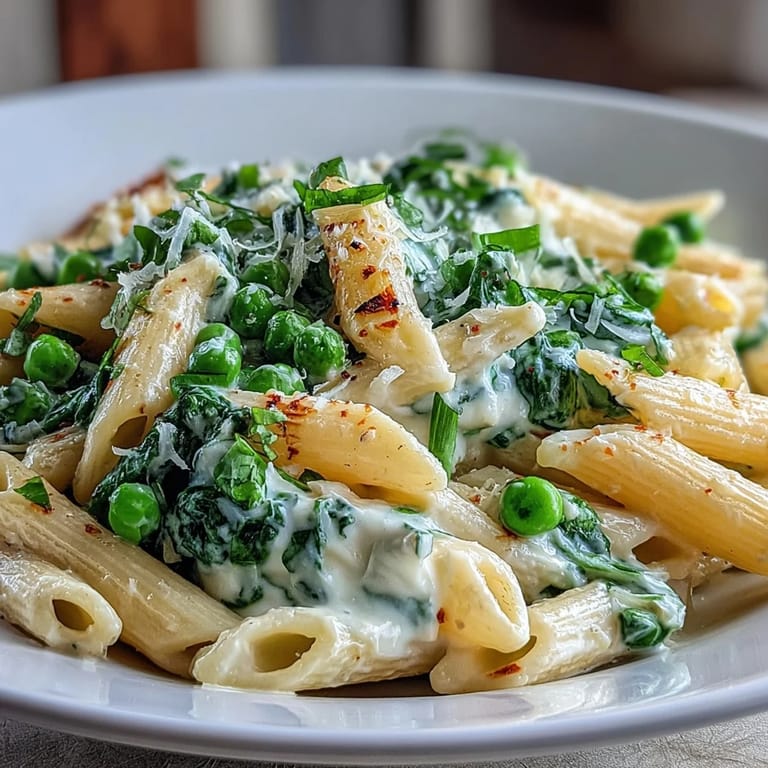
- Lower the heat, then spoon in ricotta, Parmesan, milk, lemon zest, and juice. Stir gently until a glossy, fragrant sauce coats every piece—taste often and don&apost be shy with pepper.
- Serve and sparkle:
- Divide into bowls, scatter more zest and fresh herbs over the top, and serve right away while it&aposs steaming and luscious.
 Save to Pinterest
  Save to Pinterest
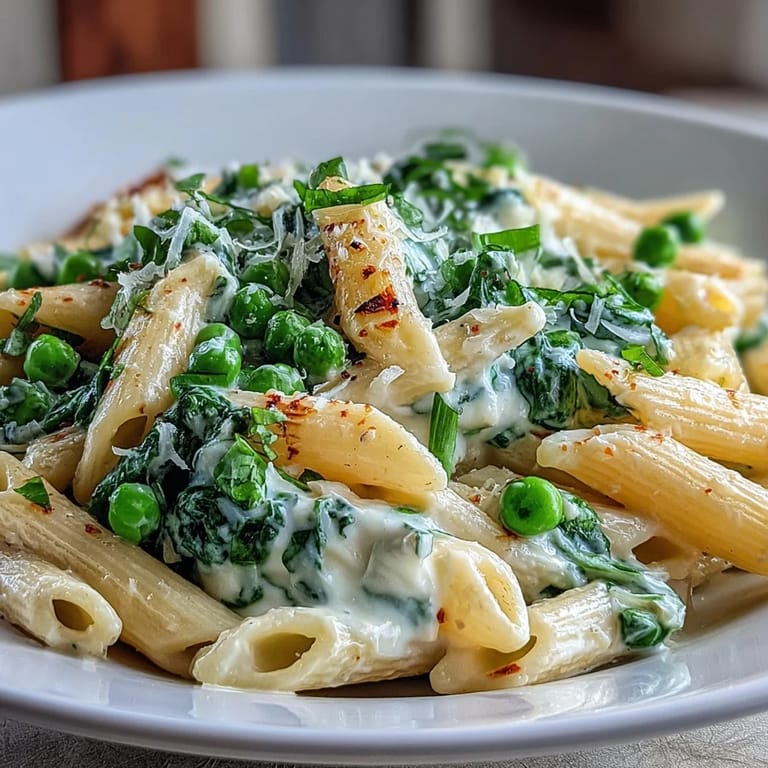
 One dinner, we didn&apost even bother setting the table—we ate this straight out of the cooking pot with borrowed forks, squeezed onto the floor of my friend&aposs new, half-furnished apartment. The laughter bounced off bare walls, and every zesty, creamy bite convinced us we didn&apost need chairs to enjoy real comfort food together.
Choosing Pasta for One-Pot Creaminess
Through trial and error, I found that chunkier shapes like penne or fusilli really make the most of the sauce. The little pockets and twists hold onto the lemony ricotta better, so each bite tastes full and bright instead of watery. Smaller or delicate shapes can overcook or turn mushy in one-pot recipes. The right pasta brings out the best in every ingredient, so don&apost be afraid to experiment with what you have on hand. Just monitor it a bit closer if you use something different.
Lemon: Zest First, Squeeze Later
No amount of bottled juice can match the aromatic pop of fresh lemon zest. I learned (the hard way, after wrestling with a slippery lemon) that it&aposs much easier to zest before juicing, so lay out your grater and get that sunshiny fragrance going ahead of time. Even a little more zest scattered on top at the end boosts the flavor and visual appeal. One time I forgot this and only remembered as I was about to serve—the quick extra sprinkle saved the dish. Sometimes tiny prep details make all the difference.
Make It Your Own, Every Time
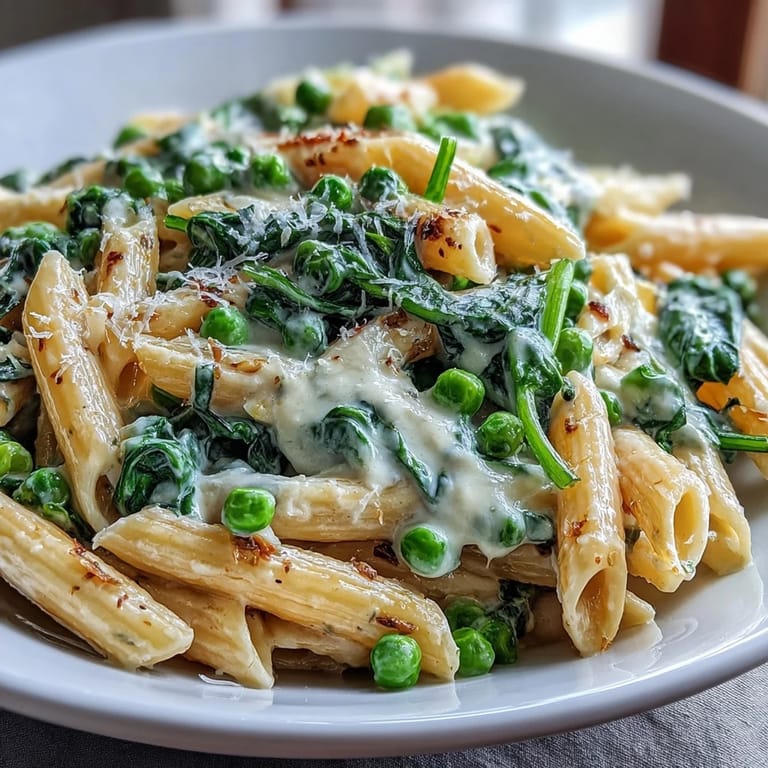
This recipe is endlessly customizable and forgiving—there&aposs no need to panic if you&apove run out of spinach or want a little heat. Swap arugula or kale for a peppery twist, or add toasted nuts for crunchy contrast. Leftover roasted veggies, a handful of capers, or a pinch of chili flakes will take it in a new direction every time.
- Add a splash more milk if it starts to thicken too much as it rests.
- Leftovers reheat best with a quick splash of water and microwave cover.
- Always check your seasoning before serving—lemon and cheese love a little extra salt and pepper.
 Save to Pinterest
  Save to Pinterest
 If you ever need a meal that tastes both special and effortless, this one-pot lemon ricotta pasta is the way to go. Here&aposs hoping you have friends to share it with and plenty of extra lemon zest on hand.
Common Recipe Questions
- → Can I use fresh peas instead of frozen?
Yes. Fresh peas work well—add them a few minutes earlier than frozen so they cook through. If very young and tender, add them with the spinach to avoid overcooking.
- → How do I prevent a watery sauce?
Cook until most of the cooking water is absorbed so the starchy liquid helps bind the cheese. Stir cheeses off the heat and use less milk if you prefer a thicker coating. Reserve a tablespoon of pasta water to adjust consistency.
- → What pasta shapes work best?
Short shapes with nooks hold the creamy sauce—penne, fusilli, rigatoni or orecchiette are ideal. Smaller shapes like shells also trap peas and bits of cheese nicely.
- → How can I make this gluten-free?
Substitute a gluten-free short pasta and check all labels for cross-contamination. Cooking times may vary, so watch for al dente texture and drain slightly less to retain binding starch.
- → Any tips for a vegan version?
Use plant-based ricotta or blended silken tofu with a splash of olive oil, nutritional yeast for savory depth, and a non-dairy milk. Swap Parmesan for a vegan alternative or toasted nuts for nuttiness.
- → How should leftovers be stored and reheated?
Refrigerate in an airtight container for up to 2–3 days. Reheat gently on the stove with a splash of milk or water to loosen the sauce, stirring until warmed through.