 Save to Pinterest
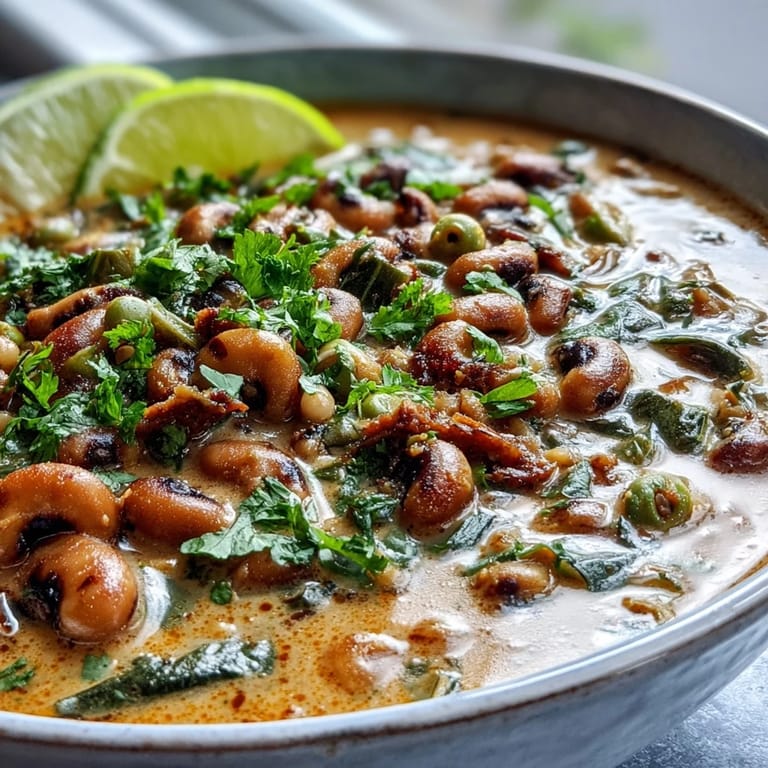
 My friend Priya texted me one Tuesday asking if I could make something warm and filling for dinner, and honestly, I was standing in my kitchen staring at a half-empty pantry when inspiration hit. I found a can of black-eyed peas buried in the back, grabbed some coconut milk, and decided to build a curry around them instead of the usual chickpeas. The smell that filled my apartment while it simmered was so unexpectedly comforting that I ended up making it three times that month.
I made this for a potluck once and watched someone take a second bowl without asking, which is basically the highest compliment in my experience. The vegan angle meant it worked for everyone at the table, and nobody felt like they were eating the sad vegetarian option. That's when I realized this curry isn't a compromise dish at all, it's just genuinely delicious.
Ingredients
- Black-eyed peas: Two cups cooked or canned (drained well) give you that protein base that actually fills you up, and they're way more forgiving than beans that turn mushy.
- Coconut oil: One tablespoon creates the base for blooming your spices so they release all their personality into the curry.
- Onion: One large one, finely chopped, becomes almost invisible but adds sweetness and body to the sauce as it cooks down.
- Garlic and ginger: Three cloves minced plus one tablespoon grated creates that aromatic warmth that makes people ask what smells so good.
- Ground cumin: One teaspoon adds earthiness without overpowering, the backbone of the spice blend.
- Ground coriander: One teaspoon brings a subtle citrusy note that brightens everything.
- Ground turmeric: One teaspoon gives color and that warm, slightly bitter flavor that makes curry taste like curry.
- Chili powder: Half a teaspoon can be adjusted up or down depending on how much heat you actually want versus what you think you want.
- Black pepper: Half a teaspoon rounded out, because curry spices need that finishing touch.
- Garam masala: One teaspoon stirred in at the very end so it stays bright and doesn't cook away.
- Mustard seeds: Optional but worth it if you have them, they pop and sizzle and announce that something special is happening.
- Coconut milk: One can (14 oz) creates that creamy richness without dairy, and yes the full fat version is worth it.
- Vegetable broth or water: Half a cup thins the sauce to a simmer-able consistency instead of a thick paste.
- Diced tomatoes: One can (14 oz) breaks down into the sauce and adds slight acidity to balance all those warm spices.
- Green chilies: One or two, chopped, optional but they add a fresh kick that canned tomatoes can't deliver.
- Green peas: One cup frozen or fresh adds color, sweetness, and texture near the end.
- Salt: One and a half teaspoons, though you'll taste and adjust as you go because every can of broth tastes different.
- Fresh cilantro: Two tablespoons chopped at the very end so it stays bright and herbaceous instead of cooked down to nothing.
- Lime juice: Half a lime squeezed in brings everything into focus like turning up the volume on a quiet song.
Tired of Takeout? 🥡
Get 10 meals you can make faster than delivery arrives. Seriously.
One email. No spam. Unsubscribe anytime.
Instructions
- Toast the seeds (if you're using them):
- Heat your coconut oil over medium heat and let those mustard seeds sizzle for about 30 seconds, listening for that gentle popping sound that means they're ready to go. This tiny step tastes small but it's actually waking up the entire curry.
- Build the aromatic base:
- Add your chopped onion and let it soften and turn golden for about 5 minutes, stirring occasionally so it doesn't stick. You're not rushing this part because those caramelized edges are where flavor lives.
- Add the ginger and garlic:
- Stir in your minced garlic, grated ginger, and green chilies if using, and cook for 1 to 2 minutes until the whole kitchen smells like something important is happening. Don't let it burn or it turns bitter and mean.
- Bloom the spices:
- Add cumin, coriander, turmeric, chili powder, and black pepper, stirring constantly for exactly 1 minute so the heat brings out their essential oils without charring them. This is the moment where powder becomes flavor.
- Cook down the tomatoes:
- Pour in your diced tomatoes and let them cook for about 5 minutes, stirring as they break down and darken slightly. The sauce should look less watery and more cohesive by the end.
- Add the peas:
- Stir in your black-eyed peas and green peas, mixing everything so the spices coat each one. Everything should look loose and saucy at this point, not thick.
- Simmer the curry:
- Pour in coconut milk and vegetable broth, bring it to a gentle simmer (not a rolling boil), and let it bubble away for 15 to 20 minutes uncovered, stirring now and then. The sauce will thicken and deepen in color as the spices marry with the coconut and tomatoes.
- Finish and taste:
- Stir in garam masala and lime juice, then taste and adjust salt or spice as needed because your canned goods might be saltier than mine. This is when the curry goes from good to unforgettable.
- Serve with something to soak it up:
- Ladle into bowls and top with cilantro, then serve alongside basmati rice or warm flatbread to catch every last drop of sauce. This is non-negotiable.
 Save to Pinterest
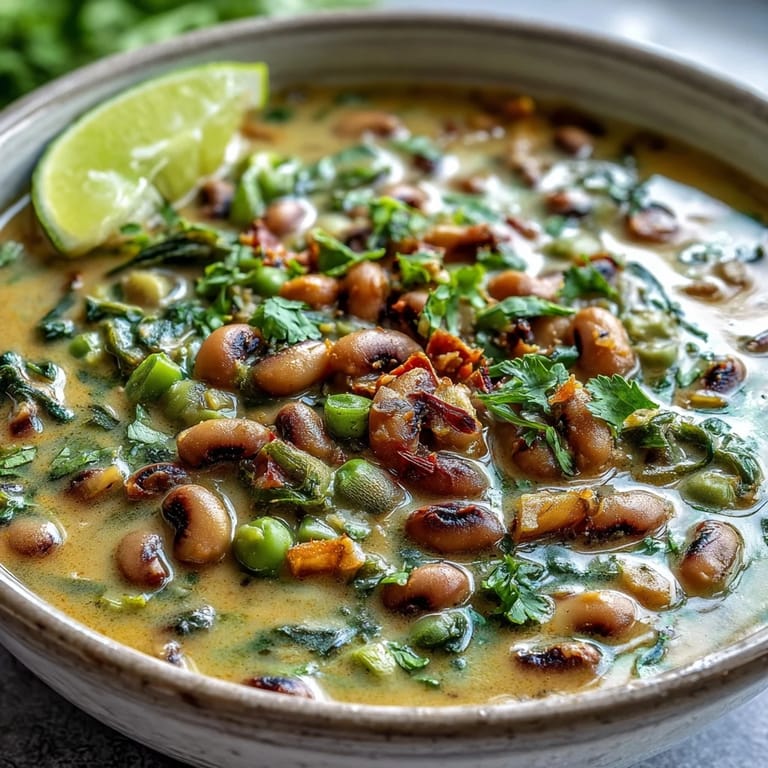
 My mom made an offhand comment once that this curry tasted like someone loved her while making it, which is silly but also exactly right. Food that's made with patience and attention tastes different than food that's rushed, and this dish gives you plenty of time to slow down.
Why Black-Eyed Peas Feel Right Here
Black-eyed peas have this creamy, almost buttery texture when cooked that plays beautifully with coconut milk without getting mushy or disappearing into the sauce. They're sturdier than chickpeas but gentler in flavor, so they let the spices shine instead of competing for attention. I've made this with kidney beans and chickpeas too, and it's good, but black-eyed peas are the version that keeps me coming back.
The Secret Is Patience with the Onions
Rushing the onions means they taste sharp and raw even after 20 minutes of simmering, but giving them those full 5 minutes to soften and caramelize creates a foundation that makes everything taste smoother and more expensive. I learned this the hard way by making this curry in a hurry and wondering why it tasted thin and one-dimensional. The difference between good and great curry is honestly just not skipping steps.
Making It Your Own
This curry is flexible enough to bend toward your preferences without breaking, and that's part of why I make it so often. You can adjust the heat, swap in different vegetables, add a cinnamon stick if you want deeper warmth, or throw in some spinach at the very end for a bit more green. Here's what I've learned works well in this particular recipe:
- Add a small cinnamon stick or a few curry leaves in step one if you want complexity and depth without extra heat.
- Substitute black-eyed peas with chickpeas, kidney beans, or even lentils depending on what you have and what you're craving.
- Swap the green peas for spinach, cauliflower, or bell peppers if you want different vegetables, though they'll cook at different speeds so adjust accordingly.
 Save to Pinterest
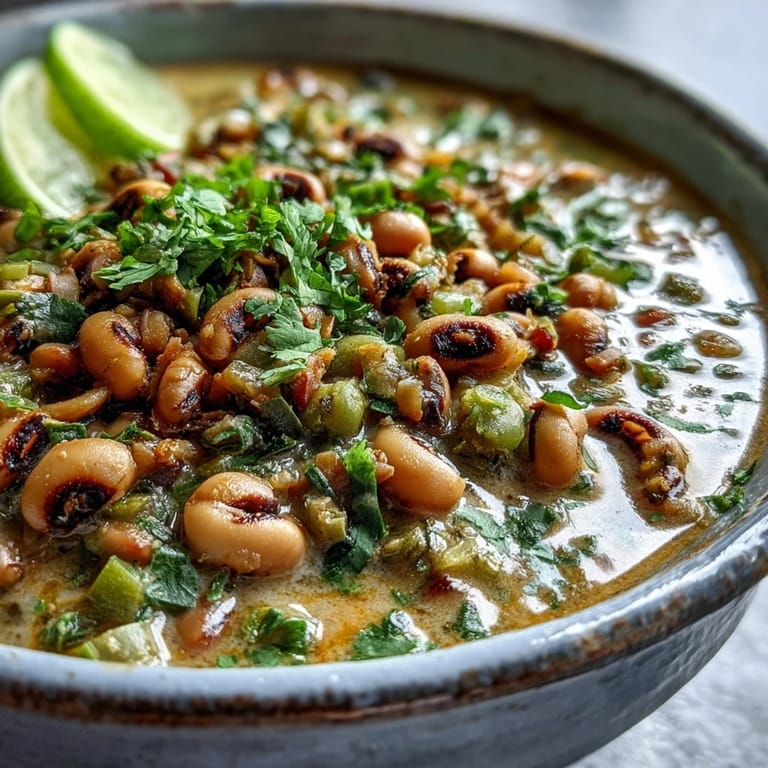
 This curry lives happily in your fridge for four days and reheats better the next day when all the flavors have settled and gotten to know each other. It's the kind of meal that makes you feel warm inside even if it's cold outside.
Common Recipe Questions
- → Can I use dried black-eyed peas instead of canned?
Yes, soak dried peas overnight and cook until tender before adding to the curry. This typically takes 45-60 minutes of simmering.
- → How can I make this curry spicier?
Increase the chili powder to 1 teaspoon or add extra green chilies. You can also include a pinch of cayenne pepper for additional heat.
- → What should I serve with black-eyed pea curry?
Basmati rice, warm naan bread, or roti are perfect accompaniments. The curry also pairs well with quinoa or over roasted cauliflower.
- → Can I freeze this curry?
Absolutely. Cool completely and store in airtight containers for up to 3 months. Thaw overnight and reheat gently on the stovetop.
- → Is this curry suitable for meal prep?
Yes, the flavors actually improve after sitting. Store in the refrigerator for 4-5 days and reheat portions as needed throughout the week.
- → Can I substitute the coconut milk?
For a lighter version, use half coconut milk and half vegetable broth. Full-fat coconut cream creates an extra rich, luxurious texture.