 Save to Pinterest
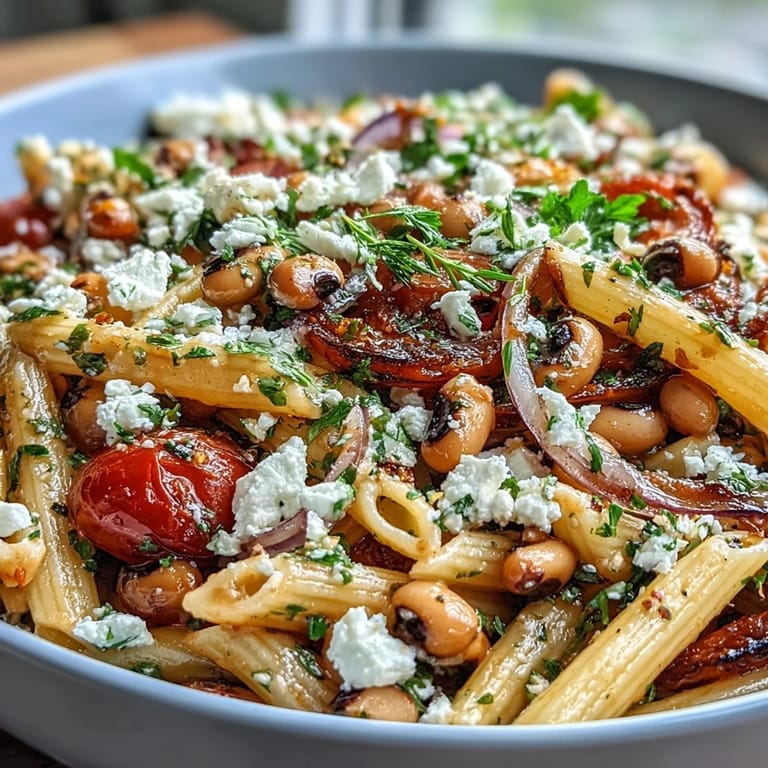
 There's something about the way black-eyed peas soften in a skillet that reminds me of Sunday afternoons when my neighbor brought over a jar of her homemade ones, and we ended up tossing them with warm pasta and whatever herbs were still hanging on in my kitchen. That simple toss became this dish, and now whenever I make it, I'm transported back to that moment of culinary improvisation. What started as a way to use up pantry staples turned into something I crave regularly.
I made this for a potluck once when I was running late, threw it together in my smallest skillet, and somehow it became the dish people asked about for months. One friend even texted me a photo of their attempt at recreating it, complete with a sheepish emoji because they'd used frozen spinach by accident. That small mistake didn't ruin anything, just made it their own version.
Ingredients
- Short pasta (penne, fusilli, or farfalle): 300 g (10 oz) of any shape works, but something with curves catches the sauce better than straight noodles.
- Black-eyed peas: One 400 g (14 oz) can, drained and rinsed, or 250 g (1.5 cups) cooked, they're the heart of this dish and give you plant-based protein that actually fills you up.
- Extra-virgin olive oil: Three tablespoons is the base for everything, so use something you'd actually taste on bread.
- Garlic cloves: Three, finely sliced rather than minced, because you want them to stay distinct little flavor bombs.
- Red onion: One small one, thinly sliced, adds sweetness and a slight bite that keeps the dish interesting.
- Fresh oregano or dried: One tablespoon fresh or one teaspoon dried, the backbone of the Mediterranean feel.
- Fresh parsley: Two tablespoons chopped, add it at the end for brightness.
- Fresh basil: Two tablespoons chopped, another last-minute addition that wakes everything up.
- Cherry tomatoes: One cup halved, they break down just enough to create a light sauce without being mushy.
- Baby spinach: One cup, it wilts down to almost nothing but adds nutrients and a subtle earthiness.
- Sea salt and freshly ground black pepper: Half a teaspoon salt plus more to taste, and a quarter teaspoon pepper, always taste as you go.
- Red pepper flakes: One pinch optional, adds heat if you like it that way.
- Lemon: Half a lemon, zest and juice, the citrus is what makes this come alive.
- Feta cheese: 50 g (one-third cup) crumbled and optional, but it does add a salty finishing touch.
Tired of Takeout? 🥡
Get 10 meals you can make faster than delivery arrives. Seriously.
One email. No spam. Unsubscribe anytime.
Instructions
- Get your pasta water going:
- Fill a large pot with salted water and bring it to a rolling boil, like you're preparing the stage for everything else. This takes about 10 minutes and gives you time to prep your vegetables.
- Cook the pasta:
- Add your pasta and stir it once so nothing sticks together, then let it cook according to the package instructions until it's al dente, which means tender but still with a slight bite. When it's done, scoop out and reserve a quarter cup of that starchy cooking water before draining.
- Start your aromatics:
- While the pasta cooks, warm your olive oil in a large skillet over medium heat until it shimmers slightly. Add your sliced garlic and red onion, and let them soften for two to three minutes while you breathe in that smell.
- Add the tomatoes:
- Toss in your halved cherry tomatoes and give them another three to four minutes to soften and start releasing their juices. You'll notice the pan starting to smell incredible at this point.
- Introduce the black-eyed peas:
- Stir in your drained black-eyed peas along with the oregano, salt, pepper, and red pepper flakes if you're using them. Let everything warm through for about two minutes so the flavors start getting to know each other.
- Bring it all together:
- Add the cooked pasta and that reserved cooking water to the skillet, then toss everything gently but thoroughly so the pasta gets coated with the light sauce. The starchy water helps bind everything together in a way that feels luxurious without being heavy.
- Wilt the spinach:
- Scatter your baby spinach over the top and fold it in until just wilted, which takes about one minute. Don't overdo it or you'll lose that bright green color.
- Finish with fresh elements:
- Remove the skillet from the heat and stir in the lemon zest, lemon juice, fresh parsley, and fresh basil. Taste it now and adjust the salt and pepper to your preference, because at this point you know exactly what you have.
- Plate and serve:
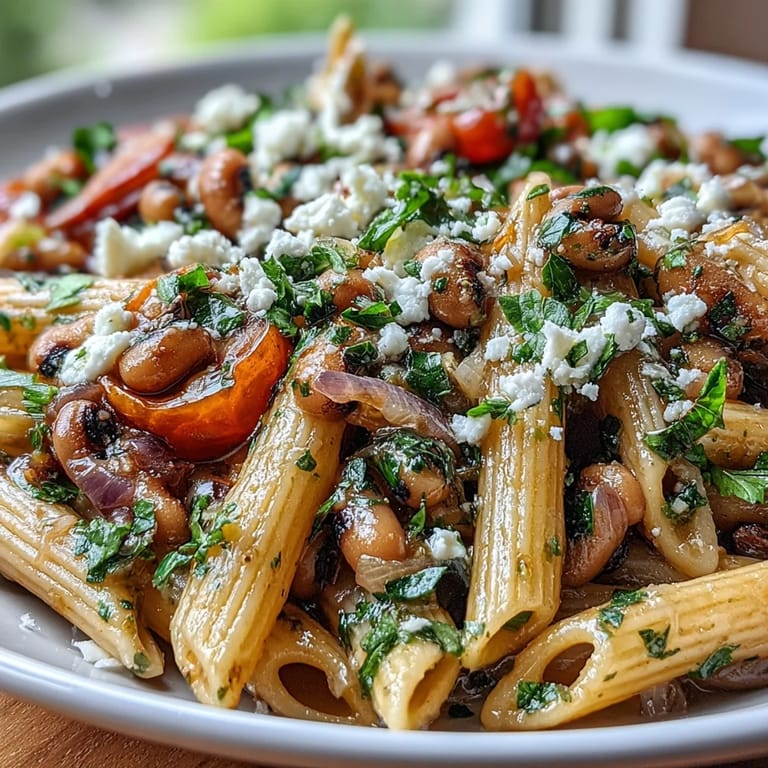
- Divide among bowls and top with crumbled feta cheese if you're using it, then serve immediately while it's still warm and the herbs are still bright.
 Save to Pinterest
 I made this dish for someone recovering from illness, and they told me later it was the first meal in weeks that tasted like joy instead of obligation. That's when I realized this wasn't just about combining ingredients well, it was about the lightness of it, the way it nourishes without weighing you down.
Why Black-Eyed Peas Matter
Black-eyed peas have this creamy texture that pasta cooks never expect, they're not like kidney beans or chickpeas at all. They're gentle and slightly buttery, which means they don't compete with the other flavors but make everything feel more substantial. Once you taste them in this context, you start finding reasons to use them in other dishes too.
The Lemon Moment
The lemon juice and zest are what transform this from a nice side dish into something you actually want for dinner. It's that final squeeze that makes you sit up a little straighter and wonder why more people don't do this with their pasta. The acidity cuts through the richness of the olive oil and makes each bite feel fresh.
Making It Your Own
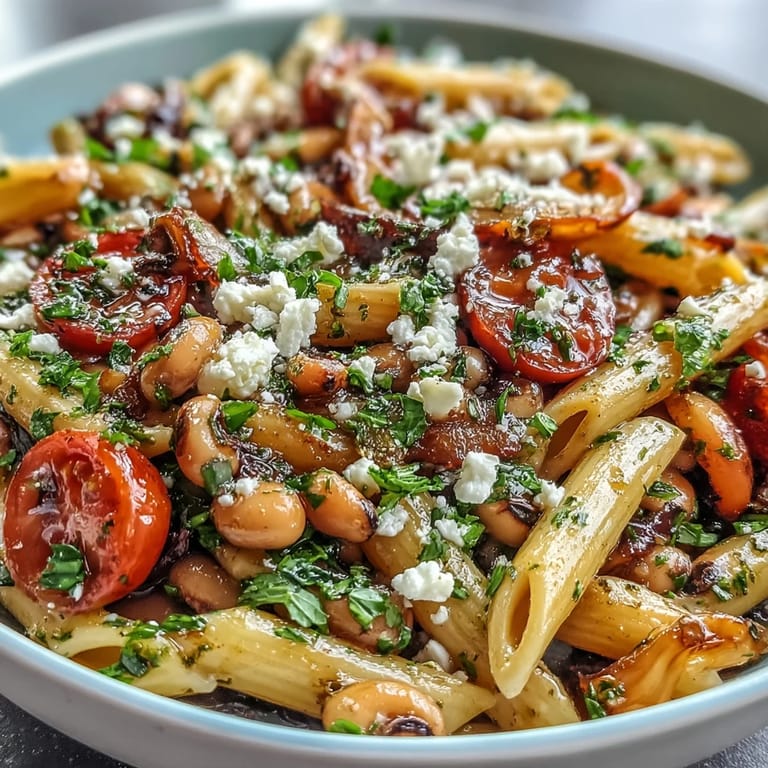
The beauty of this dish is how forgiving it is, which means you can adjust based on what's in your kitchen or what your mood is. If you don't have basil, use more parsley, if cherry tomatoes are out of season, diced regular tomatoes work just fine. This flexibility is exactly why I've made it dozens of times without getting tired of it.
- Roasted vegetables like zucchini or bell peppers add substance and seasonal variety.
- A squeeze of garlic oil at the end instead of feta gives it a different kind of richness.
- Cold leftovers the next day taste completely different, somehow even better, so make extra if you can.
 Save to Pinterest
 This pasta dish has become my go-to when I want something that feels Mediterranean and nourishing without any fuss. Make it once and you'll understand why it keeps calling you back to the kitchen.
Common Recipe Questions
- → Can I use dried black-eyed peas instead of canned?
Yes, soak 1 cup dried black-eyed peas overnight, then simmer until tender (about 45-60 minutes). Use 1 ½ cups cooked peas in place of the canned variety.
- → What pasta shapes work best?
Short pasta shapes like penne, fusilli, or farfalle capture the peas and vegetables well. Their nooks and crannies hold onto the olive oil and herb dressing nicely.
- → How long does this keep in the refrigerator?
Store in an airtight container for up to 4 days. The flavors actually develop and improve overnight. Reheat gently with a splash of water or olive oil.
- → Can I make this dish gluten-free?
Absolutely. Use certified gluten-free pasta shapes like corn-quinoa penne or brown rice fusilli. The cooking time may vary slightly from wheat pasta.
- → What proteins can I add for more substance?
Grilled chicken, sautéed shrimp, or even chickpeas work wonderfully. You could also add diced halloumi or extra nuts for plant-based protein.