 Save to Pinterest
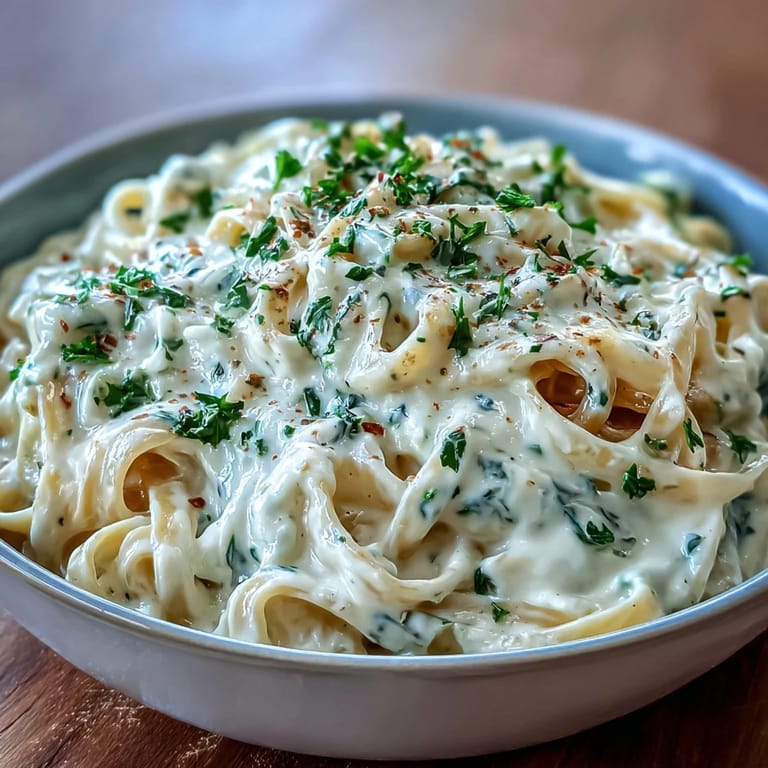
 Last Tuesday, I was standing in my kitchen wondering how to make something that tasted indulgent without the heavy feeling that comes after. My blender was sitting there, practically calling to me, and I had a head of cauliflower that needed using. Something clicked: what if I could turn something so humble into something that tastes like the kind of comfort food you'd find in a little Roman trattoria? Twenty minutes later, I was twirling creamy, velvety noodles on my fork and couldn't believe there wasn't a drop of heavy cream involved.
My neighbor knocked on the door while I was plating this, drawn by the aroma drifting through our shared hallway. She watched me twirl a forkful, saw my face light up, and I found myself insisting she try a bite right then and there, still wearing her coat. By the time she left, she had the recipe written on the back of an old grocery list, and I had one more person converted to the idea that vegetables can be the star of the show.
Ingredients
- Cauliflower florets (about 700 g): The foundation of everything—choose a head that feels dense and heavy, with no brown spots or yellowing, because this is where all your creaminess comes from.
- Garlic cloves (3): Fresh cloves make a difference; they become sweet and mellow when cooked in the water, almost nothing like raw garlic.
- Yellow onion (1 small, chopped): This adds a subtle sweetness that balances everything and makes people wonder what your secret ingredient is.
- Unsalted butter (2 tablespoons): Use real butter here—it's worth it and keeps the ingredient list honest.
- Parmesan cheese (1/3 cup grated): Freshly grated tastes completely different from the pre-shredded kind, so take the extra minute if you can.
- Milk (1/2 cup): Dairy or plant-based both work beautifully; if using plant-based, unsweetened is key so the sauce stays savory.
- Fettuccine or linguine (350 g): These wider noodles catch and hold the sauce better than thinner pasta shapes.
- Salt and freshly ground black pepper: Taste as you go because this matters more than you'd think.
- Ground nutmeg (pinch, optional): A tiny bit brings out the sweetness of the cauliflower without announcing itself.
Tired of Takeout? 🥡
Get 10 meals you can make faster than delivery arrives. Seriously.
One email. No spam. Unsubscribe anytime.
Instructions
- Boil your vegetables until they're falling-apart tender:
- Fill a large pot with salted water and bring it to a rolling boil—the water should taste like the sea. Add cauliflower florets, peeled garlic cloves, and your chopped onion all at once, then set a timer for 8 to 10 minutes, watching as the vegetables soften and turn a slightly paler green.
- Transfer carefully to your blender:
- Use a slotted spoon to fish the vegetables out of the water, letting excess liquid drip back into the pot (you'll want to keep this cooking water). Put all the soft vegetables into your blender bowl.
- Blend until it's impossibly smooth and creamy:
- Add the butter, Parmesan, milk, salt, pepper, and nutmeg if you're using it. Start blending on medium speed, then increase to high, scraping down the sides as needed with a spatula. If it feels too thick, add a splash of the reserved cooking water and blend again—you're aiming for the texture of heavy cream.
- Cook your pasta in the same pot:
- Pour out most of the cauliflower cooking water (save at least 1 cup), fill the pot back up with fresh water, and bring to a boil. Add your pasta and cook according to package instructions until it's al dente—tender but still with a tiny bit of resistance when you bite it.
- Drain and combine:
- Reserve that cup of pasta water before draining, then add the hot drained pasta back to the pot. Pour the cauliflower sauce over the top and toss everything together gently but thoroughly, adding reserved pasta water a splash at a time until the sauce coats every strand and moves easily around the pot.
- Taste, adjust, and serve:
- Give it a try and season with more salt or pepper if needed—this is your moment to make it perfect for your palate. Serve immediately while everything is hot, topped with fresh parsley and extra Parmesan if that's your style.
 Save to Pinterest
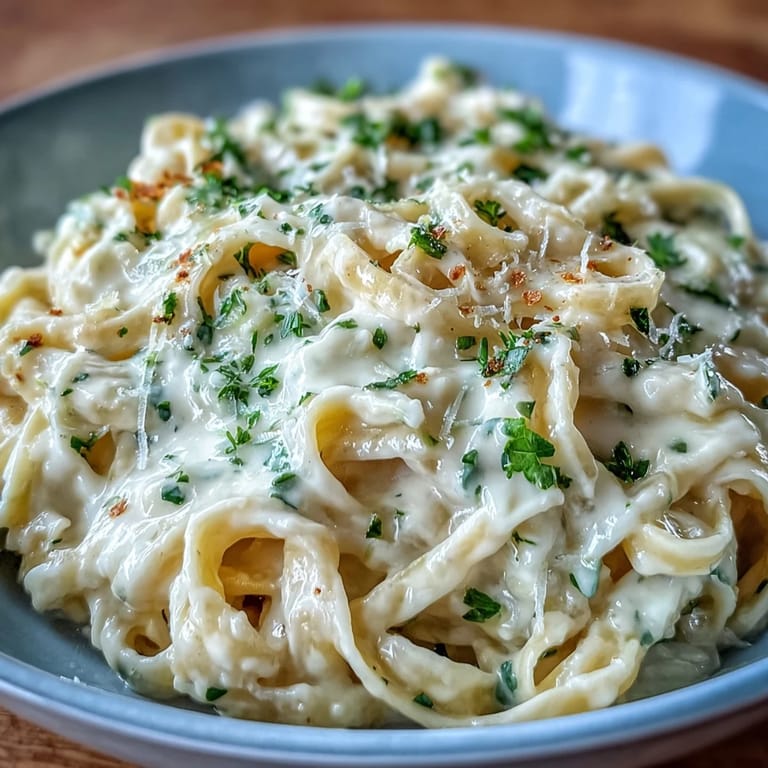
 There was a moment while eating this when I realized I was genuinely satisfied, not stuffed or bloated, just... happy. My fork kept moving toward the plate without me thinking about it, the kind of eating that means something tastes right to your body, not just your taste buds.
Why This Works So Well
Cauliflower has this quiet magic when you cook it down and blend it—it becomes something that tastes nothing like boiled vegetable, more like a naturally creamy base that your brain reads as indulgent. The combination of butter and Parmesan adds richness without needing a cup of heavy cream, and the pasta water acts like an invisible thickener that keeps everything velvety without being heavy. Somehow, a dish that sounds virtuous ends up tasting like the opposite of virtue.
Variations Worth Trying
This sauce is honestly a blank canvas, and I've found myself playing with it almost every time I make it. Sometimes I'll toss in sautéed mushrooms or roasted cherry tomatoes for color and depth, or add a handful of steamed broccoli to bulk it up. You could also stir in some fresh herbs like basil or thyme right before serving, or even a squeeze of fresh lemon juice if you want to brighten everything up and add a tiny bit of tang.
Making It Your Own
If dairy isn't part of your world, this recipe takes beautifully to plant-based swaps—use unsweetened milk, vegan butter, and nutritional yeast in place of the Parmesan, and you won't feel like you're missing anything. Whole wheat or gluten-free pasta work just as well as regular fettuccine, and honestly, some pasta shapes cook faster than others, so don't feel bound by the original choice. The real point here is that you're making something from scratch that tastes like you cared, and that shows up in every bite.
- Keep tasting as you cook because what seems perfect at medium heat might need adjustment once everything is hot and combined.
- If you end up with leftover sauce, it keeps in the fridge for three days and can transform into a soup or a baked pasta situation.
- This dish is best eaten right away while the pasta is still warm, so plan your timing accordingly and have everyone ready to eat.
 Save to Pinterest
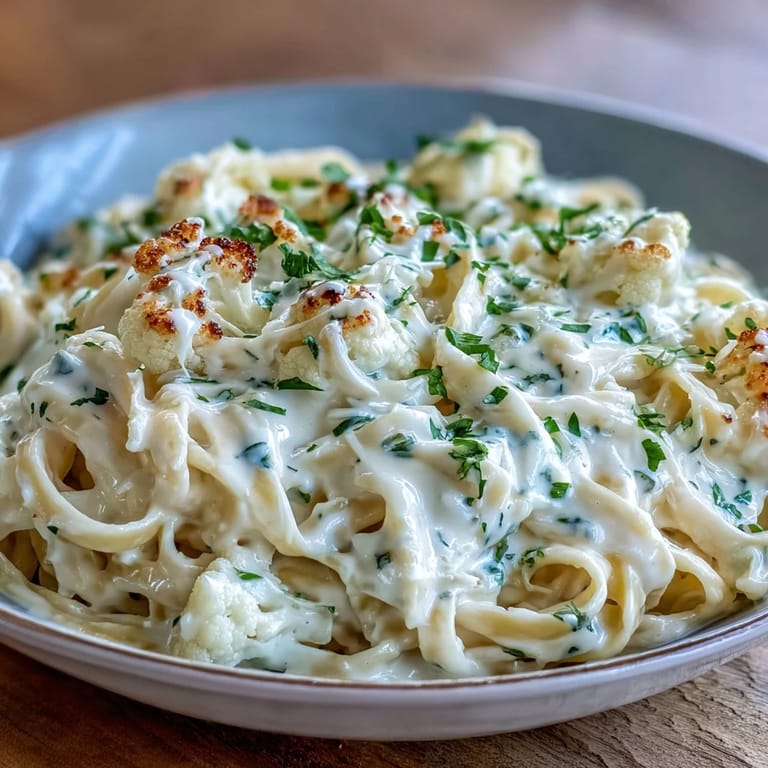
 This is the kind of dish that proves you don't need to choose between comfort and care when it comes to what you're eating. Make it for someone you love, or make it for yourself on a night when you deserve something that tastes like both.
Common Recipe Questions
- → What makes cauliflower Alfredo creamy?
Blending tender cooked cauliflower creates a naturally smooth base. Adding butter, Parmesan, and milk while blending transforms the vegetables into a velvety sauce that rivals traditional cream-based versions.
- → Can I make this dairy-free?
Absolutely. Swap regular butter for plant-based alternative, use unsweetened almond or oat milk, and replace Parmesan with nutritional yeast. The texture remains just as creamy and satisfying.
- → What pasta works best?
Fettuccine or linguine are classic choices because their flat surfaces hold the sauce beautifully. Whole wheat, gluten-free, or even chickpea pasta all work wonderfully here.
- → How long does this keep?
Store leftover pasta in an airtight container for up to 3 days. Reheat gently with a splash of water or milk to restore creaminess. The sauce may separate slightly but blends back together when warmed.
- → Can I freeze cauliflower Alfredo?
The sauce freezes well for up to 2 months. Freeze sauce separately from pasta for best results. Thaw overnight in the refrigerator and reheat slowly, adding liquid as needed.
- → What vegetables can I add?
Sautéed mushrooms, steamed broccoli, or roasted butternut squash pair beautifully. Fresh spinach wilts nicely right at the end. Keep additions to about 2 cups total to maintain sauce coverage.