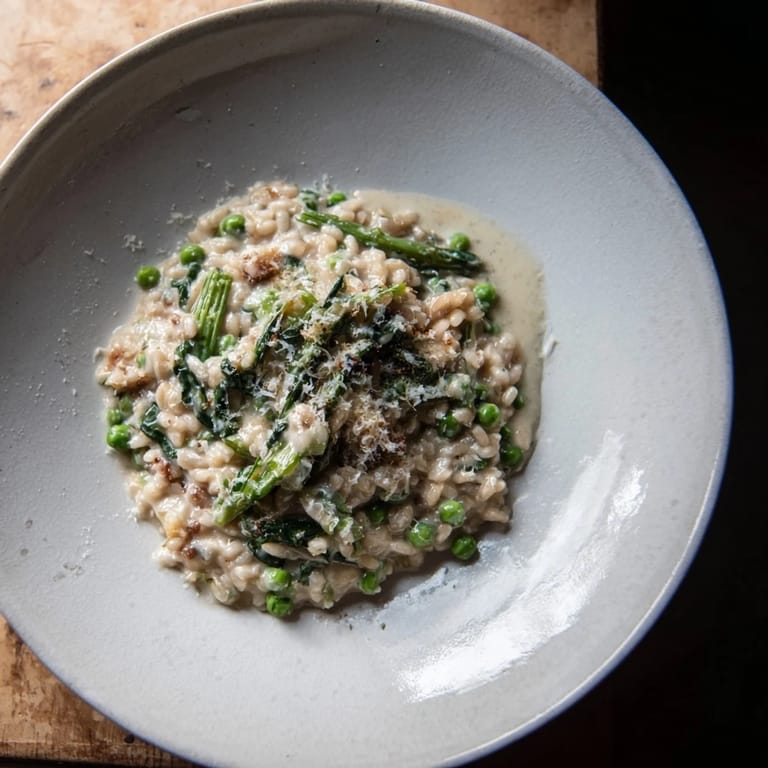
 Save to Pinterest
 I stumbled on this dish one chilly Tuesday when I had leftover orzo and a bag of peas I'd forgotten about in the freezer. I wasn't planning anything fancy, just something warm and filling. The shallot was browning in butter, the kitchen smelled like a good decision, and I thought, why not make this creamy? Twenty minutes later, I was scraping the pan clean with a spoon, standing at the stove, wondering why I'd ever bothered with complicated dinners.
The first time I made this for friends, I doubled the batch and still ran out. Everyone kept going back for more, claiming it was just a small spoonful, but the pan emptied fast. One friend said it tasted like the kind of thing her Italian grandmother would make on a Sunday, which felt like the highest praise. I've been making it ever since, tweaking the garlic here, adding a little nutmeg there, until it became my go-to comfort dish.
Ingredients
- Orzo pasta: This tiny rice-shaped pasta turns unbelievably creamy when cooked slowly in broth, almost like risotto without all the stirring.
- Unsalted butter: It gives the shallots a golden, sweet start and adds richness you can actually taste in every bite.
- Heavy cream: This is what makes the sauce cling to the orzo in a silky, luxurious way that milk alone just cant do.
- Freshly grated Parmesan cheese: Pre-grated stuff doesnt melt the same way, so grab a block and grate it yourself for that smooth, nutty finish.
- Low-sodium vegetable broth: It keeps the seasoning in your control and gives the orzo a savory base without overpowering the delicate flavors.
- Whole milk: It balances the richness of the cream and helps the orzo cook evenly without getting gummy.
- Frozen green peas: They add a pop of sweetness and color, plus they thaw in seconds so theres no prep work.
- Shallot: Milder and slightly sweeter than onion, it melts into the butter and builds a fragrant foundation.
- Garlic: Just two cloves are enough to make the whole kitchen smell like something special is happening.
- Salt and black pepper: Simple seasonings that let the Parmesan and butter shine without competing.
- Ground nutmeg: A tiny pinch adds warmth and depth, especially if you want that cozy, old-world Italian feel.
- Fresh parsley: A handful of green at the end brightens everything up and makes it look like you tried harder than you did.
Tired of Takeout? 🥡
Get 10 meals you can make faster than delivery arrives. Seriously.
One email. No spam. Unsubscribe anytime.
Instructions
- Start with the shallot:
- Melt the butter in a large skillet over medium heat and add the chopped shallot. Let it soften and turn translucent for 2 to 3 minutes, stirring occasionally so it doesn't brown too fast.
- Add the garlic:
- Stir in the minced garlic and cook for just 30 seconds until it smells fragrant and lightly toasted.
- Toast the orzo:
- Add the orzo to the pan and stir it around for 1 to 2 minutes. You'll hear it crackle a little and smell a nutty, toasty aroma that means it's ready for liquid.
- Simmer with broth and milk:
- Pour in the vegetable broth and whole milk, then bring everything to a gentle simmer. Lower the heat and cook uncovered for 8 to 10 minutes, stirring often, until the orzo is tender and most of the liquid has been absorbed.
- Stir in the peas:
- Add the thawed green peas and cook for 2 to 3 minutes until they're warmed through and bright green.
- Finish with cream and Parmesan:
- Stir in the heavy cream, grated Parmesan, salt, pepper, and nutmeg if you're using it. Keep stirring until the cheese melts completely and the sauce turns creamy and clings to the orzo, about 2 to 3 minutes.
- Taste and garnish:
- Remove the pan from the heat, taste, and adjust the seasoning if needed. Sprinkle with chopped parsley and serve right away while it's hot and silky.
 Save to Pinterest
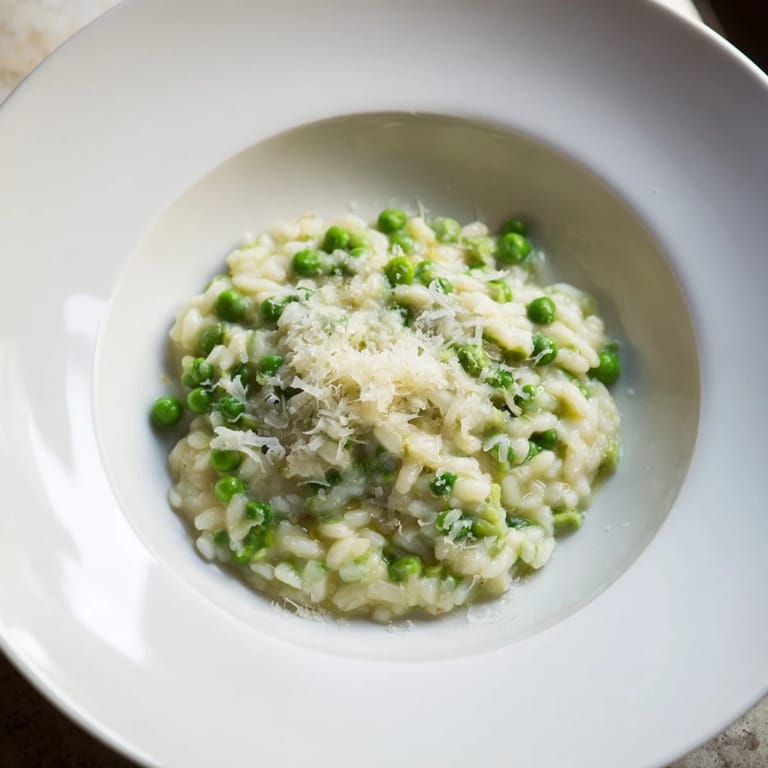
 One rainy evening, I made this for myself after a long day and ate it curled up on the couch with a blanket. It wasn't fancy, there were no candles or plated presentation, just me and a warm bowl of creamy orzo. That's when I realized this dish wasn't just about feeding people, it was about comfort, simplicity, and the small ritual of making something good when you need it most.
Serving Suggestions
This orzo works beautifully as a side dish next to grilled chicken, pan-seared salmon, or roasted vegetables. But honestly, I've eaten it straight from the pan as a main course more times than I can count, maybe with a simple green salad or a hunk of crusty bread to soak up any leftover sauce. It's versatile enough to fit into almost any meal, whether you're feeding a crowd or just yourself on a quiet night in.
Variations You Might Love
If you want to switch things up, try swapping the peas for baby spinach, asparagus tips, or even roasted cherry tomatoes. A squeeze of lemon juice or a splash of white wine before you add the cream can brighten the whole dish and cut through the richness. For a lighter version, use half-and-half instead of heavy cream, though I'll admit it won't be quite as silky. You can also stir in cooked shrimp or shredded rotisserie chicken if you want to make it heartier.
Storage and Reheating
Leftovers keep well in an airtight container in the fridge for up to three days. The orzo will thicken as it cools, so when you reheat it, add a splash of milk or broth and warm it gently on the stovetop, stirring frequently. I don't recommend freezing this one because the cream can separate and get grainy when thawed, which just isn't the same experience.
- Reheat gently over low heat to avoid curdling the cream.
- Add a little extra Parmesan when reheating if you want to refresh the flavor.
- Stir in fresh peas or greens right before serving to bring back some brightness.
 Save to Pinterest
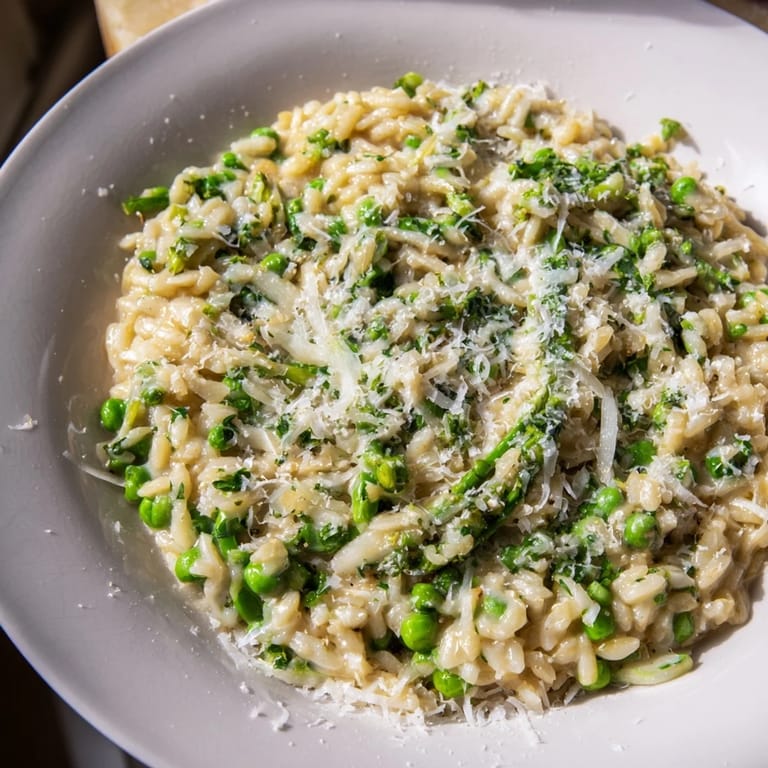
 This creamy Parmesan orzo has become one of those recipes I return to again and again, the kind that feels like a warm hug in a bowl. I hope it brings you as much comfort and joy as it's brought me.
Common Recipe Questions
- → Can I substitute the peas with other vegetables?
Yes, baby spinach or asparagus tips can be used as alternatives to peas for a different flavor and texture.
- → What is the best way to achieve a creamy sauce?
Simmering orzo in a combination of broth and milk, then stirring in heavy cream and freshly grated Parmesan cheese ensures a rich, creamy sauce.
- → How do I prevent the orzo from sticking during cooking?
Toast the orzo briefly before adding liquids and stir often while simmering to keep it from sticking together.
- → Can I adjust the seasoning to taste after cooking?
Absolutely, taste and add salt, pepper, or nutmeg as needed before serving to balance the flavors.
- → Is this dish suitable for vegetarians?
Yes, this dish uses vegetarian-friendly ingredients, including vegetable broth and dairy products, with no meat included.
- → What garnish works best with this dish?
Chopped fresh parsley provides a fresh, vibrant touch that complements the creamy texture and flavors.