 Save to Pinterest
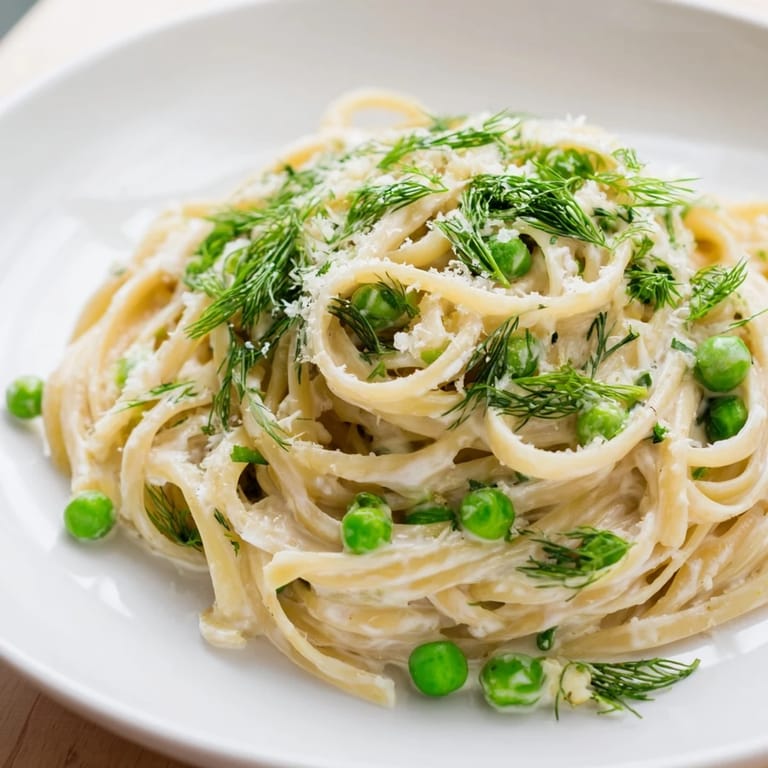
 There's something about the way fresh dill catches the light in a pot of cream that makes you slow down. I discovered this pasta on a weeknight when I had exactly three things in my fridge and a sudden craving for something that didn't taste rushed. The lemon zest hit the butter first, and the kitchen filled with this bright, almost electric smell that changed everything about how the evening felt. It became the kind of dish I make whenever I need to feel like I'm doing something special without actually trying that hard.
I made this for a friend who'd just moved into her first apartment, and she stood at the stove watching the sauce come together like it was the most impressive magic trick she'd ever seen. The dill went in last, and she leaned over the skillet and actually gasped at the smell. That's when I realized this wasn't just a recipe—it was something that could make someone feel at home in a new kitchen.
Ingredients
- Pasta (350g dried): Fettuccine, linguine, or penne all work beautifully; I usually reach for fettuccine because the ribbons hold the sauce like little nets.
- Unsalted butter (2 tbsp): This is your foundation—good butter tastes cleaner and lets the lemon shine through instead of competing with it.
- Garlic (2 cloves, minced): Don't skip the mincing; chunks will turn bitter and tough if they cook too long, but minced garlic melts into the butter like it belongs there.
- Lemon zest (from 1 lemon): Use a microplane if you have one—it catches all the fragrant oils without the bitter white pith underneath.
- Heavy cream (200ml): Cold straight from the fridge works best; it comes to temperature more gently and gives you better control over thickening.
- Fresh lemon juice (2 tbsp): Squeeze it fresh right before you use it, because bottled juice tastes a bit tinny compared to what you need here.
- Dijon mustard (1 tsp): This is the secret player that nobody notices but absolutely changes the depth—it adds this subtle tang without tasting like mustard.
- Salt and pepper: Start conservative; you can always add more after the Parmesan, which brings its own saltiness.
- Parmesan cheese (40g grated): Freshly grated if you can manage it—the pre-grated stuff has cellulose in it that makes the sauce slightly grainy.
- Fresh dill (3 tbsp chopped): Don't chop it until you're ready to use it or it turns dark and loses that bright, almost grassy flavor that makes this dish work.
- Peas (1 cup, optional): Frozen peas are actually perfect here because they stay intact; fresh ones sometimes turn mushy if you're not watching.
- Smoked salmon (150g, optional): Flake it gently with a fork instead of cutting it, so you get those irregular pieces that look more intentional.
Tired of Takeout? 🥡
Get 10 meals you can make faster than delivery arrives. Seriously.
One email. No spam. Unsubscribe anytime.
Instructions
- Get the water going:
- Fill a large pot about three-quarters full and add a generous pinch of salt—enough that it tastes like the sea. Bring it to a rolling boil before you add the pasta; this makes a real difference in how it cooks evenly.
- Cook the pasta:
- Add the pasta and stir it once in the first minute so nothing sticks to the bottom. Follow the package instructions for timing, but start tasting it a minute before the box suggests—al dente means you should feel a tiny bit of resistance when you bite into it, not soft all the way through.
- Wake up the butter:
- While the pasta's cooking, melt the butter in a large skillet over medium heat. Once it starts to foam and smell nutty, add your minced garlic and lemon zest; you're looking for about one minute until the whole skillet smells like lemon and garlic had a party.
- Build the sauce:
- Pour in the heavy cream slowly, stirring as you go, then add the lemon juice and mustard. Let this simmer gently—you'll see it start to thicken and lighten in color, which means the lemon is doing its work breaking down the fat into something more elegant.
- Bring in the cheese:
- Reduce the heat to low and add the Parmesan, salt, and pepper, stirring constantly so the cheese melts smoothly instead of getting grainy or clumpy. Taste it now—this is your chance to adjust the seasoning before everything comes together.
- Unite everything:
- Reserve about half a cup of pasta water before you drain, then add the hot pasta to the skillet. Toss it gently for a minute, then start adding pasta water a splash at a time until the sauce coats every strand without pooling at the bottom—it should look glossy and move easily when you twirl a fork through it.
- Finish with brightness:
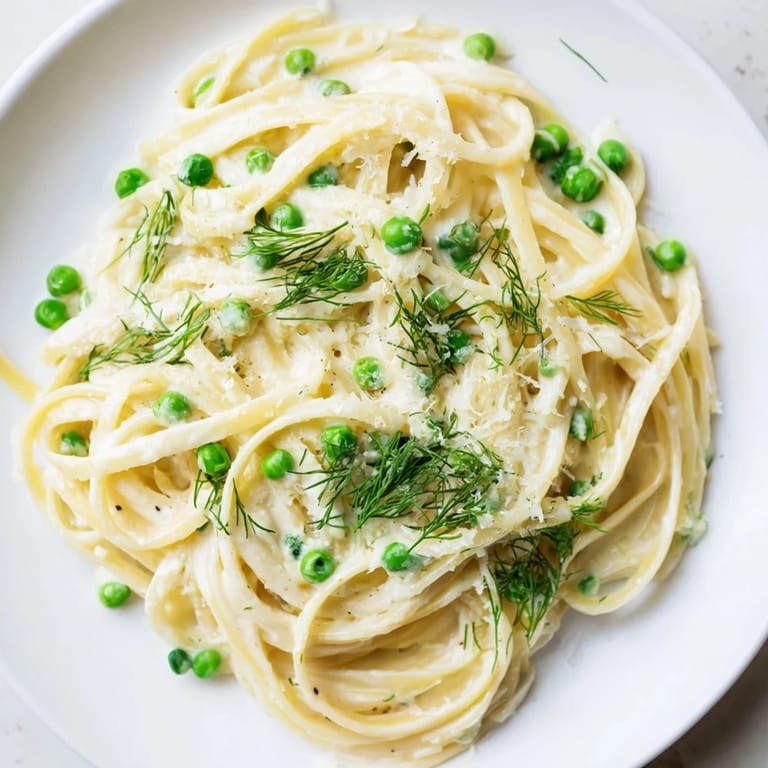
- Stir in the fresh dill and peas if you're using them, tossing until everything is warm and the dill is distributed throughout. Serve immediately into warm bowls because this sauce thickens fast once it sits.
 Save to Pinterest
 The first time someone told me this pasta reminded them of restaurants they'd been to, I realized I'd accidentally created something that tastes more expensive and complex than the fifteen minutes it actually took. That's the real magic of simple, honest cooking—when every ingredient does one thing perfectly, the whole thing becomes more than the sum of its parts.
The Lemon Strategy
There's a difference between using lemon as a flavor and using it as a brightening agent, and this dish needs both. The zest goes in early with the butter so the oils bloom and perfume the whole sauce, while the juice goes in with the cream so it cuts through the richness without making anything taste sour. I learned this the hard way by reversing them once and ending up with something that tasted flat and one-dimensional. Now I always do zest first, juice later—it's the difference between a dish that tastes good and one that tastes alive.
Making It Your Own
The beauty of this recipe is that it's a foundation rather than a rigid instruction. I've made it with smoked salmon on fancy nights, but I've also thrown in whatever vegetables needed to leave my crisper drawer—roasted asparagus, sautéed mushrooms, even spinach wilted in at the end. The cream sauce is forgiving enough that it embraces almost anything, as long as you're not fighting it with flavors that are too bold. Some people add a splash of white wine when they're making it for company, which gives everything a slightly more refined edge.
- Try stirring in some sautéed mushrooms or asparagus for earthiness without changing the dish's essential character.
- A small handful of fresh spinach wilts in beautifully at the very end without adding any extra cooking time.
- If you want to lighten it, swap half the heavy cream for half-and-half or even whole milk, though the sauce won't be quite as velvety.
Timing and Temperature
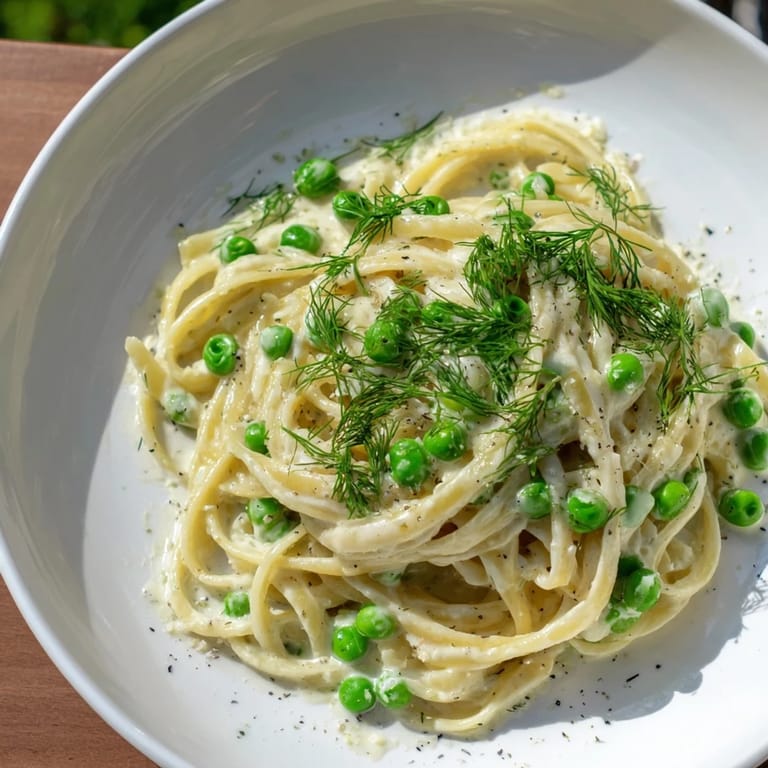
This is a dish that rewards paying attention in the moment rather than multitasking. The window between everything coming together perfectly and the sauce breaking or becoming too thick is surprisingly narrow—probably two minutes total. I keep everything hot and ready: the pasta water reserved, the bowls warming on the counter, the dill chopped and sitting in a small bowl. When I pull the pasta from the pot, I'm already reaching for the serving spoon, and it all comes together in that natural rhythm where nothing sits around getting cold or seizing up.
 Save to Pinterest
 This pasta has become my go-to answer when I'm cooking for people and genuinely want them to feel taken care of. It's one of those dishes that proves you don't need hours or complicated techniques to make someone's day a little bit brighter.