 Save to Pinterest
 My neighbor once asked why my kids actually eat vegetables, and I just smiled. The truth is, they don't always know they're eating them. This tomato sauce became my quiet victory after too many dinners ending in negotiations over a single floret of broccoli. I started blending carrots and zucchini into the tomato base one Wednesday night, half expecting to be caught, but nobody said a word. They just asked for seconds.
I remember serving this to my sister's family during a weekend visit. Her youngest, who once declared all green food illegal, cleaned his plate and asked what kind of magic tomato sauce this was. My sister shot me a look across the table, the kind that said tell me everything later. We spent that evening in the kitchen while I walked her through it, and now she makes a double batch every Sunday.
Ingredients
- Carrots: They add natural sweetness and body to the sauce, plus they puree so smoothly you'd never guess they were there.
- Zucchini: This vegetable melts into the background, thickening the sauce without any strong flavor that might give it away.
- Spinach: It wilts down to almost nothing and adds a boost of iron and color that just deepens the red.
- Onion: The base of almost every good sauce, it brings a savory sweetness once it softens in the oil.
- Garlic: Two cloves are enough to add warmth without overpowering the tomato or the hidden veggies.
- Olive oil: Use a good one if you have it, the flavor carries through even after blending.
- Crushed tomatoes: A 28 oz can gives you the right texture and tang, look for one without added sugar if possible.
- Tomato paste: This concentrates the tomato flavor and helps the sauce cling to pasta instead of sliding off.
- Dried oregano and basil: Classic Italian herbs that make everything smell like a grandmother's kitchen, even if you're winging it.
- Salt, pepper, and sugar: The sugar is optional, but it tames any sharpness from the tomatoes and I almost always use it.
- Parmesan cheese: Stir it in at the end for a creamy, salty finish, or leave it out to keep things dairy free.
- Fresh basil: A handful of torn leaves on top makes it look like you tried much harder than you did.
Tired of Takeout? 🥡
Get 10 meals you can make faster than delivery arrives. Seriously.
One email. No spam. Unsubscribe anytime.
Instructions
- Start with the aromatics:
- Heat your olive oil over medium heat and add the chopped onion and minced garlic. Let them sizzle gently until they smell sweet and the onion turns translucent, about three minutes.
- Add the hidden heroes:
- Toss in the carrots and zucchini, stirring them around so they get coated in the oil. Cook for five to seven minutes, letting them soften but not brown.
- Wilt the spinach:
- Add the spinach and watch it shrink down in about two minutes. It will look like a lot at first, then suddenly it won't.
- Build the tomato base:
- Pour in the crushed tomatoes and stir in the tomato paste until everything is mixed together and starting to bubble. Add your oregano, basil, salt, pepper, and the sugar if you're using it.
- Let it simmer:
- Bring the sauce to a low simmer, then cover and let it cook gently for twenty minutes. Stir it every so often to keep anything from sticking to the bottom.
- Blend until smooth:
- Take the pot off the heat and let it cool for a minute, then use an immersion blender to puree everything until it's completely smooth. If you're using a countertop blender, do it in batches and be careful with the hot liquid.
- Finish and taste:
- Put the sauce back on the stove if it cooled too much, taste it, and adjust the salt or pepper. Stir in the Parmesan now if you want it, and serve hot over any pasta you like.
 Save to Pinterest
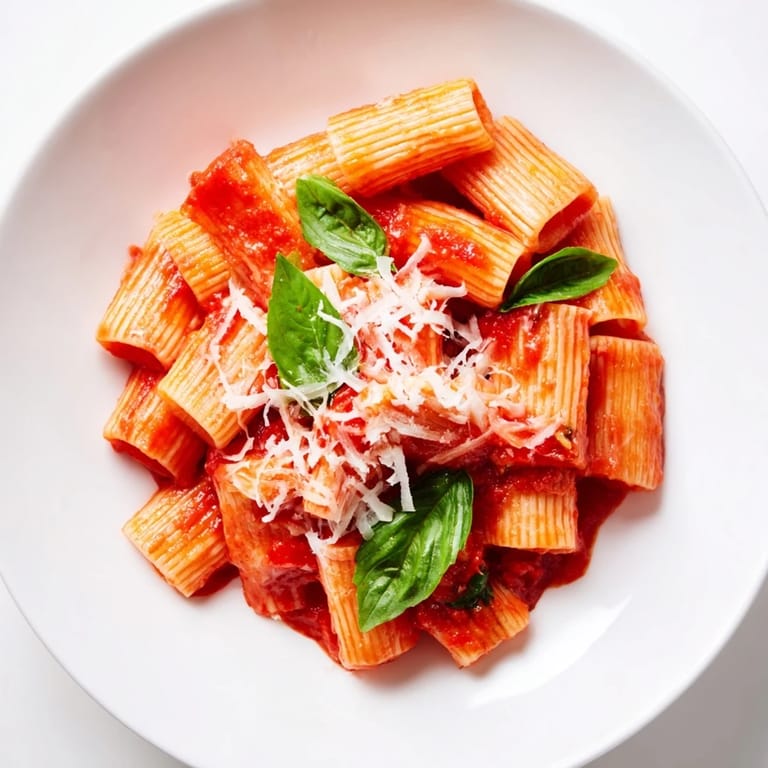
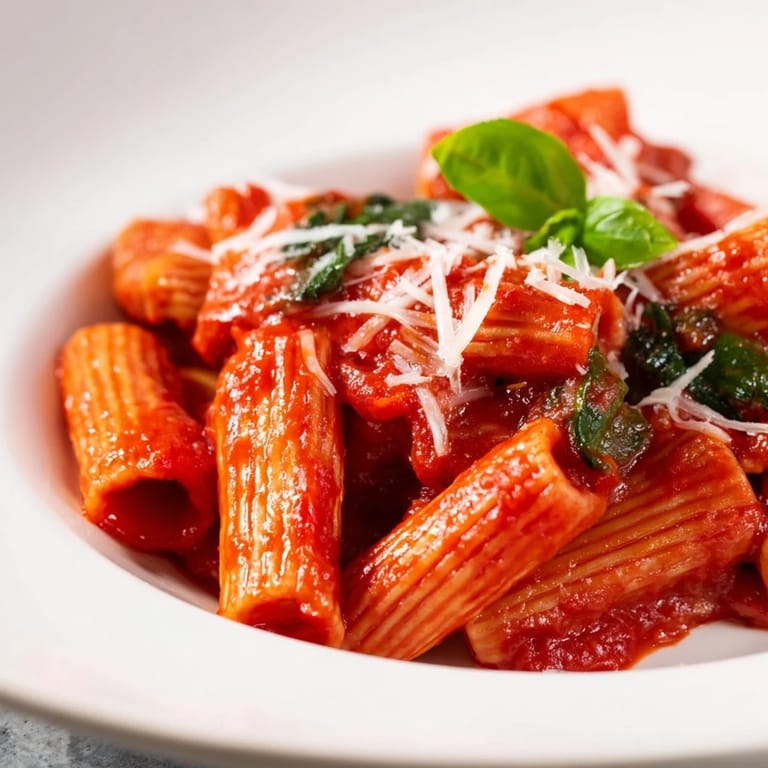
 There was one night when I served this over rigatoni with a little ricotta dolloped on top, and my husband paused mid bite to say it tasted like something from a restaurant. I didn't tell him about the zucchini until dessert. He laughed, then admitted he'd been avoiding zucchini for years. Now he requests this sauce by name, and I still haven't told him about the spinach.
Making It Ahead
This sauce freezes beautifully, and I usually make a triple batch whenever I have the time. Let it cool completely, then portion it into containers or freezer bags, leaving a little room at the top for expansion. It keeps for up to three months, and you can reheat it straight from frozen in a saucepan over low heat. I keep a stash in the freezer for those nights when cooking from scratch feels impossible but ordering in feels expensive.
Serving Suggestions
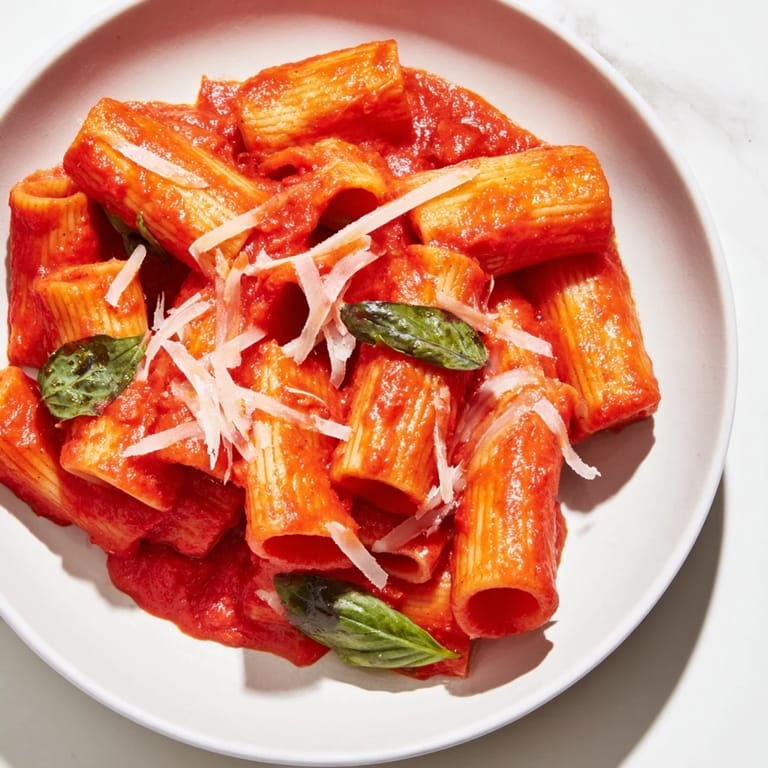
I've used this sauce on everything from spaghetti to baked ziti, and it's never let me down. It's thick enough to spread on pizza dough, and I've even used it as a base for shakshuka by cracking a few eggs into simmering sauce. My favorite way is still the simplest, tossed with hot pasta, a drizzle of good olive oil, and a snowfall of Parmesan. Serve it with garlic bread and a simple salad, and dinner feels complete without much effort.
Adjusting for Your Family
If your family is suspicious of anything green, skip the spinach the first time and just use carrots and zucchini. Once they trust the sauce, you can sneak the spinach back in. You can also add a finely chopped bell pepper or a few mushrooms before blending, they disappear just as easily. Some parents I know add a small cooked sweet potato for extra creaminess and natural sweetness.
- For a richer sauce, stir in a tablespoon of butter or a splash of heavy cream after blending.
- If you want a chunkier texture, blend only half the sauce and leave the rest as is.
- Always taste before serving, every batch of tomatoes is a little different and may need more salt or a pinch of sugar.
 Save to Pinterest
 This sauce has become one of those recipes I don't really think about anymore, I just make it. It's easy, forgiving, and it turns a weeknight dinner into something everyone actually enjoys without complaints or drama.
Common Recipe Questions
- → Can I use frozen vegetables instead of fresh?
Yes, frozen carrots, zucchini, and spinach work well. Thaw them before cooking and reduce cooking time slightly since they're partially cooked during freezing.
- → How do I puree the sauce if I don't have a blender?
An immersion blender is ideal and works directly in the pan. Alternatively, carefully transfer the hot sauce to a countertop blender in batches, leaving space for steam to escape.
- → Is this sauce suitable for meal prep?
Absolutely. Cool the sauce completely, portion into freezer-safe containers, and store for up to 3 months. Thaw overnight in the refrigerator and reheat gently on the stovetop.
- → Can I make this vegan?
Yes, simply omit the Parmesan cheese or substitute it with a plant-based alternative. The sauce is naturally vegan without dairy additions.
- → What pasta shapes work best with this sauce?
Smooth, thin pastas like spaghetti, linguine, or fettuccine work beautifully. Tube shapes like penne also capture the sauce well between ridges.