 Save to Pinterest
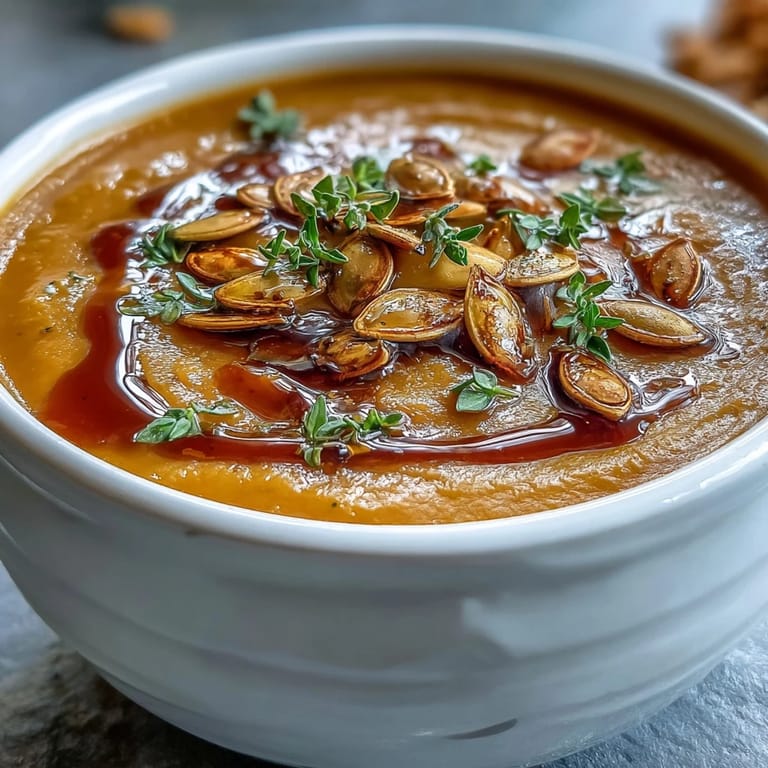
 The autumn sun slanted through my kitchen window as I twisted my knife through the tough skin of a butternut squash. The house was quiet except for the soft thud of the knife against the cutting board and the distant sound of falling leaves outside. I remember that first batch of butternut squash soup I made after moving into my own place – the way the maple syrup caramelized with the roasted squash created a fragrance so comforting I wanted to capture it forever.
Last Thanksgiving, my brother-in-law who claims to hate all vegetables had three bowls of this soup before I told him what it was made from. The look on his face was priceless – somewhere between betrayal and begrudging respect. Now he requests it every holiday gathering, though he still maintains its the only vegetable dish hell voluntarily eat.
Ingredients
- Butternut squash: Look for one with a matte skin without any green lines, which means its perfectly ripe and will give you that deep, sweet flavor without any bitterness.
- Maple syrup: Please use pure maple syrup rather than pancake syrup, as the real stuff has complex notes that truly elevate this dish from good to memorable.
- Coconut milk: I discovered this alternative by accident when I ran out of cream once, and now I often prefer its subtle exotic undertone that pairs beautifully with the spices.
- Nutmeg and cinnamon: Freshly grated nutmeg makes a world of difference if you have it, bringing warmth that ground nutmeg from a jar sometimes lacks.
- Vegetable broth: I use homemade when I have it, but a good quality low-sodium store-bought works beautifully too, letting you control the salt level yourself.
Tired of Takeout? 🥡
Get 10 meals you can make faster than delivery arrives. Seriously.
One email. No spam. Unsubscribe anytime.
Instructions
- Prep your squash:
- Peeling butternut squash can be a workout, so I like to microwave the whole squash for 2-3 minutes first to soften the skin slightly. The knife will glide through much more easily, saving your hands from struggle.
- Roast to golden perfection:
- Spread those cubes in a single layer – crowding leads to steaming instead of caramelizing. When they develop those crispy brown edges, youll know youre building incredible flavor.
- Create your flavor base:
- As the onions turn translucent, watch for that moment when they just begin to gain golden edges. Thats your cue to add the garlic, catching it before it has any chance to burn and turn bitter.
- Blend with care:
- If using a regular blender, fill it only halfway with the hot mixture and hold a kitchen towel over the lid. Hot liquids expand when blended, and nobody wants a soup explosion in their kitchen.
- Final flavor adjustment:
- After adding the coconut milk or cream, taste again before serving. Sometimes the richness needs a touch more salt or an extra drizzle of maple syrup to achieve perfect balance.
 Save to Pinterest
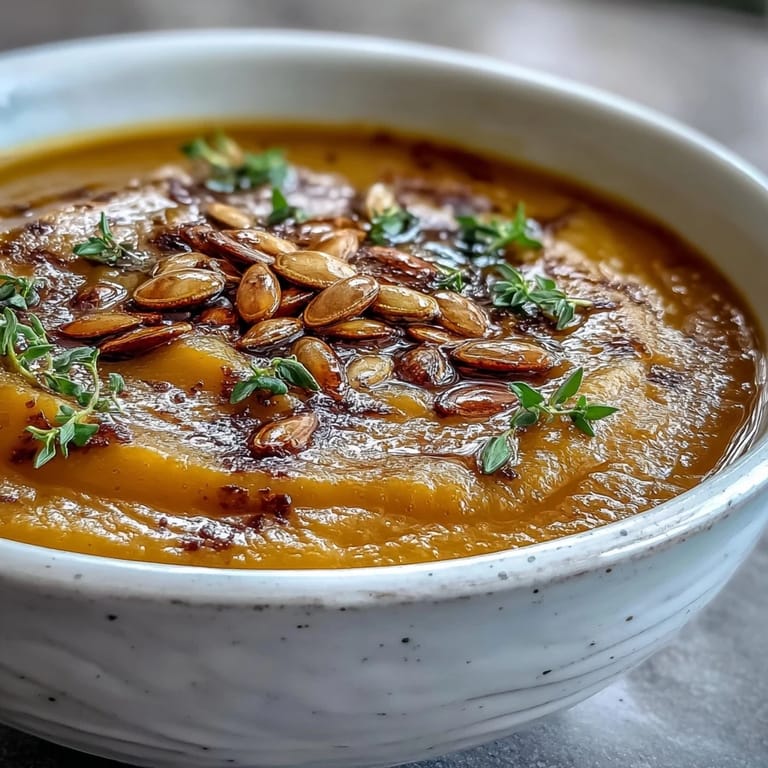
 During one particularly harsh winter, I delivered a thermos of this soup to my neighbor whos elderyoungerly and lives alone. She called the next day to say it reminded her of something her mother made during the Depression, but with a modern twist she absolutely loved. Somehow that soup created a bridge between generations and became our tradition whenever the temperature dips below freezing.
Seasonal Adaptations
In summer months when butternut isnt at its prime, Ive successfully substituted sweet potatoes for a similar profile. The roasting time decreases slightly, but that same caramelized magic happens, creating a soup that feels familiar yet distinct. Sometimes I add a peeled apple to the mix for an extra dimension that welcomes the changing seasons.
Storage and Leftovers
This soup actually improves overnight as the flavors meld together in the refrigerator. It keeps beautifully for up to 4 days chilled, and Ive found that freezing portions in silicone muffin trays creates perfect single-serving portions that defrost quickly for lunch emergencies. The coconut milk might separate slightly when thawed, but a quick stir brings everything back together.
Serving Suggestions
While perfect on its own, this soup becomes a proper meal with thoughtful accompaniments. I love setting out a toppings bar when hosting friends, letting everyone customize their bowl with crispy bacon bits, roasted chickpeas, or crumbled goat cheese depending on dietary preferences.
- For a complete autumn meal, serve alongside a kale salad with dried cranberries and toasted pecans.
- A slice of warm, crusty sourdough bread for dipping makes this soup feel like a proper comfort food experience.
- For special occasions, serve in hollowed mini pumpkins that have been briefly roasted – the presentation always impresses and adds another layer of seasonal flavor.
 Save to Pinterest
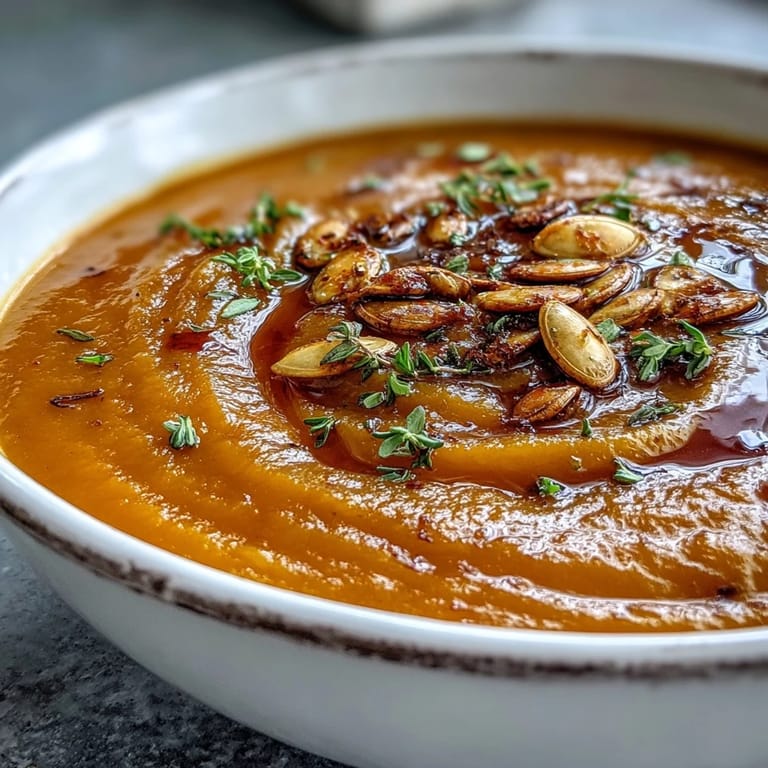
 This butternut squash soup has taught me that sometimes the simplest ingredients, treated with care and respect, create the most memorable meals. Its not just about feeding bodies but warming souls – especially when shared with someone who could use a bit of comfort in a bowl.
Common Recipe Questions
- → Can I make this soup ahead of time?
Yes, this soup keeps well for up to 5 days refrigerated. The flavors actually deepen and meld better after resting. Reheat gently over medium-low heat, stirring occasionally to maintain smooth texture.
- → How do I achieve the smoothest consistency?
Roast squash until fully tender and caramelized before blending. Use an immersion blender directly in the pot for convenience, or work in batches with a high-speed countertop blender. For ultra-smooth results, pass through a fine-mesh sieve after blending.
- → Can I freeze this soup?
Cool completely before transferring to airtight containers. Freeze for up to 3 months. Thaw overnight in refrigerator and reheat gently. Cream-based versions may separate slightly; whisk vigorously while reheating to restore creaminess.
- → What can I substitute for maple syrup?
Honey works well for similar sweetness and depth. Brown sugar or date syrup provide caramel notes. For a lower-sugar version, simply omit sweetener entirely—the roasted squash brings natural sweetness on its own.
- → How do I adjust the spice level?
Start with the specified cinnamon and nutmeg amounts. For gentle warmth, add a pinch of cayenne pepper. Increase gradually to taste. Remember that flavors concentrate slightly as the soup simmers.
- → Is fresh squash necessary?
Fresh butternut squash yields superior texture and flavor. Frozen cubed squash works in a pinch but may release more water during roasting. Adjust cooking time accordingly and drain excess liquid before blending.