 Save to Pinterest
 There's a particular moment on Tuesday evenings when I stand at the stove and remember why I fell in love with these burritos. The kitchen fills with the smell of cumin and smoked paprika hitting hot oil, and suddenly I'm transported to a small café in Austin where I watched someone casually assemble the most perfect burrito I'd ever seen. What struck me wasn't just how good it looked—it was how effortless it seemed, how the beans formed this creamy, forgiving base that held everything together. I've been chasing that feeling ever since, and this version, with its smoky depth and fiber-packed soul, is as close as I've gotten.
I made these for my sister last month when she was visiting, and she ate three in a row without stopping to talk—which for her is saying everything. The whole time I was wrapping them, she kept asking if I'd add the avocado or not, clearly hoping I would, and when I did, she made this quiet sound of approval that made the whole afternoon feel like it mattered.
Ingredients
- Olive oil: Use good quality here—it's one of the few ingredients doing real work in the pan.
- Yellow onion: The sweetness matters; it balances the smoke and spice perfectly.
- Garlic cloves: Fresh is non-negotiable; jarred will taste like regret.
- Red bell pepper: It stays slightly crisp and adds both sweetness and brightness against the deep spices.
- Ground cumin: Toast it in the oil first and you'll taste the difference immediately.
- Smoked paprika: This is where the magic happens—don't skip it, and don't use regular paprika as a substitute.
- Chili powder, ground coriander, salt, and black pepper: Together they create this warm, complex base that makes people ask what you did differently.
- Black beans: Canned is fine and honest; drain and rinse them well to remove excess sodium.
- Vegetable broth or water: This creates the simmering liquid that softens everything together.
- Lime juice: Fresh lime brightens the whole thing at the end; bottled lime juice will taste like a missed opportunity.
- Whole wheat tortillas: Large ones matter for wrapping without tearing; warm them slightly so they cooperate.
- Brown rice: Optional but recommended if you want something starchy to anchor the beans.
- Shredded lettuce: Iceberg works, but anything with more personality will make you happier.
- Diced tomatoes: Fresh is best, but if tomatoes aren't in season, skip them rather than using sad ones.
- Cheddar or vegan cheese: Melts slightly from the warm beans, adding a savory finish.
- Sour cream or plant-based alternative: A cooling contrast that makes every bite better.
- Fresh cilantro: If you're someone who finds it tastes like soap, use parsley instead—no judgment.
- Avocado: Add it just before serving so it stays creamy and doesn't turn dark.
Tired of Takeout? 🥡
Get 10 meals you can make faster than delivery arrives. Seriously.
One email. No spam. Unsubscribe anytime.
Instructions
- Wake up your pan with oil:
- Heat the olive oil over medium heat until it shimmers slightly. Add the chopped onion and let it soften for about three minutes, stirring occasionally—you're looking for it to turn translucent and sweet.
- Build the flavor base:
- Stir in the garlic and diced red bell pepper, cooking for another couple of minutes until the garlic becomes fragrant and the pepper softens just slightly. The kitchen should smell incredible at this point.
- Awaken the spices:
- Add all your spices at once—cumin, smoked paprika, chili powder, coriander, salt, and pepper. Stir constantly for about 30 seconds so they toast lightly in the oil and release their full character into the pan.
- Welcome the beans:
- Pour in your drained black beans and the vegetable broth, stirring gently to combine. Bring it to a simmer and let it bubble softly for five to seven minutes, allowing the flavors to marry and deepen.
- Create the creamy texture:
- Grab a fork and gently mash some of the beans against the side of the skillet—you're aiming for a rough, partially mashed consistency that still has whole beans visible. This creates that naturally creamy filling without cream.
- Brighten and taste:
- Remove from heat and stir in the lime juice, then taste and adjust the seasoning. Sometimes it needs a touch more salt, or maybe another squeeze of lime—trust your palate.
- Prepare your wraps:
- Warm your tortillas in a dry skillet or wrap them in a damp towel and microwave them for 30 seconds so they become pliable and cooperative.
- Assemble with intention:
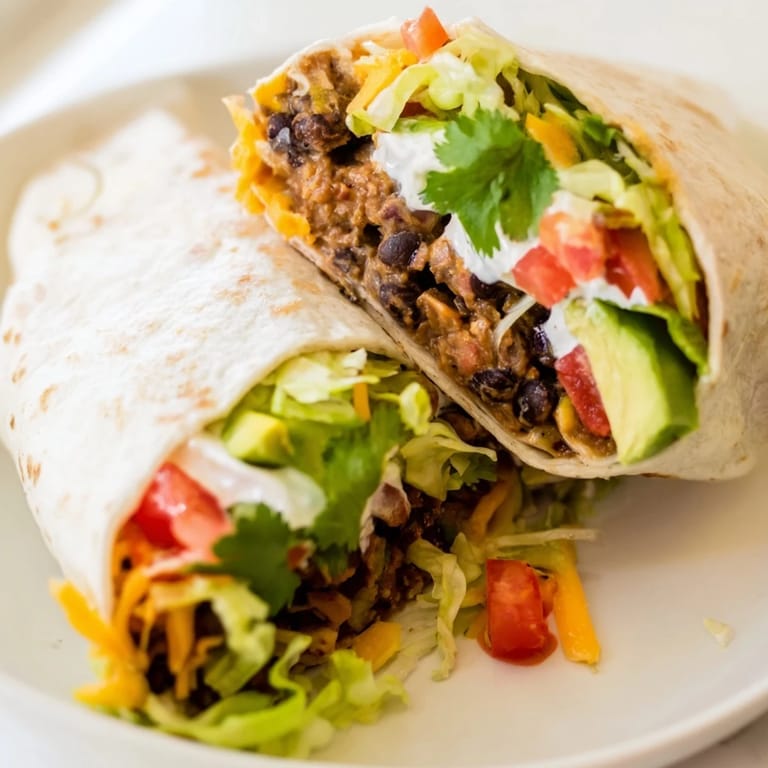
- Spread a generous layer of warm bean filling down the center of each tortilla, then add rice if you're using it, lettuce, tomatoes, cheese, a spoonful of sour cream, cilantro, and avocado slices. The order matters less than making sure you have room to roll.
- Roll tight and complete:
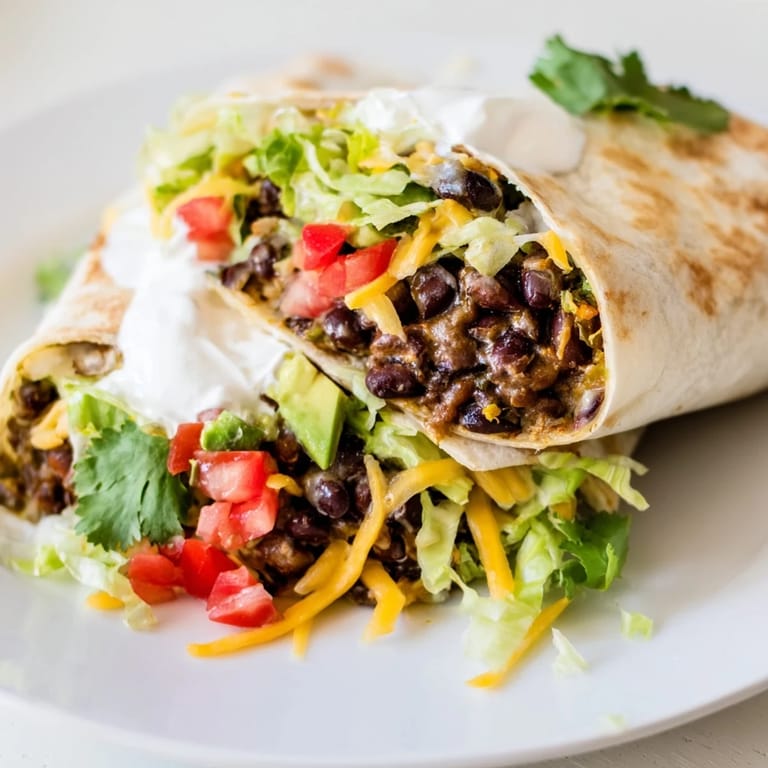
- Fold in the sides first, then roll away from you as firmly as you can without tearing the tortilla. If you want them crispy, place them seam-side down in a hot skillet for a minute per side—it creates this satisfying crust.
 Save to Pinterest
 These burritos have a way of becoming comfort food that doesn't feel lazy or heavy. They're the kind of meal you make for yourself on a random Thursday because you deserve something that tastes like it took effort, even though it didn't.
The Secret to Creamy Beans
The magic of this filling lives in that mashing step—it's not about pulverizing everything into submission. When you gently crush some of the beans while leaving others whole, you create this textured, naturally creamy base that coats your mouth in a way smooth bean paste never will. The first time I really understood this was when I made a batch without mashing and everything felt watery and sad. Now I mash maybe half the beans and leave the rest intact, and it transforms the whole experience into something that feels intentional and considered.
Why Smoked Paprika Changes Everything
There's a difference between a burrito that tastes good and one that makes you pause mid-bite because something just hit right. Smoked paprika is your secret weapon. It adds this depth that people can't quite name—they'll just say it tastes like something special. I learned this by accident when I was out of regular paprika and grabbed the smoked version instead, and now I can't imagine making these any other way. It's one of those ingredients that costs barely more but creates a completely different impression.
Customizing Your Perfect Burrito
The beauty of this recipe is how it bends to whatever you're craving or have on hand. You can add sliced jalapeños for heat, swap the brown rice for quinoa if you're looking for something lighter, or skip the rice entirely if you want to keep things simple. The core—those smoky beans, the fresh toppings, the cooling avocado—stays solid and forgiving. I've made these with roasted sweet potato, with cilantro lime rice instead of plain, even with a drizzle of hot sauce mixed right into the beans, and they've never disappointed.
- For extra heat, layer in sliced jalapeños or add a spoonful of hot sauce directly into the filling.
- If dairy isn't your thing, plant-based cheese and sour cream work just as well and don't make the burrito taste like a compromise.
- Grilling them seam-side down creates this beautiful texture contrast that takes them from weeknight dinner to something you'd be proud to serve guests.
 Save to Pinterest
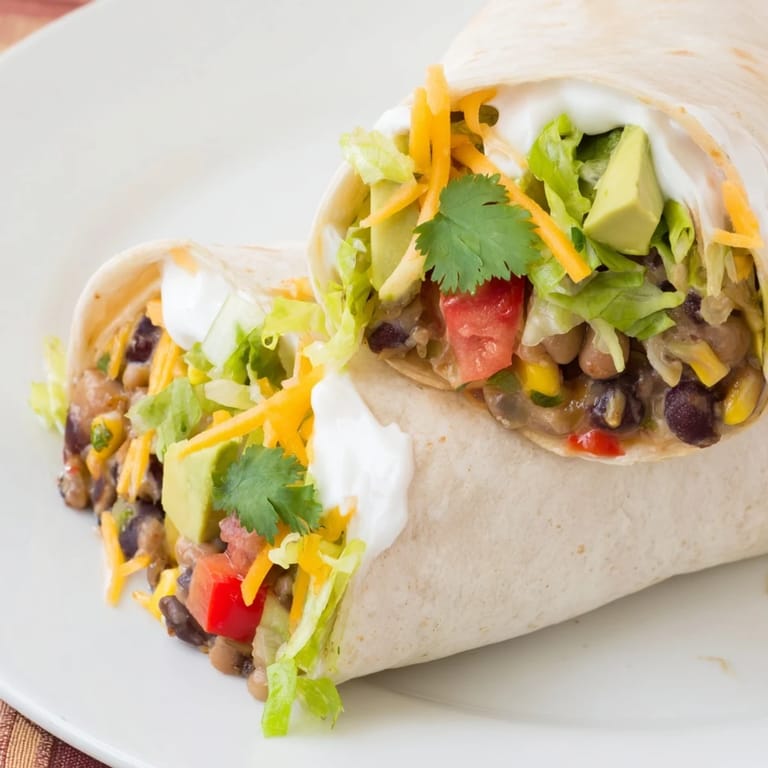
 These burritos sit at the intersection of healthy and indulgent, which is exactly where the best food lives. There's something deeply nourishing about eating something that fills you up without weighing you down, especially when it tastes this good.
Common Recipe Questions
- → How can I add extra heat to the filling?
Incorporate sliced jalapeños into the bean mixture or as a topping for a spicy kick.
- → What can I use instead of brown rice?
Quinoa can be used as a nutritious alternative, or omit grains entirely for a lower-carb option.
- → Can I make this dish vegan-friendly?
Yes, by using plant-based cheese and sour cream alternatives, the wrap becomes completely vegan.
- → How do I get a crispy exterior on the wrap?
After assembling, grill the burrito seam-side down in a skillet for 1–2 minutes until crisp.
- → Are there gluten-free options available?
Substitute the whole wheat tortillas with gluten-free versions to accommodate gluten sensitivity.