 Save to Pinterest
 There's something about the moment when roasted butternut squash hits a hot cheese sauce that makes you understand why autumn cooking exists. I discovered this dish almost by accident, standing in my kitchen with leftover roasted squash and the familiar craving for mac and cheese on a crisp October evening. The combination felt inevitable somehow, like it had always belonged together but nobody had bothered to introduce them until now. That first bowl changed how I thought about comfort food—it didn't have to choose between simple and sophisticated. It could be both.
I made this for friends on a Sunday when the temperature had just dropped enough to justify turning on the oven again. One of them took a bite and went quiet for a moment, which is never a good sign, except then she asked for the recipe with actual urgency. That's when I realized this wasn't just another mac and cheese variation—it was something that could convince people to rethink what they expected from a simple pasta dish.
Ingredients
- Elbow macaroni or small shells: Use 340 g (12 oz) for the perfect pasta-to-sauce ratio; the small shapes trap the creamy squash sauce beautifully.
- Butternut squash: Buy it already peeled if you're short on patience, or cube a whole one and roast it yourself for that deeper caramelized flavor.
- Olive oil, salt, and pepper: These three simple things transform raw squash into something golden and sweet during roasting.
- Unsalted butter and all-purpose flour: This is your roux base—don't skip the butter or rush the cooking, or your sauce will taste like flour soup instead of silk.
- Whole milk: Use 480 ml (2 cups) total; cold milk added slowly to a hot roux prevents lumps from forming.
- Sharp cheddar cheese: 120 g (1 cup) grated gives the sauce backbone; aged cheddar has more flavor than the mild stuff, and it matters here.
- Gruyère or fontina cheese: 60 g (1/2 cup) adds a nutty depth that elevates this beyond basic mac and cheese.
- Nutmeg: Just 1/8 tsp, but it's the secret ingredient that makes people pause and ask what you did differently.
- Dijon mustard: 1/2 tsp adds a subtle tang that brightens the whole sauce without making it taste like mustard.
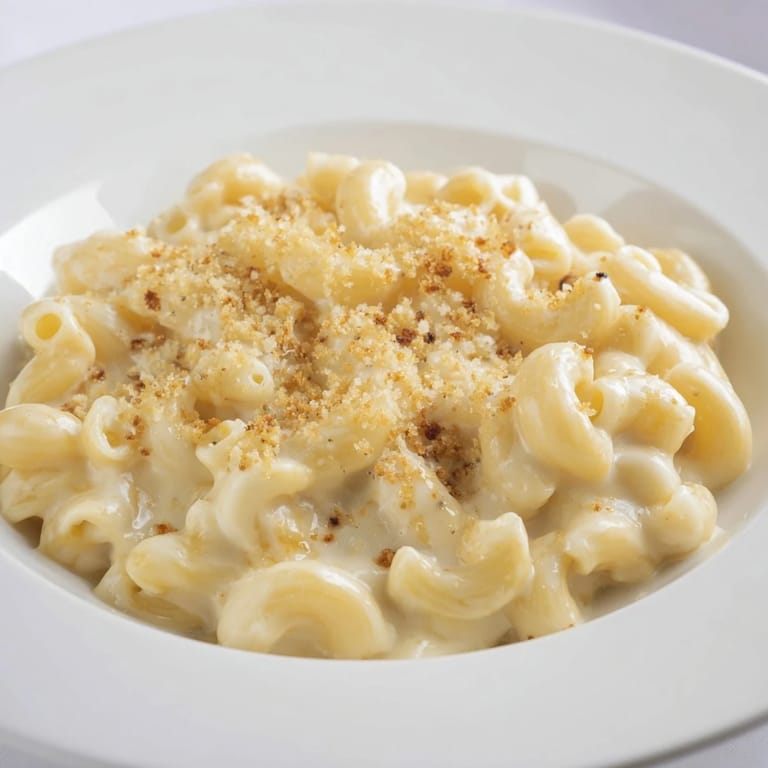
- Panko breadcrumbs (optional): 30 g (1/4 cup) mixed with melted butter creates that crispy, golden topping if you want to bake it.
Tired of Takeout? 🥡
Get 10 meals you can make faster than delivery arrives. Seriously.
One email. No spam. Unsubscribe anytime.
Instructions
- Roast your squash until it caramelizes:
- Preheat your oven to 200°C (400°F) and toss 500 g of butternut squash cubes with olive oil, salt, and pepper. Spread them on a baking sheet in a single layer and let them roast for 20–25 minutes until the edges turn golden and the insides are so tender they practically collapse when you touch them—this is when the natural sugars concentrate and everything tastes better.
- Cook the pasta while everything else happens:
- Bring a large pot of salted water to a boil and cook your pasta according to package instructions until it's al dente, meaning it still has a tiny bit of resistance when you bite it. Drain it and set it aside—don't rinse it because that starch is your friend later.
- Puree the roasted squash into something smooth:
- Once the squash is done roasting, throw it into a blender or food processor with 1/2 cup of milk and blend until you have a smooth, vibrant orange puree. This becomes the soul of your sauce.
- Build your roux without burning it:
- Melt 2 tbsp of butter in a large saucepan over medium heat, then stir in 2 tbsp of flour and cook for 1–2 minutes while stirring constantly until it smells nutty and looks like wet sand. This cooking step is crucial because raw flour tastes bitter.
- Whisk in the milk gradually until thick:
- Slowly pour in the remaining 1.5 cups of milk while whisking constantly to break up any lumps, and keep stirring for 3–4 minutes until the sauce thickens enough to coat the back of a spoon. This is where patience actually matters.
- Fold in everything that makes it special:
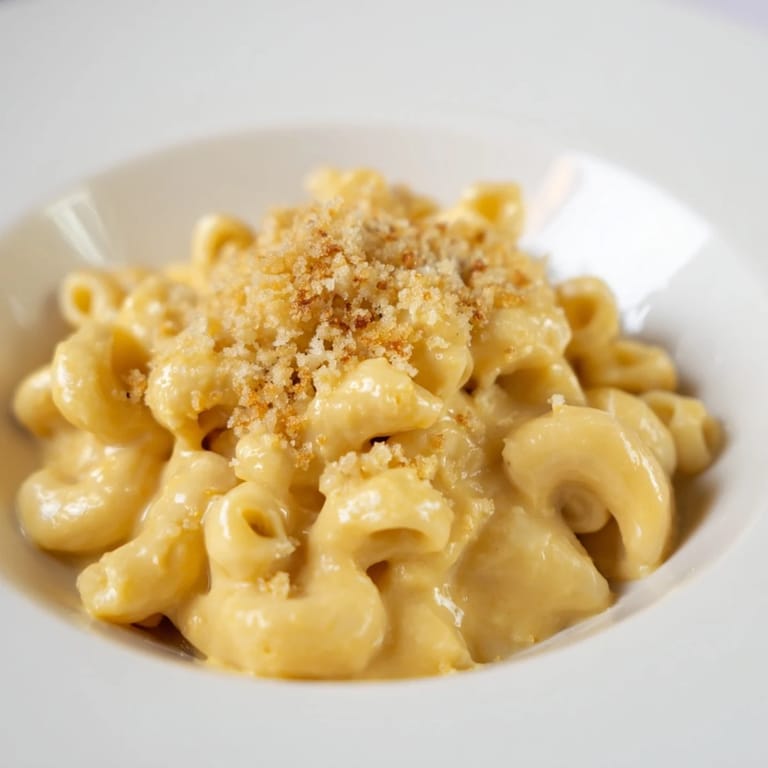
- Add your squash puree, the grated cheddar and Gruyère, along with 1/8 tsp of nutmeg and 1/2 tsp of Dijon mustard. Stir until the cheese melts completely and the sauce turns a beautiful creamy orange, then taste it and season with salt and pepper.
- Combine pasta with sauce until every piece is coated:
- Add your cooked pasta to the sauce and stir gently but thoroughly until every piece of pasta is wrapped in that creamy squash cheese sauce.
- Optional: make it crispy on top:
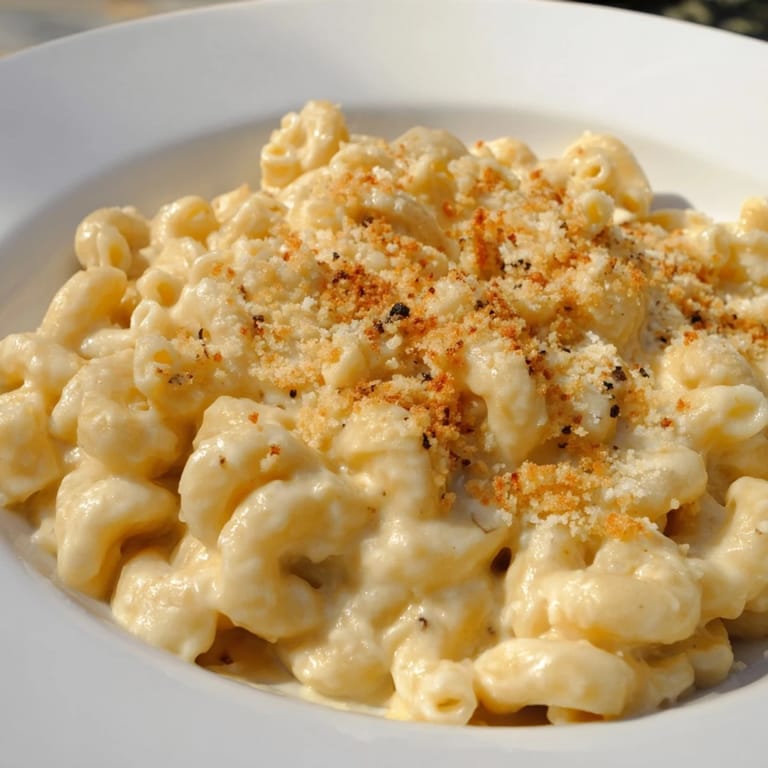
- Transfer everything to a lightly greased baking dish if you're feeling fancy, mix 30 g of panko with 1 tbsp of melted butter and 2 tbsp of grated parmesan, sprinkle it over the top, and broil for 2–3 minutes until it turns golden and crunchy.
- Serve it while it's still warm and glorious:
- Divide into bowls, garnish with extra cheese or fresh herbs if you have them, and eat it immediately because this is best when the sauce is still creamy and warm.
 Save to Pinterest
 The real moment this dish became irreplaceable happened when someone who usually picked around the vegetables at my table came back for seconds and thirds. They weren't eating it because it was healthy or clever—they were eating it because it made them genuinely happy, which is exactly what food should do.
Why This Works in Autumn
Something shifts in the kitchen when the weather turns cool and the squash section at the market suddenly looks abundant and demanding. This dish is like the edible version of that seasonal mood, combining the creamy indulgence we crave when it gets dark early with the natural sweetness of fall's most forgiving vegetable. The cheese sauce becomes a vehicle for the squash rather than a distraction from it, and that balance is what makes this feel different from the mac and cheese you've always known.
Making It Your Own
The base recipe is sturdy enough to handle your experiments, which is honestly one of my favorite things about it. I've added sautéed spinach or kale when I wanted to feel less guilty, stirred in crispy bacon when I wanted to make my friends very happy, and swapped the Gruyère for fontina when that's what I had on hand. None of those changes broke anything—they just shifted the personality of the dish slightly while keeping the core intact.
The Simple Math of Flavor
There's a reason this recipe uses both cheddar and Gruyère instead of just one cheese. Sharp cheddar brings familiarity and salt, while Gruyère adds a subtle nuttiness that makes people taste something they can't quite identify but absolutely appreciate. The nutmeg is barely perceptible until you taste it without nutmeg, at which point you realize how much it contributes to the whole experience. Small decisions compound.
- The Dijon mustard is your secret weapon—use good mustard and don't skip it even though the amount seems tiny.
- If you can't find Gruyère, fontina or even a good aged white cheddar works fine, but avoid mild cheddar which tastes like almost nothing.
- Fresh parmesan on the panko topping makes the broiled version taste restaurant-quality with zero extra effort.
 Save to Pinterest
 This is the kind of dish that makes you feel like you're doing something complicated when really you're just letting good ingredients do what they were meant to do together. Make it when you want people to feel taken care of.
Common Recipe Questions
- → What type of pasta works best for this dish?
Small pasta shapes like elbow macaroni or shells hold the sauce well, providing a balanced texture in every bite.
- → How do you achieve a creamy texture without lumps?
Puree the roasted squash until smooth before adding to the sauce, and whisk the milk and flour mixture continuously while cooking.
- → Can I make a crispy topping?
Yes, mixing panko breadcrumbs with melted butter and parmesan then broiling for a few minutes creates a golden, crunchy layer.
- → What cheeses work best for flavor?
Sharp cheddar offers boldness, while Gruyère or fontina adds richness and a mild nuttiness that complements the squash.
- → How can this dish be customized?
Try adding sautéed spinach or kale for greens, or incorporate cooked chicken or bacon for extra protein if desired.
- → What seasonings enhance the sauce?
A touch of nutmeg and Dijon mustard provides warmth and depth, balanced with salt and freshly cracked pepper.