 Save to Pinterest
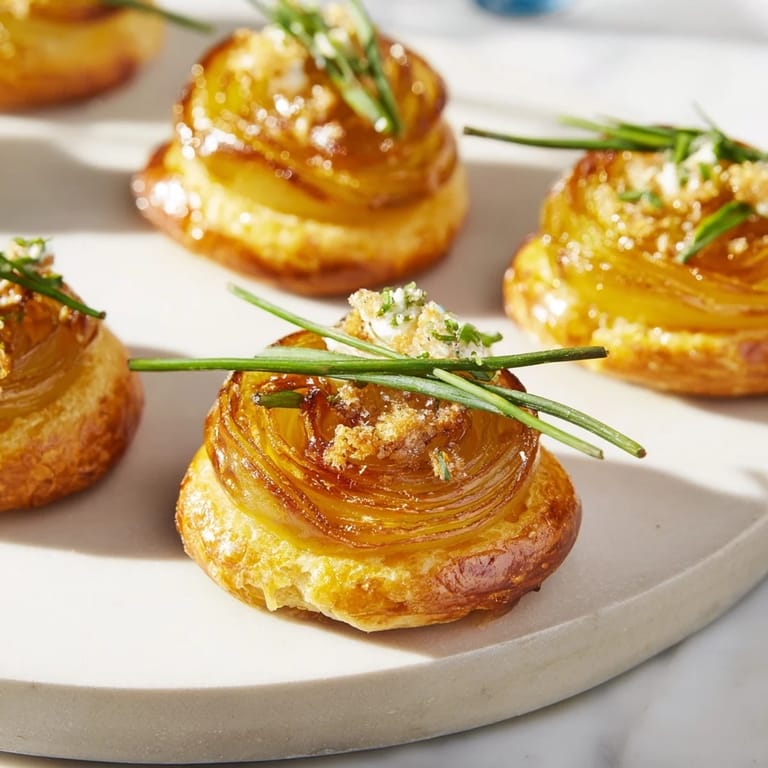
 I used to think caramelized onions were just an ingredient until I actually stood over a skillet for thirty minutes, watching them turn from sharp and pale to glossy and amber. The kitchen smelled like butter and patience, and I remember texting a friend halfway through asking if this was really necessary. It was. That tart came out of the oven golden and trembling, and I understood why French bakeries charge what they do.
I made this for a small dinner party once, and someone asked if I'd bought it from a bakery. I didn't correct them right away. The truth is, the hardest part is just standing there stirring onions while everyone else drinks wine in the other room. But when you set that tart on the table, still warm and fragrant, the kitchen suddenly feels like the best place you could have been.
Ingredients
- Puff pastry: Store bought works beautifully here, and I've stopped apologizing for it—just make sure it's fully thawed so it doesn't crack when you roll it.
- Yellow onions: They have the right balance of sweetness and sharpness, and they break down into silk when cooked low and slow.
- Butter and olive oil together: The oil keeps the butter from burning during the long caramelization, and the butter makes everything taste like you tried harder than you did.
- Sugar: Just a teaspoon coaxes out the onions' natural sweetness and speeds up the browning without making anything taste like dessert.
- Fresh thyme: It smells like a garden in Provence and clings to the onions in the best way, though dried works if that's what you have.
- Goat cheese: Crumbly and tangy, it melts just enough to blend with the custard but still holds its personality.
- Eggs and cream: This is what turns everything into a custardy filling that sets firm but stays creamy.
- Whole milk: Cuts the richness of the cream just slightly so the tart doesn't feel too heavy.
- Black pepper: Freshly ground makes a difference here, adding little bursts of heat that wake up the sweetness.
Tired of Takeout? 🥡
Get 10 meals you can make faster than delivery arrives. Seriously.
One email. No spam. Unsubscribe anytime.
Instructions
- Prepare the crust:
- Press the pastry gently into your tart pan, letting it drape naturally into the corners without stretching. Prick the base all over with a fork so it doesn't puff up like a balloon, then chill it while you deal with the onions.
- Caramelize the onions:
- Heat the oil in your largest skillet and add the onions in a heap—they'll shrink dramatically. Stir them every few minutes, letting them soften and collapse, then add the butter, sugar, salt, and thyme once they start to turn golden. Keep going until they're the color of dark honey and taste like candy.
- Make the custard:
- Whisk the eggs, cream, milk, pepper, and salt together until smooth and barely frothy. It should look like liquid velvet.
- Assemble the tart:
- Spread the cooled onions across the chilled pastry base in an even layer, then scatter the goat cheese over top. Pour the custard gently over everything, tilting the pan to fill in the gaps.
- Bake until set:
- Slide it into the hot oven and bake until the filling barely jiggles in the center and the edges turn golden. Let it cool for ten minutes before you try to slice it or the custard will spill everywhere.
- Garnish and serve:
- Scatter fresh chives or parsley over the top and add a few cracks of black pepper. Serve it warm or at room temperature, with nothing more than a simple salad.
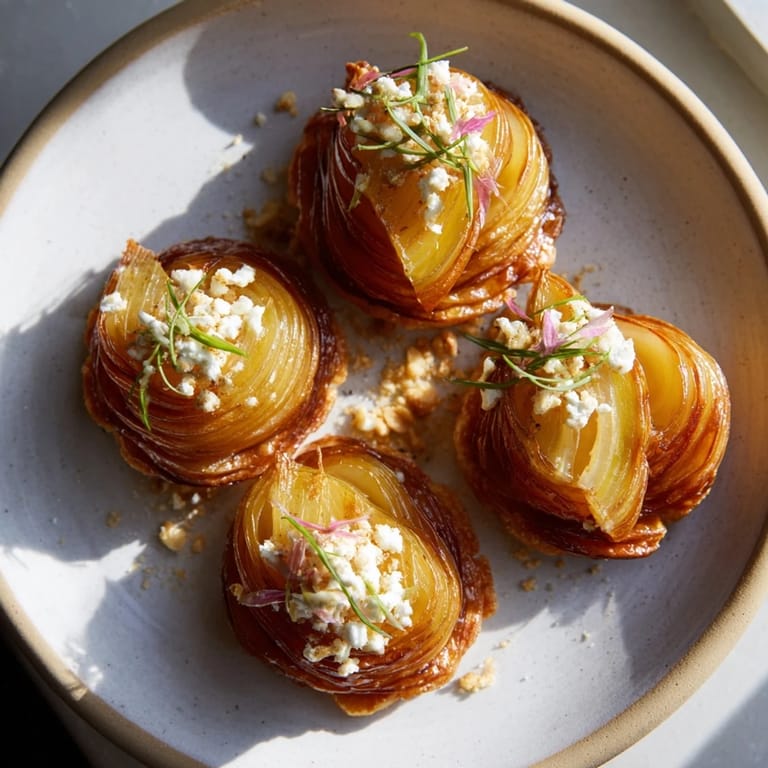 Save to Pinterest
 The first time I served this, someone asked for the recipe and I realized I'd been winging it. I had to recreate it twice just to write down what I'd done. Now it's one of those dishes I make when I want to feel capable, when I want the house to smell like something worth coming home to.
How to Store and Reheat
This tart keeps well in the fridge for up to three days, covered loosely with foil. I've eaten it cold for breakfast and reheated slices in a low oven until just warmed through. The pastry won't be as crisp the second day, but the flavors deepen and the goat cheese gets even creamier.
Flavor Variations to Try
A splash of balsamic vinegar stirred into the onions at the end adds a dark, tangy edge that makes the whole thing more complex. You can swap the goat cheese for crumbled feta if you want something saltier, or blue cheese if you're feeling bold. I've also added sautéed mushrooms or roasted red peppers when I had them on hand, and it always worked.
What to Serve Alongside
This tart shines with a crisp green salad dressed simply in lemon and olive oil, maybe with some peppery arugula or butter lettuce. A chilled Sauvignon Blanc or a dry rosé feels right, though I've also served it with sparkling water and no one complained.
- Pair with a light soup like roasted tomato or butternut squash for a cozy lunch.
- Serve it as an appetizer cut into small wedges before a bigger meal.
- It's also lovely on a brunch table next to fresh fruit and good coffee.
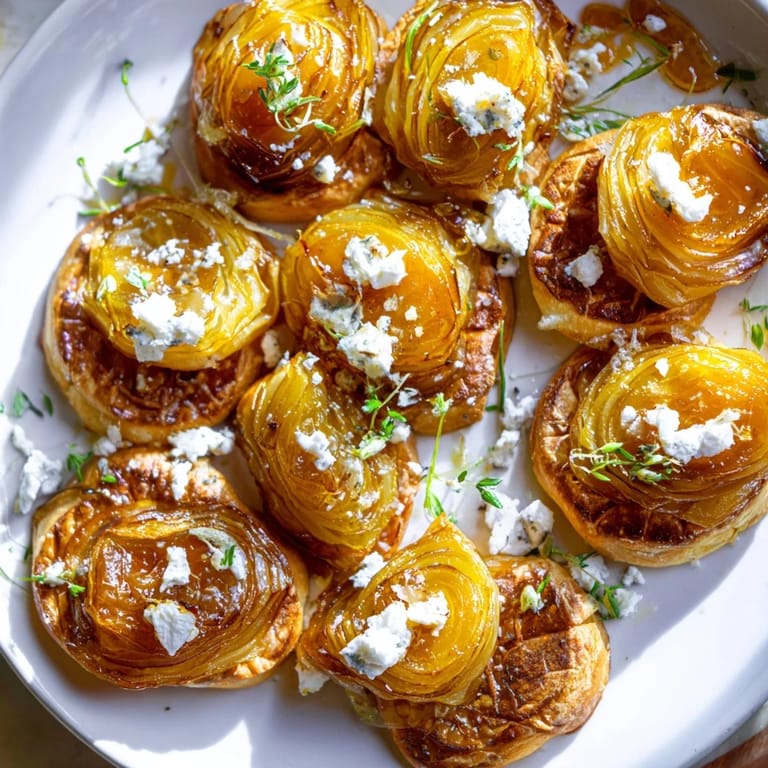 Save to Pinterest
 There's something quietly satisfying about pulling a tart like this from the oven, knowing you took the time to do it right. It's the kind of dish that makes ordinary days feel a little more intentional.
Common Recipe Questions
- → How do I caramelize the onions properly?
Cook sliced onions slowly over medium heat with olive oil and butter, stirring occasionally until they turn deep golden brown, which takes about 25-30 minutes.
- → Can I use a different cheese instead of goat cheese?
Yes, feta or blue cheese can be used as alternatives to add different flavor profiles while maintaining a creamy texture.
- → What pastry works best for this tart?
Ready-rolled puff pastry provides a flaky crust, but homemade shortcrust pastry is also excellent for a sturdier base.
- → How should this tart be served?
Serve warm or at room temperature, garnished with fresh chives or parsley, alongside a crisp green salad or light white wine.
- → Is there a way to enhance the onion flavor?
Adding a splash of balsamic vinegar during the last few minutes of cooking the onions intensifies their sweetness and depth.