 Save to Pinterest
 My neighbor Maria handed me a slice of this pie one Easter morning, still warm from her kitchen, and I understood immediately why her family had been making it for generations. The first bite was pure silk—creamy ricotta kissed with bright lemon, wrapped in pastry that shattered like spun sugar. She laughed when I asked for the recipe, saying every Italian grandmother guards hers like a secret, but she trusted me enough to share. That afternoon, flour dusting my apron and the scent of lemon zest filling my kitchen, I realized this wasn't just dessert—it was an invitation into something timeless.
The first time I made this for my book club, I was nervous about the filling—would it set right, would it be too custard-like, too stiff? But pulling it from the oven and seeing that perfect gentle jiggle in the center, watching my friends' faces light up as they tasted it, made every minute of doubt disappear. Someone asked if I'd been trained as a pastry chef, and I just smiled, thinking of Maria and how recipes carry stories across tables and years.
Ingredients
- All-purpose flour: The foundation of your pastry, and cold hands matter more than technique here—you're creating tiny pockets of butter that steam as they bake, giving you that tender, shattered texture.
- Unsalted butter, cold and cubed: This is non-negotiable; warm butter will betray you with a dense crust, so pull it straight from the fridge and work quickly.
- Whole milk ricotta cheese, well drained: The star of everything, and draining it matters because excess moisture will make your filling watery and sad—strain it through cheesecloth if your ricotta seems wet.
- Lemon zest: Use a Microplane and zest directly over your filling bowl so you capture every oil; the zest is where the brightness lives.
- Heavy cream: This keeps the filling from becoming grainy and adds a subtle richness that makes people ask what's in it.
- Eggs: They're your binder, so use room temperature eggs if you remember—they incorporate more smoothly.
Tired of Takeout? 🥡
Get 10 meals you can make faster than delivery arrives. Seriously.
One email. No spam. Unsubscribe anytime.
Instructions
- Make your pastry dough:
- Combine flour, sugar, and salt, then work cold butter in with your fingertips until it looks like breadcrumbs with some pea-sized bits still visible. Add egg, yolk, and vanilla, then sprinkle water in gradually—you want the dough to just barely hold together, still slightly shaggy.
- Chill the dough:
- Shape it into a disk, wrap it, and let it rest in the fridge for at least 30 minutes; this relaxes the gluten and makes rolling easier and less likely to shrink in the pan.
- Prepare your pan:
- Preheat your oven to 350°F (175°C) and grease a 9-inch pie or tart pan lightly. On a floured surface, roll the dough to about 1/8-inch thickness and gently press it into the pan, letting it drape naturally up the sides.
- Blind bake begins:
- Trim any excess dough hanging over the edges, prick the base all over with a fork to prevent puffing, and chill for 10 minutes while you prepare the filling.
- Build your filling:
- In a large bowl, whisk together drained ricotta, sugar, eggs, vanilla, lemon zest, lemon juice, flour, salt, and heavy cream until completely smooth and no lumps remain. This should look like soft custard.
- Fill and bake:
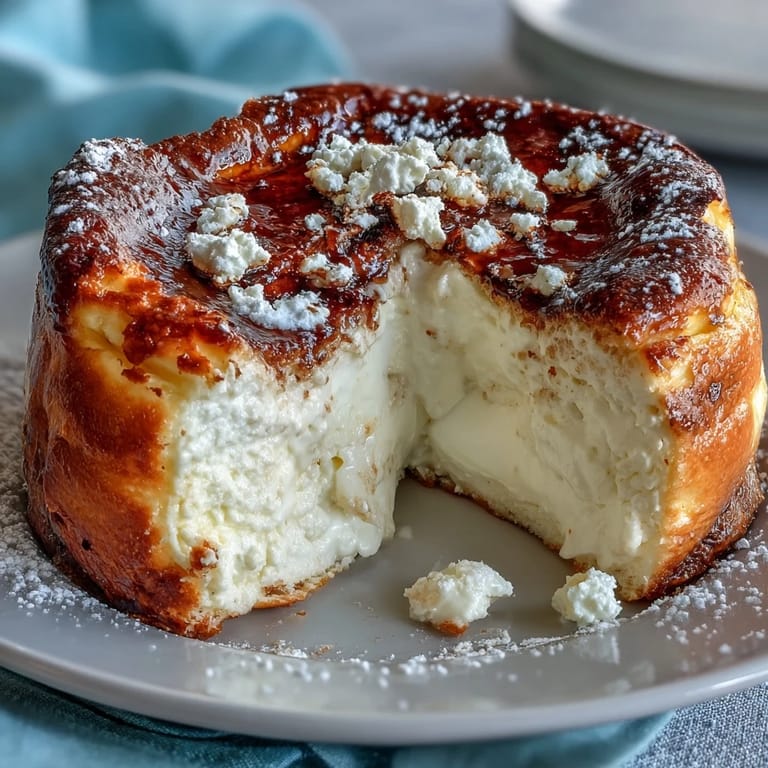
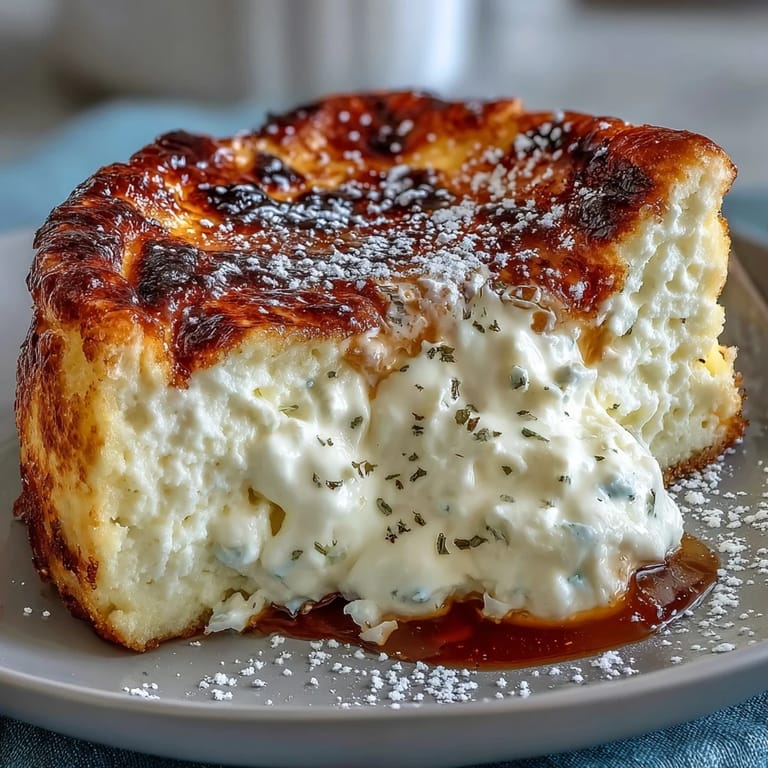
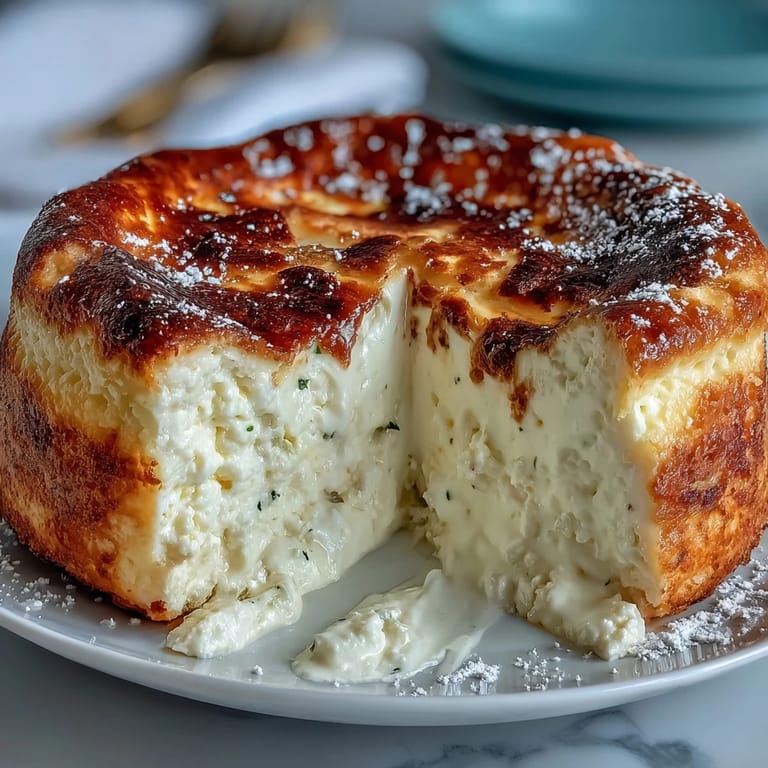
- Pour the filling into the chilled pastry shell and smooth the top gently. Bake for 55 to 60 minutes until the filling is set around the edges but has just a slight wobble in the very center—that wobble means it'll be creamy inside when cool.
- Cool with patience:
- Let the pie cool completely on a wire rack at room temperature, then chill it in the refrigerator for at least 2 hours before slicing. This wait is crucial; it lets everything set properly and makes serving cleaner.
- Finish and serve:
- Just before serving, dust generously with powdered sugar for that final touch of elegance.
 Save to Pinterest
 Years later, my daughter made this pie for the first time, and watching her brush powdered sugar over the top with the same quiet satisfaction I'd learned from Maria, I understood that some recipes become more than instructions. They become conversations between generations, small acts of care baked into every slice.
The Pastry Secret
The texture of your crust depends entirely on respecting the cold butter and not overworking the dough. I learned this the hard way when I tried to make the dough in a food processor, thinking it would be faster—instead, I got a tough, dense crust that made the whole experience less magical. Now I always use my fingertips, feeling for that moment when the butter pieces are still visible but the flour is distributed. It's actually faster than you'd think, and your hands feel connected to the process in a way machinery never allows.
Lemon Zest Matters More Than You Think
The difference between a good ricotta pie and an extraordinary one comes down to how much fresh lemon brightness cuts through the richness. If you use bottled lemon juice, it tastes adequate but flat, like you're eating a very good filling instead of experiencing a flavor moment. Fresh zest and juice together create complexity—the oils in the zest add something aromatic that changes everything. Some people add orange zest too, and they're not wrong, but I'm loyal to the purity of lemon because Maria was, and it never disappoints.
Storing and Serving
This pie actually tastes better the day after baking, when the flavors have melded and the texture is perfect throughout. Keep it covered in the refrigerator for up to three days, and it travels well to potlucks if you're careful with it. Room temperature or chilled, it's equally lovely, though I always prefer it cold on a warm spring day.
- If the crust begins to brown too much before the filling is set, drape foil loosely over the top during the last 15 minutes of baking.
- You can make this up to a day ahead and chill it, making it ideal for Easter gatherings when your oven and nerves are already stretched thin.
- Leftover slices freeze beautifully for up to a month—just wrap individual pieces in plastic wrap for perfect late-night moments of bliss.
 Save to Pinterest
 There's something deeply satisfying about pulling a golden, fragrant pie from the oven and knowing you've created something that belongs at a celebration. Share it with people you want to remember.
Common Recipe Questions
- → How do you achieve a tender pastry crust?
Use cold unsalted butter cut into the flour and handle the dough lightly to prevent gluten development, chilling it before rolling out.
- → What gives the filling its bright flavor?
Fresh lemon zest and lemon juice add vibrant citrus notes that balance the richness of the ricotta and cream.
- → How can I tell when the pie is properly baked?
The filling should be set with a slight wobble in the center and a lightly golden top after baking 55–60 minutes at 350°F.
- → Can this dish be adapted for dietary restrictions?
You can substitute gluten-free flour for the crust and use dairy alternatives if needed, but this will alter the texture.
- → What is the best way to serve this dessert?
Chill the pie completely before slicing and dust with powdered sugar. Garnish with fresh berries for a festive touch.
- → How long should the pie be chilled before serving?
Chilling for at least 2 hours helps the filling set fully and improves slicing.