 Save to Pinterest
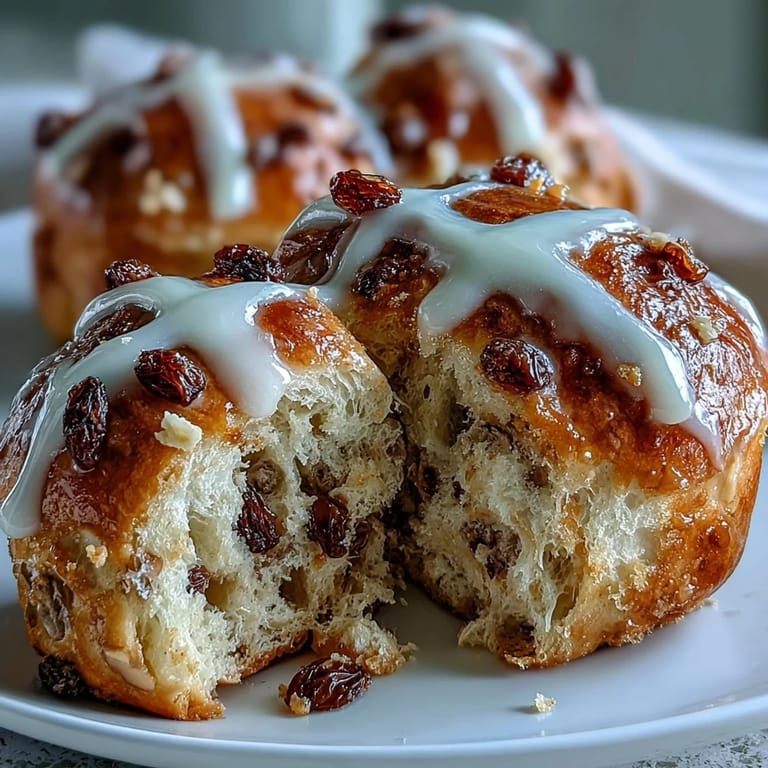
 The first time I tried making hot cross buns from scratch, the scent of spices wafted through my flat, immediately making the space warmer and brighter than the gloomy weather outside. Kneading the dough on a drizzly Sunday, I couldn't help grinning at the sticky fingers and flour cloud billowing with every enthusiastic thump. My partner wandered in, drawn by the cinnamon in the air, and ended up helping me shape lopsided buns—some more misshapen than others. The anticipation built as the buns puffed heroically on the tray, and the finishing touch—glossy apricot glaze—felt like a baker’s secret handshake. Biting into a still-warm bun, cross gleaming, was a tiny triumph in the middle of the week.
The year my cousin visited for Easter, we made these buns while telling old family stories—her laughter echoing louder than the mixer. When I pulled the tray from the oven, the impatient little ones hovered, noses pressed to the counter, convinced that glaze was the best part. I’ll never forget how everyone argued over who got the first glossy bun, or how the kitchen somehow felt fuller and friendlier with a plate of these on the table.
Ingredients
- Bread flour: Such a sturdy base, it gives each bun a wonderfully chewy, satisfying texture—don’t swap for plain flour if you want bakery-level fluffiness.
- Granulated sugar: Brings a gentle sweetness without overwhelming the signature spices; use superfine if you want it to dissolve even more easily.
- Active dry yeast: Vital for that lovely rise; sprinkle it right into the dry mix to keep things simple.
- Salt: Just the right amount keeps everything balanced and teases the spiced flavors forward.
- Ground cinnamon, nutmeg, and allspice: The holy trinity for classic hot cross buns, and if you love extra warmth, try a smidge more nutmeg next time.
- Whole milk, lukewarm: Helps the dough get tender; if it's too hot, it can kill the yeast, so aim for pleasantly warm, never steaming.
- Unsalted butter, melted: Makes each bite soft and rich; let it cool a little so it doesn't scramble the eggs.
- Eggs, room temperature: Bind the dough and add depth, so start them out on the counter while prepping other ingredients.
- Raisins or currants: Little bursts of juiciness throughout—if yours are dry, soak them in warm water first for a plumper result.
- Zest of 1 orange (optional): Adds subtle brightness that makes everyone ask, 'What’s your secret?'
- All-purpose flour (for the cross paste): Keeps the traditional look classic and the crosses visible after baking—don’t overdo the water or it’ll run.
- Apricot jam or honey (for glaze): Turns the buns shiny and irresistible; straining the jam first makes glazing a breeze.
Tired of Takeout? 🥡
Get 10 meals you can make faster than delivery arrives. Seriously.
One email. No spam. Unsubscribe anytime.
Instructions
- Mix the dry:
- Tip your flour, sugar, yeast, salt, and all those aromatic spices into the biggest bowl you own and whisk until the aroma fills your kitchen and the spices look evenly flecked.
- Add the wet:
- Pour in the milk, melted butter, and eggs, then mix until a sticky dough forms—don’t worry if it’s messy, that’s just right!
- Knead with gusto:
- Knead by hand or with your mixer for 8–10 minutes until the dough is smooth and elastic—you’ll feel it change under your hands, bouncy and soft like a marshmallow.
- Fold in the fruit:
- Scatter in the raisins (and orange zest if you're feeling fancy) and knead gently just until they’re tucked everywhere—watch for any raisins trying to escape.
- First rise:
- Coat a bowl with a dab of oil, drop in your dough, cover, and set somewhere warm for about an hour, dreaming of fresh bread as it doubles in size.
- Shape your buns:
- Punch the dough down (so satisfying), divide into 12, and roll each into a plump ball before nestling them onto a parchment-lined tray.
- Second rise:
- Drape a clean towel over the buns and let them puff up for another 45 minutes—they should look chubby and cheerful.
- Piping the crosses:
- Mix flour and water into a thick paste, then pipe neat crosses over each bun—perfection is overrated, so have fun with it.
- Bake:
- Let the buns bake at 375°F (190°C) for 20–25 minutes, filling your kitchen with that unmistakable toasty, spicy smell.
- Glaze while hot:
- Heat the jam or honey until runny, and brush generously over the warm buns for a beautiful, shiny finish.
- Cool just enough:
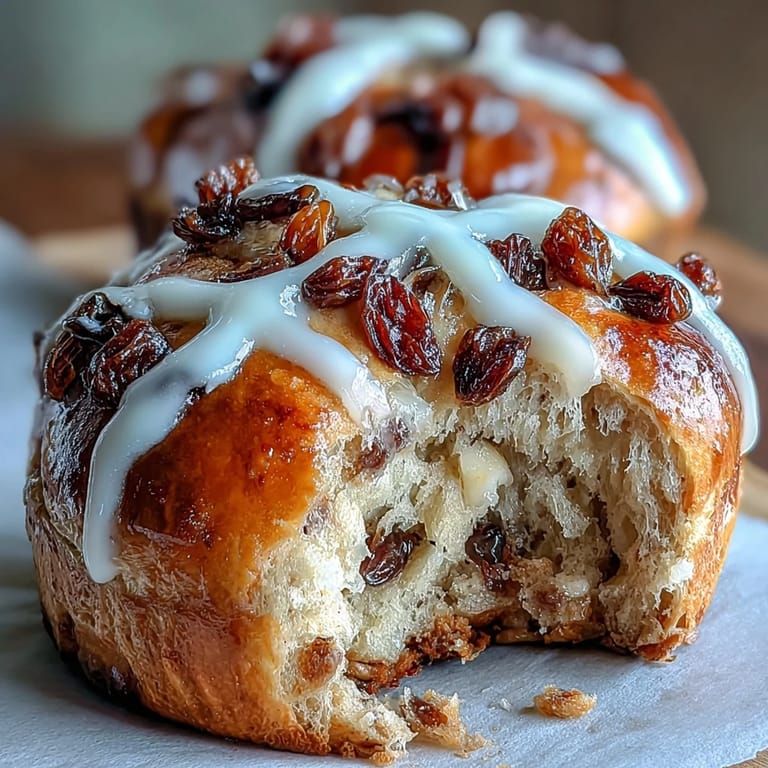
- Wait until they’re just cool enough to handle (the hardest part), then tear one open and enjoy with a smear of butter.
 Save to Pinterest
  Save to Pinterest
 There was a moment last spring when a friend stopped by unannounced, and the two of us ended up tearing into hot cross buns over coffee, trading news and stories as the world outside faded away. Sometimes all it takes is golden bread and a few laughs for a simple afternoon to stick in your memory forever.
Making Your Kitchen Smell Like a Bakery
Warm spices combined with rising bread is a scent that turns a house into a home—the kind that even neighbors might comment on over the fence. Every time I stir cinnamon, nutmeg, and allspice into the dough, I’m tempted to double the batch just for the aroma alone.
What To Do With Leftovers
If you’re lucky enough to have extra buns, try splitting and toasting them the next day—slathered with butter or a swipe of jam, they taste almost better than fresh. For any that last longer, freezing in a sealed bag keeps them bouncy for another weekend breakfast.
Small Surprises Every Time
No two batches ever look quite the same, and that’s exactly the charm—sometimes a cross drips or a bun leans sideways, and it always adds personality. The best are the ones that make someone reach for seconds before they’re even cool.
- If you want a sharper orange flavor, add extra zest right at the end of kneading.
- Switch up the dried fruit if you’re feeling adventurous—apricots and cranberries both work.
- Remember to snatch one while it’s still warm for maximum joy.
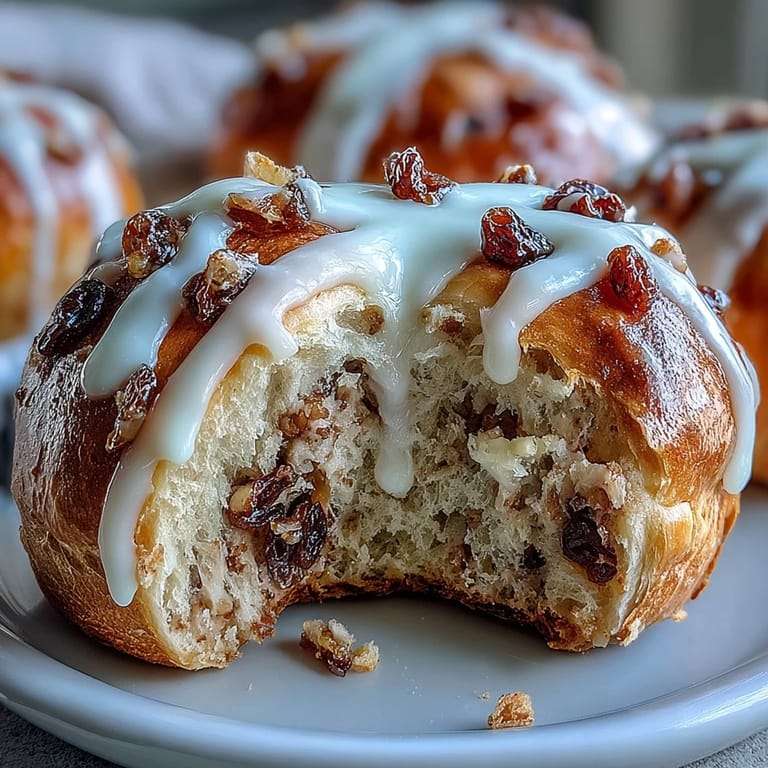 Save to Pinterest
 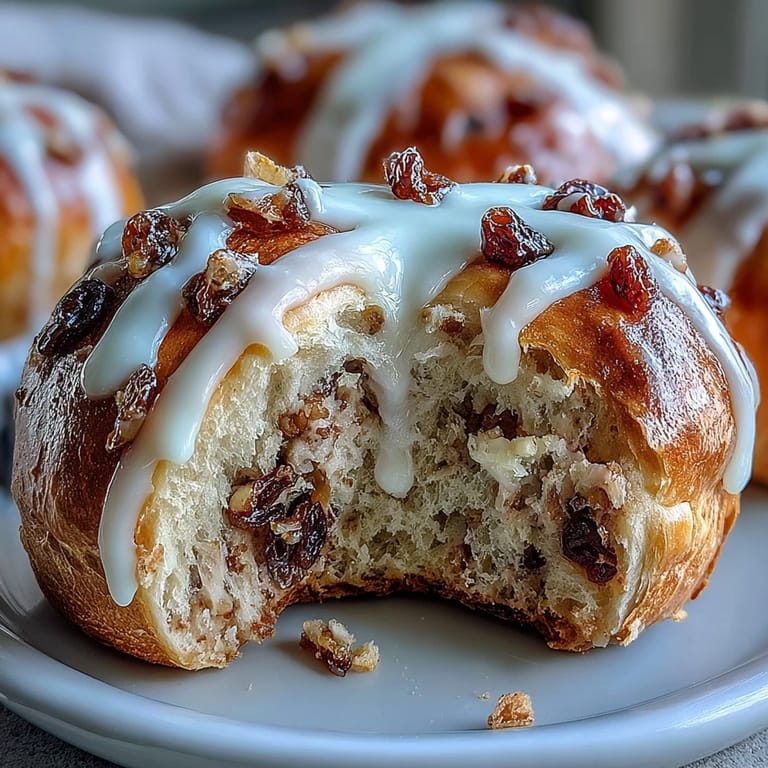 Save to Pinterest
 Baking hot cross buns is a gentle act with a big reward—whether you share them fresh or savor one solo, the comfort they bring lingers long after the last crumb.
Common Recipe Questions
- → Can I swap raisins for other dried fruit?
Yes. Substitute half or all of the raisins with chopped dried apricots, cranberries, or currants for a brighter flavor and texture variation. Rehydrate larger dried fruits briefly if they seem too dry before mixing in.
- → How can I tell when the dough is properly kneaded?
The dough should be smooth and slightly tacky but not overly sticky. It will pass a light windowpane test—stretch a small piece thinly without tearing—to indicate good gluten development for a soft, airy crumb.
- → What’s the best way to get a shiny glaze?
Heat apricot jam or honey with a tablespoon of water and strain if needed. Brush the buns while still hot from the oven so the glaze melts in and produces a glossy, sticky finish.
- → How long should the buns rise before baking?
Allow the bulk dough to rise until doubled, about 1 hour, then shape and let the buns proof for around 45 minutes until puffy. Temperatures around 75–80°F (24–27°C) give consistent results.
- → Can I freeze the buns?
Yes. Freeze fully cooled buns in an airtight container or bag for up to 2 months. Reheat from frozen in a low oven until warmed through, then brush with warmed jam or honey to refresh the glaze.
- → How do I prevent the crosses from melting or spreading during baking?
Make the cross paste fairly thick and pipe it onto well-proofed but not overproofed buns. If the paste is too loose, it will spread; if it's too stiff, it may crack—aim for a pipeable, toothpaste-like consistency.