 Save to Pinterest
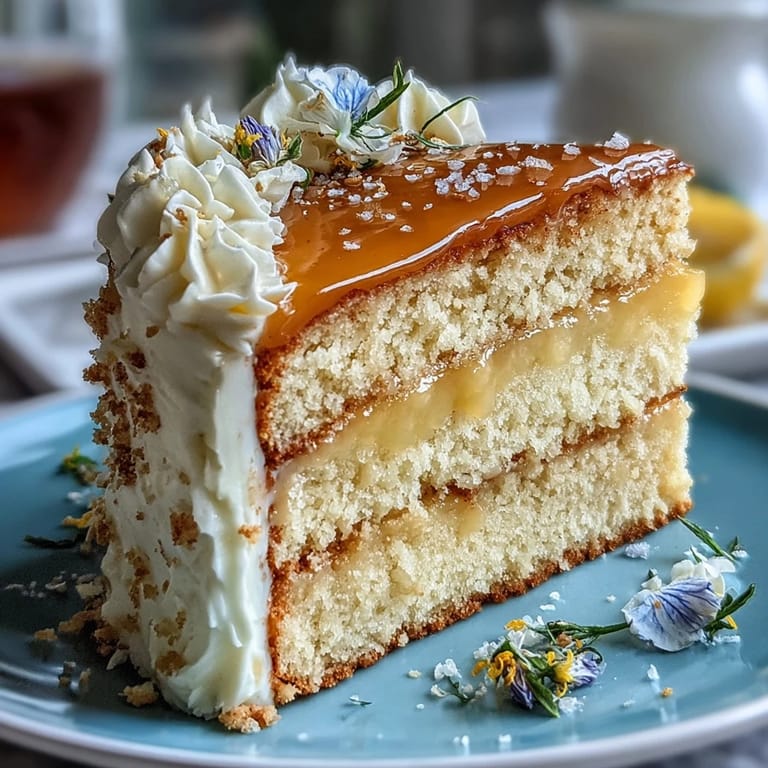
 The scent of grated lemon zest has a habit of sneaking up and filling my kitchen before I even realize it. It’s not always a big celebration—sometimes it’s just a quiet afternoon, windows cracked open and sunlight slanting across the counter, when I find myself craving something bright and special. The first time I set out to make a lemon curd layer cake, I underestimated what a little citrus could do. After splattering myself with a bit of batter and licking fingers sticky with curd, I was hooked on both the flavors and the hands-on fun of assembling such a pretty cake. Decorating with edible flowers makes it feel almost too lovely to slice, but the real joy is sharing it, petal by petal, with those who matter most.
Last Mother’s Day, my sister and I whispered over the mixing bowls, giggling about how we were getting flour everywhere as we tried to avoid Mom discovering her surprise. We snuck blooms from the garden for decoration and laughed when we realized the whipped cream left faint swirls on our noses. Somehow, those little goofs made the finished cake even sweeter. The smiles when we brought it to the table, bursting with color and scent, turned a simple dessert into a family memory. Now, no special occasion feels complete without a cake dressed up in edible flowers and lemony layers.
Ingredients
- All-purpose flour: Provides the cake’s structure; I always aerate it with a quick toss before measuring for a fluffier crumb.
- Baking powder and baking soda: Pay careful attention to measuring these—too much can give a chemical taste; they help the layers rise softly.
- Salt: Even just half a teaspoon amplifies all the flavors and balances sweetness.
- Unsalted butter: Let it come to room temperature for easy creaming; cold butter will make the mixture lumpy.
- Granulated sugar (for cake and curd): Gives structure and sweetness to both the sponges and lemon curd—using fine sugar helps it dissolve smoothly.
- Eggs: Room temperature eggs blend best and make the cake batter silky; for the curd, constant stirring is key to a luxuriously smooth texture.
- Lemon zest and juice: Fresh lemons make all the difference; their zest infuses everything with fragrance, while juice sharpens the flavor.
- Vanilla extract: A splash connects the bright citrus to the creamy notes in the batter.
- Whole milk: Room temp milk prevents the batter from curdling and keeps the cake tender.
- Powdered sugar (for frosting): Dissolves quickly, helping the whipped cream hold gentle, sweet peaks without grittiness.
- Heavy cream: Needs to be very cold for stable, fluffy frosting—sometimes I even chill the bowl and beaters.
- Assorted edible flowers: Only use flowers you’re certain are safe and pesticide-free; a handful transforms the cake into a spring centerpiece.
Tired of Takeout? 🥡
Get 10 meals you can make faster than delivery arrives. Seriously.
One email. No spam. Unsubscribe anytime.
Instructions
- Prep Your Pans:
- Preheat your oven and line the cake pans with parchment, pressing each into the corners so your cakes release with a gentle nudge later.
- Whisk Dry Ingredients:
- Inhale the nutty notes of flour and baking powder as you whisk—this will help the cake rise evenly and prevent lumps down the line.
- Cream Butter & Sugar:
- Use your mixer to whip butter and sugar into a pale and fluffy cloud; listen for the soft tapping of sugar crystals breaking down.
- Add Eggs & Flavor:
- Add eggs one at a time (try not to rush, I always do), then stir in the bold lemon zest, tart juice, and a swirl of vanilla.
- Combine Batter:
- Add flour in thirds, alternating with milk, folding gently so your cake stays light—resist the urge to overmix.
- Bake the Cakes:
- Divide the mixture and smooth the tops before baking; watch for golden edges and use the classic toothpick test for doneness.
- Cool Completely:
- Let the cakes rest briefly in their pans, then tip out onto racks—feel the warmth fade under your palms as you wait.
- Make Lemon Curd:
- Whisk eggs, sugar, zest, and juice in a saucepan, stirring as it thickens and coats your spoon—swirl in butter for silkiness, then chill.
- Whip the Cream:
- Beat cold cream with powdered sugar and vanilla until it forms pillowy peaks—avoid overbeating or you’ll edge toward butter.
- Assemble the Layers:
- Layer cake, whipped cream, and generous dollops of curd—each time, press lightly to keep the layers even and neat.
- Decorate and Serve:
- Frost the whole cake with more whipped cream, then let yourself get playful arranging edible flowers just before serving.
 Save to Pinterest
  Save to Pinterest
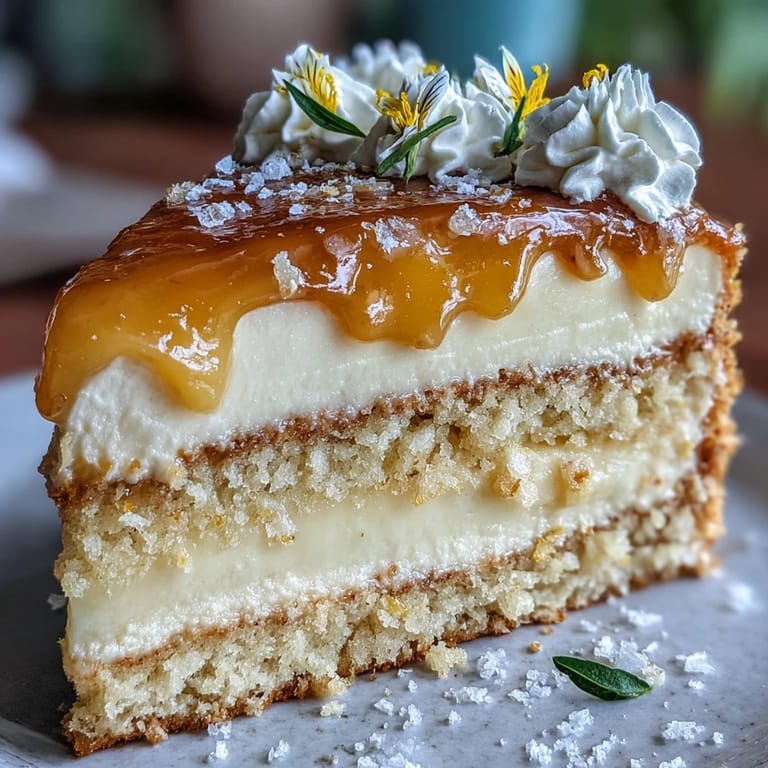
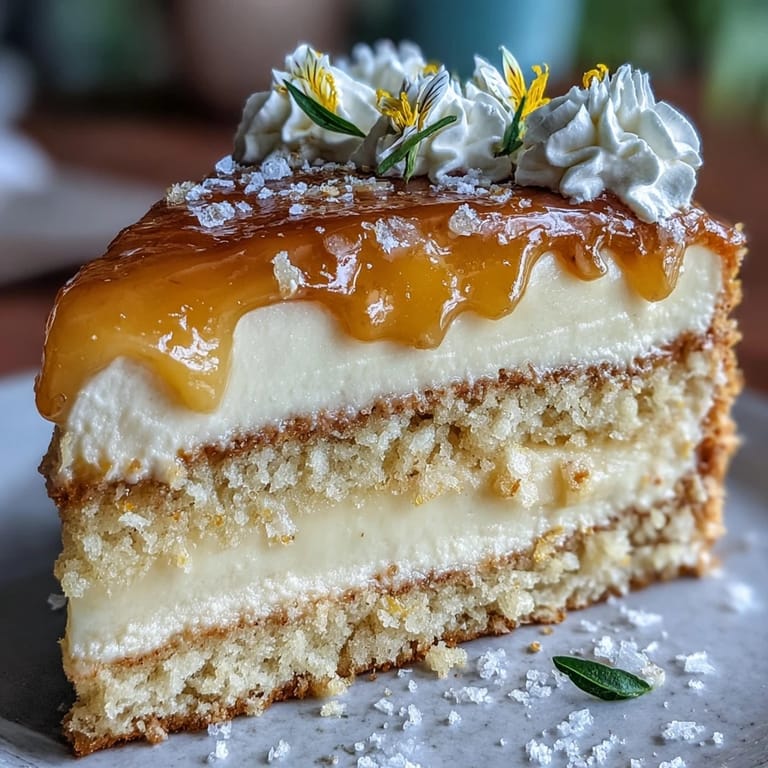
 The first time a friend cut into this finished cake and paused to admire the swirled lemon curd between each layer, I caught myself grinning at the joy we squeezed into every bite. In that quiet moment, the dessert felt less like a recipe and more like a little masterpiece we’d created together—one forkful at a time.
Flower Power: Tips for Decorating with Edible Blossoms
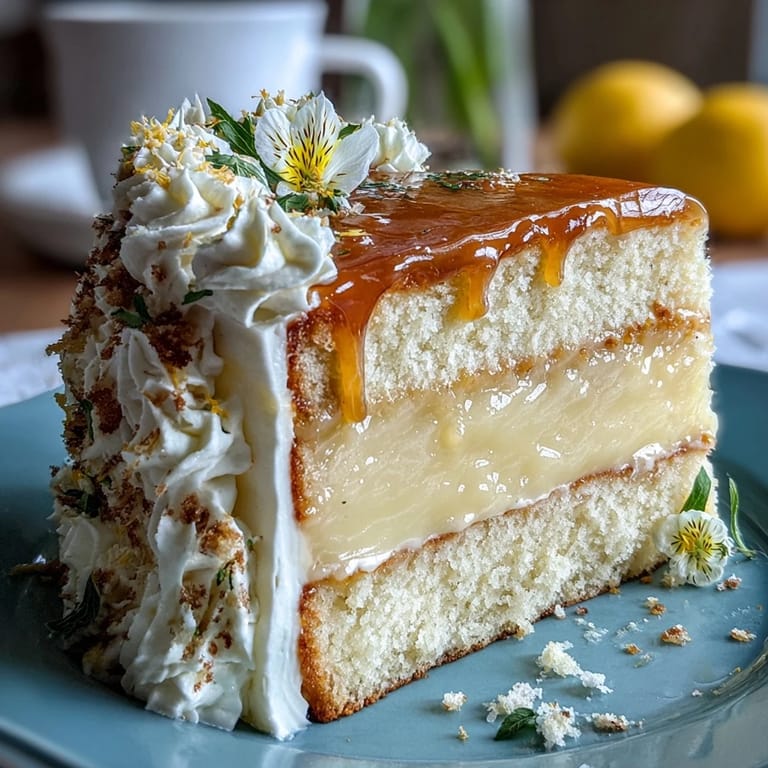
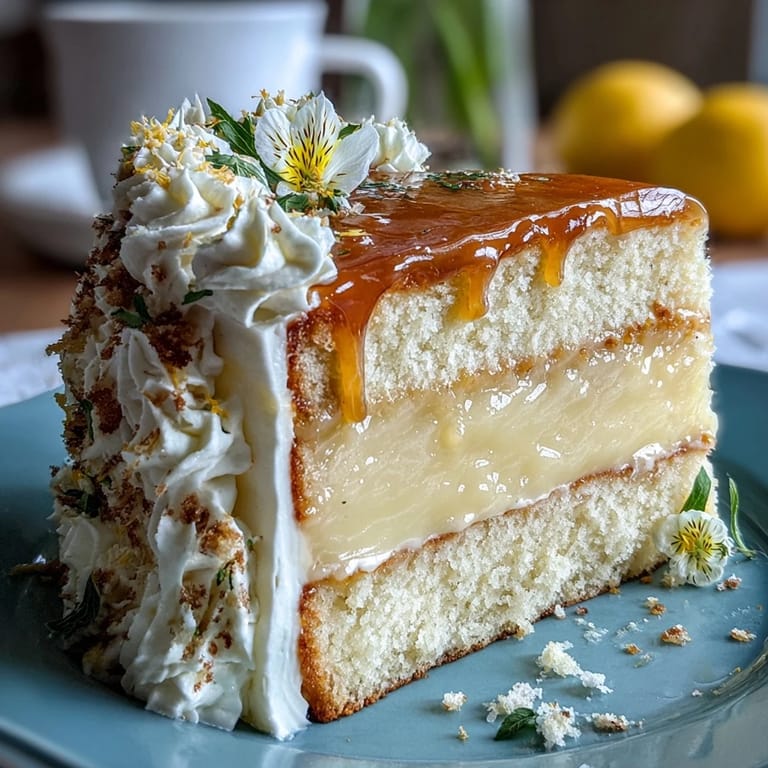
Choosing edible flowers turned me into a botanist for a day—each one brings its own pop of color and subtle flavor, and arranging them is as calming as painting. Lightly press petals onto fresh cream just before serving, so they stay perky and vivid. Always rinse and dry them gently with a paper towel before using to remove any dust. Over time, I found that small clusters work better than trying to blanket the top, and mixing sizes adds a natural, wild look. Don’t be afraid to let a blossom or two tumble onto the plate—it adds just the right amount of whimsy.
Making Lemon Curd Less Scary
At first, I found lemon curd intimidating—visions of lumps and curdled eggs haunted me. But I discovered if you whisk constantly and keep the heat low, it transforms into a thick, glossy spread right before your eyes. Using a heat-proof spatula lets me sweep every edge of the pan, ensuring no streaks of cooked egg escape. Making it ahead of time is a game changer, since chilled, set curd spreads cleanly and stays put between layers. For extra zing, I sometimes sneak in a pinch more zest at the end.
What to Do with Leftovers
If there’s any cake left (there rarely is), the flavors intensify beautifully overnight—just store it in the fridge, loosely covered. Extra lemon curd brightens up morning toast or yogurt. Whipped cream leftovers are perfect spooned over fresh berries or coffee cakes.
- Store cake and curd separately if making in advance.
- Don’t freeze whipped cream—texture won’t recover well.
- If flowers wilt, refresh with a tiny spritz of cold water before serving the rest.
 Save to Pinterest
  Save to Pinterest
 This cake brings sunshine to any celebration, but you don’t need an excuse to make it. Pour yourself a cup of tea, gather some flowers, and let your kitchen fill with citrus and laughter.
Common Recipe Questions
- → How do I stop lemon curd from curdling?
Cook the curd over medium heat, whisking constantly until it thickens—about 5–7 minutes. Remove from heat as soon as it coats the back of a spoon and stir in butter off the heat to smooth it out.
- → Can I use store-bought lemon curd?
Yes, store-bought curd works and saves time, but taste for sweetness and chill before assembling so it spreads cleanly between layers.
- → How can I keep whipped cream stable for frosting?
Use cold cream and a chilled bowl, beat to stiff peaks, and sweeten with powdered sugar. For extra stability, fold in a tablespoon of mascarpone or a small amount of gelatin if needed.
- → Which edible flowers are safe to use?
Choose food-grade pansies, violas, nasturtiums, or small rose petals. Ensure flowers are pesticide-free and sourced from a reputable supplier before placing them on the cake.
- → Can I make components ahead of time?
Yes. Bake the layers and chill them, and make the curd a day ahead. Store both chilled and assemble on the day of serving for best texture and flavor.
- → Any tips for baking even layers?
Divide batter evenly among pans, tap out air bubbles, and bake until a toothpick comes out clean. Cool in pans 10 minutes before turning out to finish cooling on racks.