 Save to Pinterest
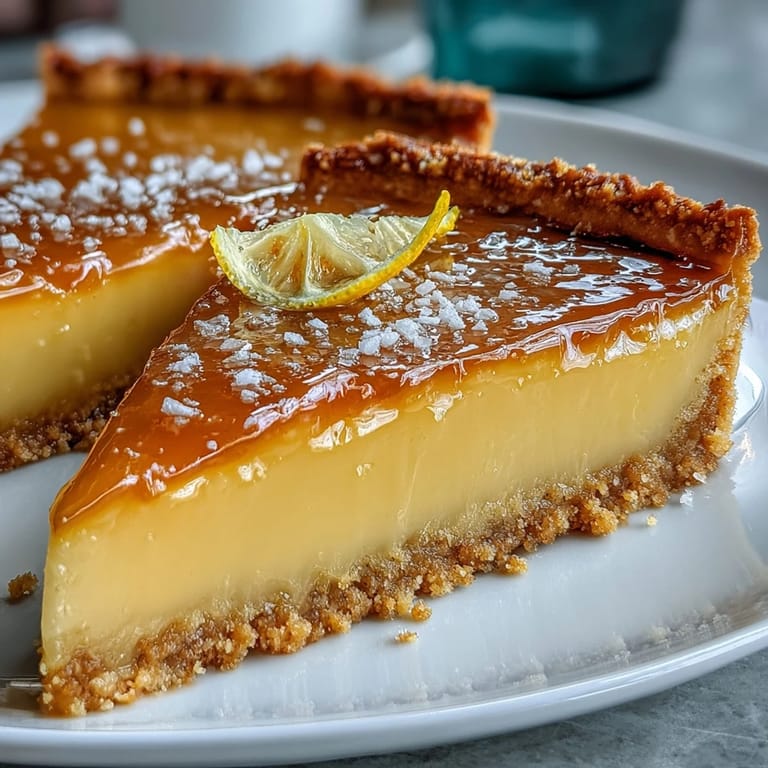
 The first time I tried making this lemon curd tart, our kitchen was bathed in a rare flash of spring sunlight, and the air smelled like fresh zest on a warm morning. Sometimes I pick recipes because I crave a moment of brightness, and this tart is pure sunshine nestled in a golden crust. As I pressed the dough into the tin, my cat chased a fallen mint leaf across the counter, and I remember laughing at how baking always brings chaos and calm in the same breath. Decorating the tart with edible flowers just as the light shifted through the window made the whole process feel like a celebration, not a chore. Each step brought a cheerful mess, fingerprints in flour and zest under my fingernails, reminders of how hands-on baking should be.
I once brought this to a picnic after a rainy week, and we all huddled close around the tart, brushing off petals as we served each slice. There was nothing formal about it, just shared forks, sticky fingers, and lemony laughter echoing through the park—proof that beautiful food is best when it's a little imperfect and enjoyed with friends.
Ingredients
- All-purpose flour: Using a good-quality flour keeps the shell crisp—don't skip chilling the dough, it makes all the difference for those flaky crumbs.
- Unsalted butter: Cold, cubed butter gives the crust that bakery-style snap; I tap a little extra on the pan to ease the dough in without tearing.
- Powdered sugar: This melts right into the dough, lending subtle sweetness without the grit of granulated sugar.
- Egg yolk: The yolk-rich dough turns the shell golden; if any escapes while separating, a touch of extra flour makes it forgiving.
- Cold water: Add it gradually; the dough should just hold together, not turn sticky.
- Salt: A pinch sharpens up all the flavors and pops against the lemon filling.
- Large eggs: Fresh eggs help the curd set into that dreamy, spoonable texture.
- Granulated sugar: With tart lemons, it creates a bright bite—taste as you go, every batch of lemons is different.
- Lemon zest: Microplaning zest directly onto the sugar releases all the beautiful oils—try not to skip this step.
- Fresh lemon juice: Bottled juice can’t match the sunny flavor of freshly squeezed—strain out the seeds for a silky finish.
- Unsalted butter (for curd): Adding cold cubes off-heat makes the curd glossy and luscious without splitting.
- Edible flowers: I buy them at the farmers’ market—always double-check they’re safe and pesticide-free.
- Fresh mint (optional): Mint leaves add a cooling contrast; I tear them just before serving so the aroma stays vibrant.
Tired of Takeout? 🥡
Get 10 meals you can make faster than delivery arrives. Seriously.
One email. No spam. Unsubscribe anytime.
Instructions
- Make the tart shell dough:
- Pulse flour, powdered sugar, and salt in a food processor until combined; the swish of blades is oddly soothing. Add cold butter and pulse in quick bursts until the mixture looks like coarse, sandy crumbs. Drizzle in egg yolk and cold water a spoonful at a time, stopping when the dough can be pressed together easily but isn’t sticky. Gather the dough, shape into a disk, wrap tightly, and chill for at least 30 minutes—it needs this rest for flakiness.
- Blind bake for crispness:
- Roll out the chilled dough and lay it gently in a 9-inch tart pan, pressing it up the sides. Trim the excess, chill again, then prick the base with a fork to prevent puffing. Line with parchment and weigh down with beans or pie weights—no shortcuts here. Bake at 350°F until lightly golden and the kitchen smells wonderfully toasty. Remove the weights and bake a few minutes longer for a golden, crisp shell; cool it completely before filling.
- Whip up the lemon curd:
- In a saucepan, combine eggs, sugar, lemon zest, and juice—whisk steadily so nothing scrambles. As it heats, the smell of lemons rises and the mixture thickens until it coats your spoon, about 8 minutes—don’t rush or let it boil. Off the heat, whisk in cubed butter until satiny and smooth. Strain through a sieve to catch any curdled bits or zest clumps; let cool to room temperature so it’s thick but pourable.
- Fill and chill:
- Pour the cooled lemon curd into the baked tart shell and smooth out the top; don’t worry if your swirl isn’t perfect. Let it chill for at least one hour to set up for that clean slice later on.
- Decorate like a florist:
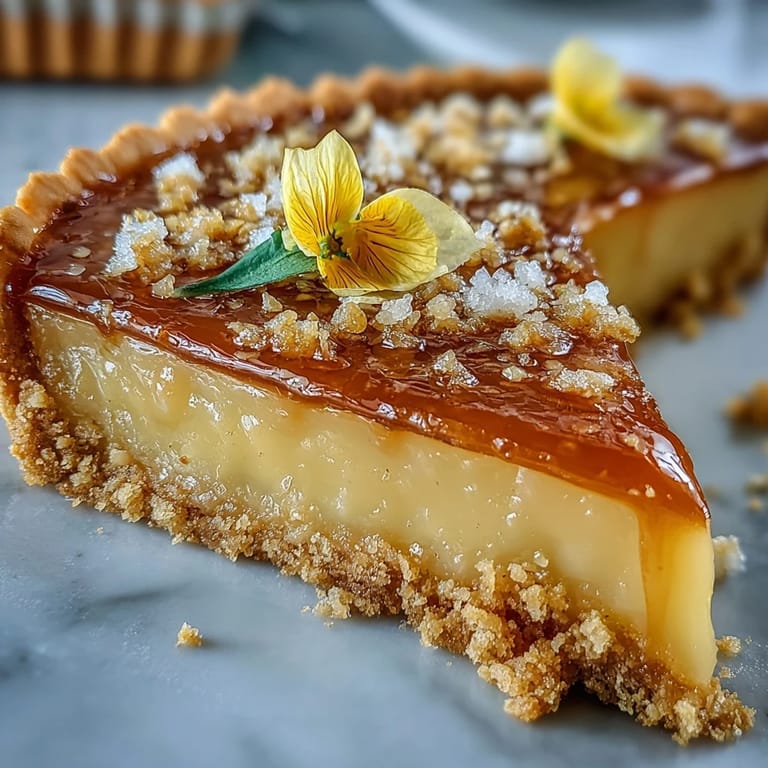
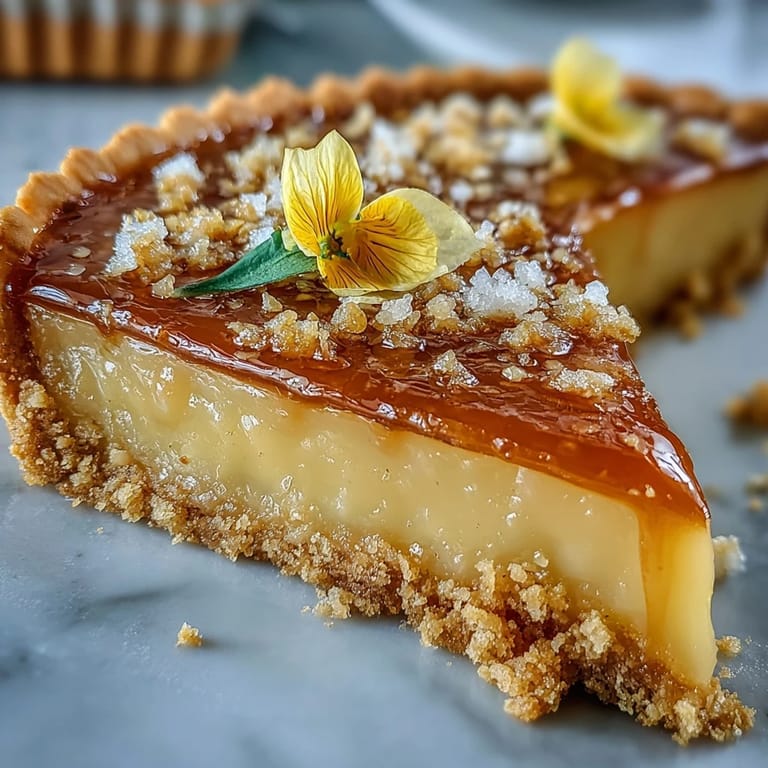
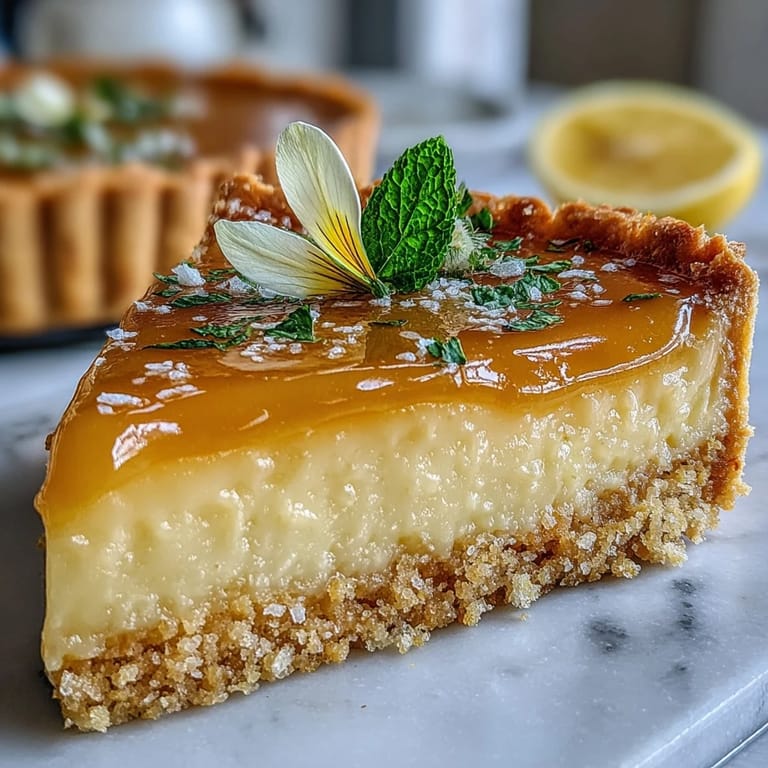
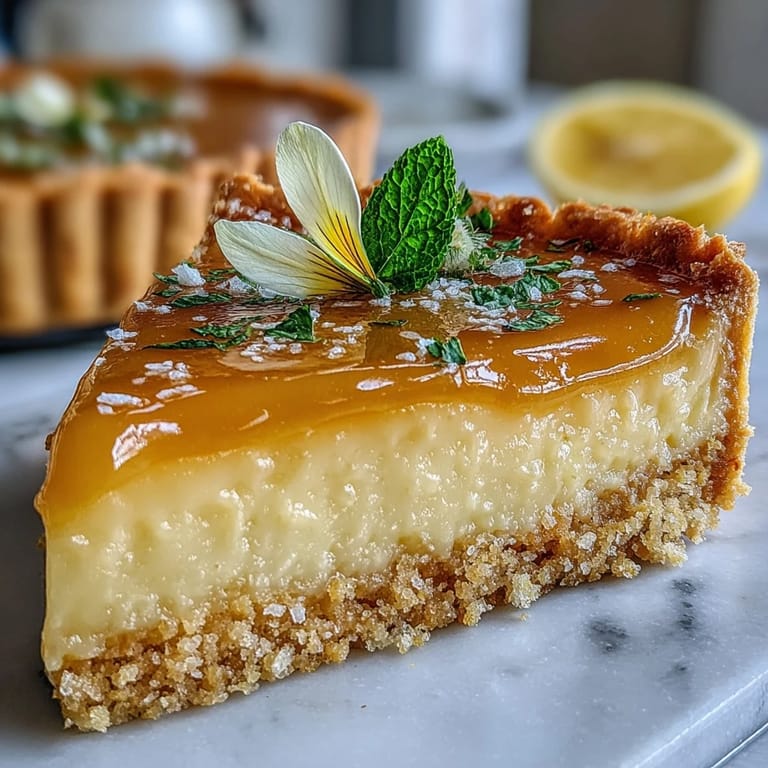
- Just before serving, scatter with edible flowers—nestle a pansy here, a violet there, and finish with fresh mint leaves if you like. Slice carefully and enjoy the tart with someone who’ll appreciate the effort and the fleeting beauty of spring.
 Save to Pinterest
  Save to Pinterest
 One quiet afternoon, I found myself making this tart for a friend who showed up unexpectedly; we sat cross-legged on the kitchen floor, polishing off slices and talking about everything except food. That moment turned a simple dessert into the start of a new tradition—lemon tart whenever we need an excuse to pause and connect.
Choosing and Using Edible Flowers
The flowers really make the tart look special, but I always check that every bloom is labeled edible and free of sprays—my local farmers’ market vendors know their stuff. If you’re picking from your own garden, go early in the morning when petals are freshest, and always give them a gentle rinse to remove any lingering garden guests.
What to Do with Extra Lemon Curd
Sometimes I make a double batch of lemon curd, just so there’s some left for smearing on scones, swirling into yogurt, or sneaking by the spoonful. It keeps well in the fridge for a few days, and honestly, it turns even an ordinary piece of toast into something lovely.
Making It Ahead for Gatherings
If you’re entertaining, bake the tart shell and make the curd a day ahead—just store the shell (unfilled) at room temperature and the curd in the fridge. On the day, fill, chill, and decorate just before guests arrive, and you’ll look effortlessly organized.
- Transport the tart in its pan for easy carrying.
- Add flowers and mint after arriving so they stay crisp.
- Bring a sharp, thin knife for beautiful slices.
 Save to Pinterest
  Save to Pinterest
 Baking this lemon tart has become my low-key way to summon spring, even when skies are grey. May every slice bring a bit of brightness to your own table, whatever the season.
Common Recipe Questions
- → How do I prevent the lemon curd from scrambling?
Cook the curd over medium-low heat, whisking constantly and avoiding a boil. Remove from the heat as soon as it thickens and coats the back of a spoon, then strain through a fine sieve for an extra-smooth texture.
- → What is the best method for blind-baking the tart shell?
Chill the shaped dough before baking, line the shell with parchment, fill with pie weights or dried beans, bake until edges set, remove weights and continue until golden. Cooling completely helps avoid a soggy base.
- → Can the lemon curd be made ahead?
Yes. Lemon curd can be cooked one day ahead and refrigerated in an airtight container. Bring to room temperature or chill the filled shell until set before serving.
- → How can I make a gluten-free shell?
Substitute a trusted gluten-free flour blend with a binding agent like xanthan gum if needed. Keep the dough well chilled and handle gently; bake times are similar but watch for color rather than exact timing.
- → What’s the best way to store leftovers?
Cover the tart and refrigerate for up to 3 days. Add edible flowers and fresh mint just before serving to preserve appearance and texture.
- → Are edible flowers safe to use?
Use culinary-grade flowers labeled for consumption, grown without pesticides. Rinse gently, pat dry, and place on the tart just before serving to keep them fresh.