 Save to Pinterest
 There's something about the smell of lemon zest hitting a warm mixing bowl that makes you feel like you're about to create something special. My mum's kitchen always smelled this way on spring mornings, though I didn't fully appreciate it until I was older and realized how deliberate that citrus brightness was—her way of turning an ordinary Wednesday into something worth remembering. This cake became my love letter back to her, a way of saying thank you through butter, sugar, and the kind of zest that makes your hands smell golden for hours afterward.
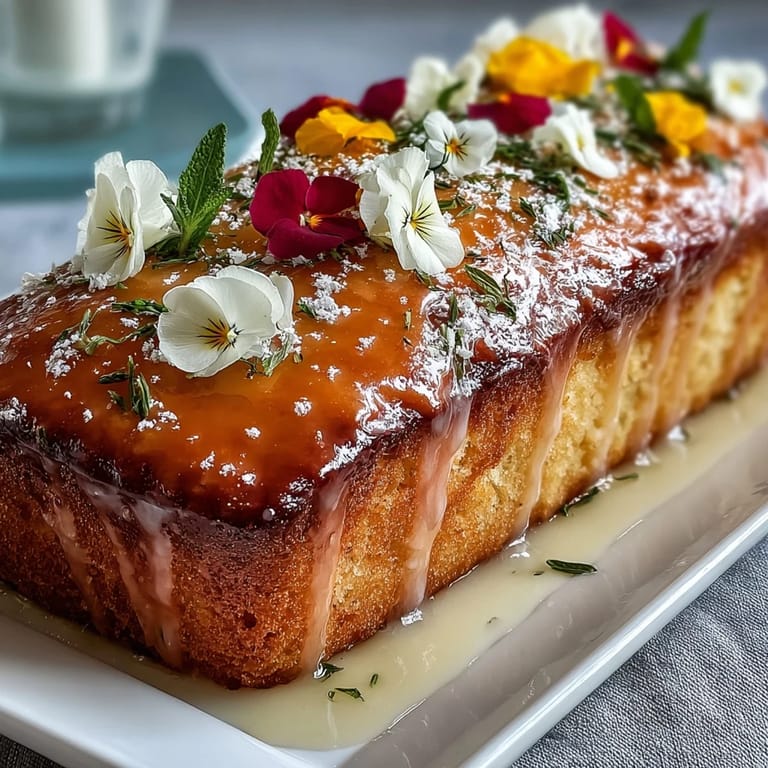
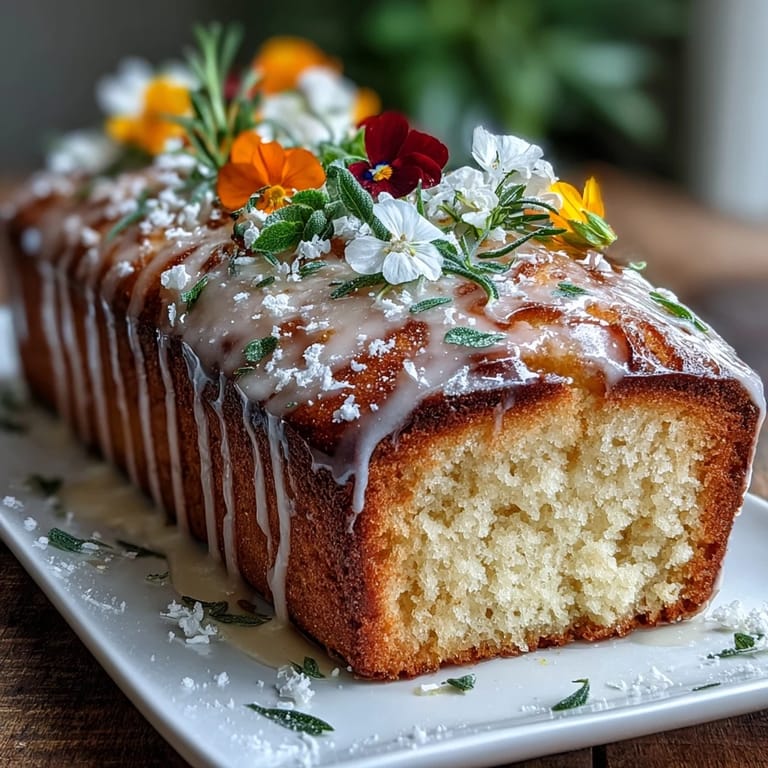
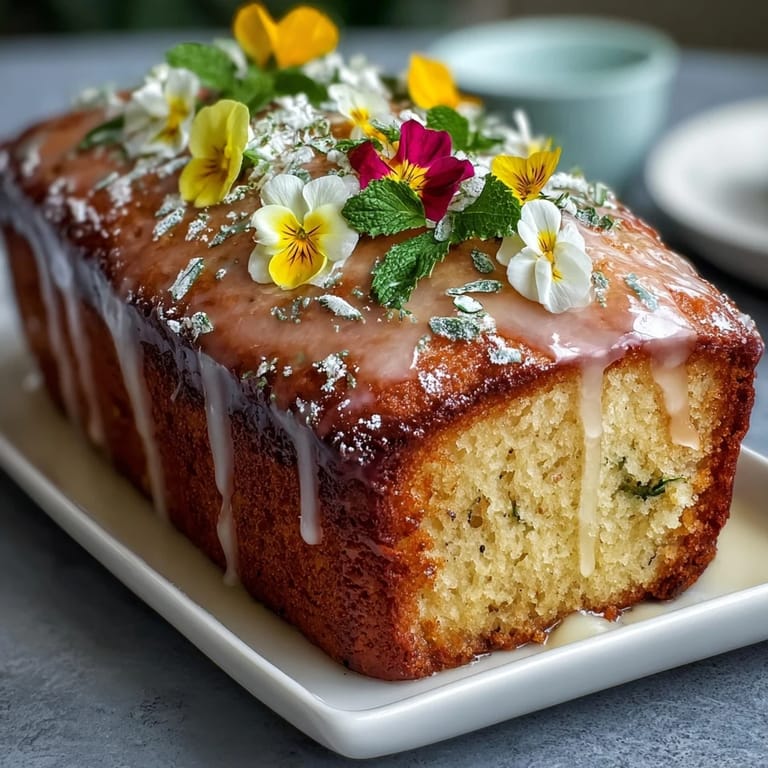
I made this for my mum's birthday last May, and honestly, the moment she walked into the kitchen and saw it sitting there with those delicate violas scattered across the top, her whole face changed. She didn't even eat a slice first—she just pulled out her phone to photograph it, which meant everything to me because she's not usually someone who documents things. We sat together with tea and ate it slowly, and she told me it tasted exactly how she remembered lemon cakes tasting as a child, which made the whole thing worth every minute.
Ingredients
- Unsalted butter, 225g, softened: This is your foundation, so let it sit out for a good 30 minutes before starting—cold butter won't cream properly and you'll end up with a denser cake than you want.
- Caster sugar, 225g: The fine grains dissolve more evenly than granulated, which means a lighter, more tender crumb.
- Large eggs, 4: Room temperature is non-negotiable here, as they incorporate more smoothly and create better lift.
- Self-raising flour, 225g: This already contains the raising agents you need, so resist the urge to add extra baking powder unless you want an overly cakey result.
- Unwaxed lemon zest, from 2 lemons: Unwaxed is crucial because you're eating the skin—microplane it finely so it distributes evenly and doesn't create gritty pockets.
- Whole milk, 2 tbsp: Just enough to loosen the batter without making it too wet, which would compromise the structure.
- Salt, a pinch: This sounds tiny, but it brightens the lemon and balances the sweetness without tasting salty at all.
- Lemon juice, from 2 lemons, for the drizzle: Fresh is absolutely essential—bottled juice tastes flat and metallic by comparison.
- Icing sugar, 125g for drizzle and 2 tbsp for dusting: Sifted icing sugar dissolves cleanly into the drizzle, while unsifted clumps will never fully incorporate.
- Edible flowers, assorted: Check that they're specifically labeled edible and pesticide-free, and add them at the very last moment so they stay colorful and perky.
Tired of Takeout? 🥡
Get 10 meals you can make faster than delivery arrives. Seriously.
One email. No spam. Unsubscribe anytime.
Instructions
- Prepare your tin and preheat:
- Get your oven warming to 180°C while you grease and line a 900g loaf tin with parchment paper, smoothing it into the corners so nothing sticks later.
- Cream the butter and sugar:
- Beat them together for a full 3 to 4 minutes until the mixture looks pale, fluffy, and noticeably lighter than when you started—this is where the structure of your cake begins. You should see ribbons form when you lift the beaters.
- Add eggs one by one:
- Drop in one egg, beat until fully incorporated, then repeat with the next three, pausing between each one so the mixture can absorb properly. If it looks slightly curdled at any point, don't panic—a tablespoon of flour will bring it back together.
- Fold in the dry ingredients gently:
- Sprinkle the flour, lemon zest, salt, and milk over the wet mixture, then fold with a spatula using a sweeping motion from the bottom of the bowl upward, turning the bowl as you go. Stop the moment you can't see streaks of flour anymore—overmixing develops gluten and makes the cake tough and rubbery.
- Pour and level:
- Scrape every bit of batter into your prepared tin and use a spatula to smooth the top, which helps it bake evenly.
- Bake until golden:
- Set the timer for 40 to 45 minutes and listen for the moment the kitchen suddenly smells like caramelized lemon—that's when you'll know it's almost done. A skewer inserted into the center should come out clean or with just a few moist crumbs clinging to it.
- Make the drizzle:
- While the cake is baking, whisk the fresh lemon juice and sifted icing sugar together until perfectly smooth and pourable, which should only take a minute.
- Pierce and drizzle while warm:
- Once the cake comes out, use a skewer to poke holes all over the top—don't be timid, make plenty so the drizzle has somewhere to seep in. Slowly pour the drizzle over the still-warm cake, letting each addition soak in before adding more, which creates those pockets of tangy sweetness.
- Cool completely in the tin:
- Patience matters here—leaving it in the tin while it cools prevents it from breaking apart, and the residual heat continues to absorb that glaze.
- Decorate with flowers:
- Once completely cool, transfer to a serving platter, dust lightly with extra icing sugar if you like, and arrange the edible flowers just before serving so they stay looking fresh and lovely.
 Save to Pinterest
 The year I made this for a bridal shower, one of the guests told me it reminded her of her grandmother's kitchen from the 1950s, except lighter and more refined. That comment stuck with me because it made me realize that recipes carry memory forward, that this cake somehow bridges decades and tastes like what people wished home tasted like.
The Importance of Room Temperature Ingredients
This might sound fussy, but letting your eggs and butter sit out for 30 minutes genuinely changes how well they mix together. Cold butter won't cream smoothly, and cold eggs won't incorporate evenly, which means you end up with a cake that's denser and less fluffy than it should be. I started paying attention to this detail after making the same cake twice in a row—once with cold ingredients and once with room temperature ones—and the difference was so noticeable that I've never gone back.
Why Fresh Lemon Matters More Than You'd Think
Bottled lemon juice tastes metallic and flat compared to what you get from an actual lemon, and since this cake is entirely built around that bright, clean flavor, it deserves the real thing. Rolling your lemons on the counter before cutting them helps release more juice, and you'll usually get about 3 to 4 tablespoons from a medium lemon. The zest is equally important—unwaxed lemons are essential because you're eating the skin, and a microplane gives you the finest, most evenly distributed zest.
Timing Your Edible Flowers for Maximum Impact
Edible flowers are stunning but they'll wilt if you add them too early, so they really do need to go on at the very last moment before serving. I've learned that violas and pansies hold their color beautifully, nasturtiums bring a peppery edge that's unexpectedly delicious, and rose petals look ethereal but are purely decorative. Check your local farmers market or specialty grocery store for flowers that are specifically labeled as edible, and if you're ordering online, order them to arrive the day before you bake so they're as fresh as possible.
- Always confirm that edible flowers are pesticide-free and safe for consumption before using them.
- Handle flowers gently when placing them since they bruise easily, and arrange them just before serving.
- If you can't find edible flowers, a simple dusting of icing sugar and maybe a few candied lemon slices look equally beautiful.
 Save to Pinterest
 Making this cake has taught me that some of the most meaningful things we create in the kitchen happen when we slow down and pay attention to details like letting butter soften and lemon juice stay fresh. It's not complicated, just intentional—and that intention, I think, is what people actually taste.
Common Recipe Questions
- → How do I ensure the lemon drizzle soaks evenly?
After baking, poke small holes all over the cake using a skewer. Pour the drizzle slowly over the warm cake to allow it to absorb fully and evenly.
- → Can I use other citrus fruits instead of lemons?
Yes, oranges or limes can be substituted for a different citrus twist, but adjust the sweetness of the drizzle accordingly to balance tartness.
- → Are there tips for keeping the cake moist?
Ensure not to overmix the batter and pour the drizzle over the warm cake to lock in moisture. Baking until a skewer comes out clean prevents dryness.
- → How should edible flowers be selected and prepared?
Use pesticide-free, culinary-grade edible flowers such as violas or pansies. Rinse gently and dry them completely before decorating.
- → Is it possible to make this gluten-free?
Yes, substitute self-raising flour with a gluten-free flour blend and add 1 tsp of baking powder to replicate rising.
- → What serving suggestions enhance this cake?
Serve with whipped cream or a dollop of crème fraîche to complement the citrus flavors and add richness.