 Save to Pinterest
 The aroma of dandelion honey drifting through my kitchen always reminds me of the first spring breeze that slips in through an open window. I stumbled across these scones experimenting with wildflower honeys, but dandelion honey brings a gentle sweetness that never overwhelms. One particular morning, I cracked open a jar and suddenly felt like I'd caught the season itself in a spoon. It's the sort of recipe that turns an ordinary day golden. Baking these scones often feels like a small, fragrant celebration even on a quiet afternoon.
Last Mother's Day, the kitchen was bustling and cheerful when I baked these scones for the whole family. We laughed over the dough sticking to our fingers, sneaking tastes of clotted cream before the scones finished baking. The sunlight glanced across the counter and everyone agreed: these scones were absolutely worth the little floury mess.
Ingredients
- All-purpose flour: This forms the foundation—be sure to measure carefully for light, tender scones.
- Granulated sugar: Offers subtle sweetness and helps the scones brown.
- Baking powder: Gives lift and ensures that signature fluffy texture.
- Fine sea salt: Brightens flavors and balances the honey.
- Cold unsalted butter: The cold bits make pockets in your dough, so don't let it soften.
- Dandelion honey: The floral notes set these scones apart, but a mild honey works in a pinch.
- Whole milk: Keeps everything moist and rich, and brushing the tops before baking adds golden shine.
- Egg: Binds and enriches the dough, giving scones a tender crumb.
- Clotted cream: Pure luxury on a warm scone, though mascarpone makes a good substitute.
- Dried dandelion petals (optional): For a hint of floral magic, sprinkle them in with the dry ingredients.
Tired of Takeout? 🥡
Get 10 meals you can make faster than delivery arrives. Seriously.
One email. No spam. Unsubscribe anytime.
Instructions
- Set Up Your Oven:
- Turn your oven to 400°F (200°C) and line your baking sheet with parchment—this makes cleanup a breeze.
- Mix the Dry Ingredients:
- Whisk flour, sugar, baking powder, and salt in a big bowl, feeling the lightness as you mix.
- Add Butter:
- Drop the cold, cubed butter in and rub with your fingers until it all feels like soft, sandy crumbs.
- Whisk Wet Ingredients:
- In another bowl, blend honey, milk, and egg—watch the honey swirl and dissolve as you whisk.
- Combine Everything:
- Gently stir wet into dry, using a fork or spatula until just combined; lumps are good here, so stop before it's too smooth.
- Shape the Dough:
- Pat the dough onto a lightly floured surface, forming a 1-inch-thick round—flour on your hands keeps things tidy.
- Cut Out Scones:
- Use a 2.5-inch round cutter to make circles, then arrange them on your sheet; re-shape scraps for extra scones.
- Brush and Bake:
- Lightly brush with milk, then bake for 12–15 minutes until golden, listening for the faint crackle as they rise.
- Serve:
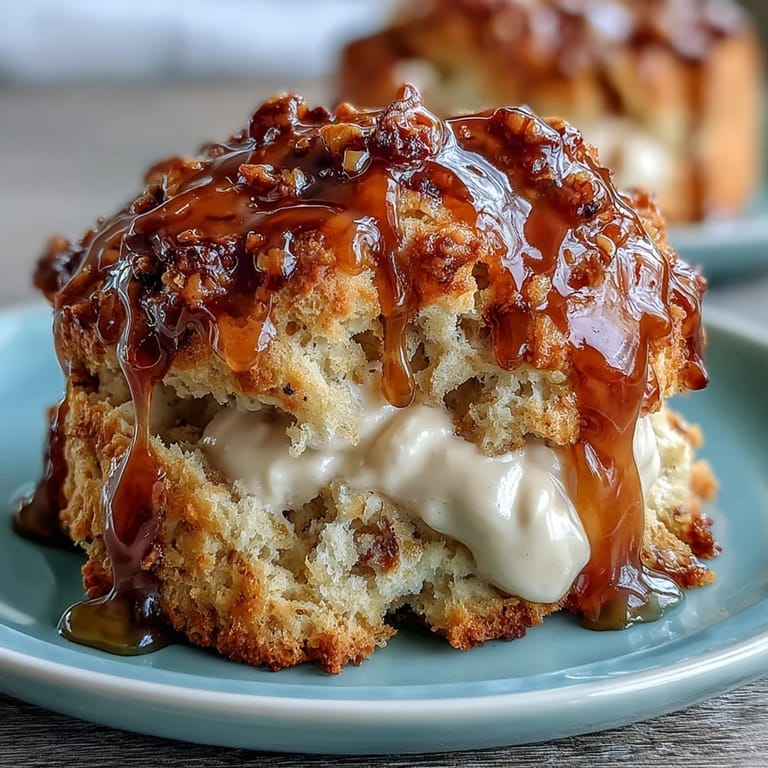
- Let cool slightly on a rack, then spoon clotted cream and drizzle honey for the finishing touch.
 Save to Pinterest
 One rainy afternoon, I made these scones for friends who dropped by unannounced—before we knew it, the kitchen was filled with laughter and everyone marvelled at the warm, honeyed scent. It felt as though the scones brought sunshine indoors, and we lingered over tea and stories much longer than expected.
Making Them Perfect Every Time
I figured out that chilling the dough before baking helps the scones hold their shape and rise beautifully. Sometimes I pop the tray in the fridge for ten minutes while the oven heats up—it's a little step that makes a big difference.
Troubleshooting Sticky Dough
Sticky dough can drive anyone crazy, but a bit of extra flour on your hands and the counter saves the day. Don't be afraid to loosen the dough gently; the less you fuss, the lighter your scones will be.
Serving Suggestions for Afternoon Tea
Nothing beats these scones freshly baked and layered with clotted cream and honey, especially alongside a pot of floral tea. For special occasions, try sprinkling edible petals or pairing with tart lemon curd for contrast.
- Serve immediately so the cream slightly melts into the warm crumb.
- Slice scones open for maximum filling space.
- Store leftovers in an airtight container and warm before serving.
 Save to Pinterest
 Scones don't last long in my kitchen—I hope these bring the same warmth and delight to your table as they have to mine. Share with friends, or keep them all for yourself!
Common Recipe Questions
- → How do I ensure my scones turn out tender?
Use cold butter and mix gently, avoiding overworking the dough for a soft crumb.
- → Can I substitute clotted cream?
Thick crème fraîche or mascarpone make excellent alternatives if clotted cream isn't available.
- → What gives these scones their floral sweetness?
Dandelion honey adds subtle floral notes; mild honey works if dandelion honey isn't on hand.
- → How should I serve these scones?
Serve warm or at room temperature, topped with clotted cream and a drizzle of honey.
- → Can I add dried dandelion petals?
Yes, mixing in a teaspoon of dried petals boosts the scones' floral aroma and visual appeal.
- → How long do these scones stay fresh?
They are best eaten fresh, but you can store them in an airtight container for up to two days.